


“`html
How to Export Products from Bali: A Step-by-Step Guide
Bali, the Island of the Gods, is not only a paradise for tourists but also a vibrant hub for unique and high-quality products. From intricate handicrafts and artisanal fashion to exotic spices and organic coffee, Balinese businesses have a global appeal. If you’re a producer or a business owner looking to tap into international markets, understanding the process of how to export products from Bali is crucial. This comprehensive guide will walk you through the essential steps, from preparing your goods to navigating customs regulations, ensuring a smooth and successful export journey for your Balinese treasures.
Understanding the Legal Framework for Exports
Before you can even think about shipping your products, it’s essential to establish a solid legal foundation for your export business. This involves understanding and complying with Indonesian export regulations set forth by various government bodies, primarily the Directorate General of Customs and Excise (DJBC) and the Ministry of Trade. For any business intending to export products from Bali, the following are key:
- Business Registration: Ensure your business is legally registered in Indonesia. This typically involves obtaining a Company Registration Certificate (TDP) or a Business Identification Number (NIB) through the Online Single Submission (OSS) system. For export activities, you might also need an Importer/Exporter Identification Number (API – Angka Pengenal Impor/Ekspor), though this is often integrated into the NIB for certain business classifications.
- Export Permit/License: Depending on the type of product you are exporting, specific permits or licenses might be required. For instance, agricultural products may need phytosanitary certificates from the Agricultural Quarantine Agency (Barantan), while certain processed foods require an export permit from the National Agency of Drug and Food Control (BPOM). Always check the specific requirements for your commodity.
- Understanding HS Codes: Every product has a Harmonized System (HS) code, an international standardized system of names and numbers to classify traded products. Correctly identifying the HS code for your products is vital for customs declarations, determining applicable duties and taxes in the destination country, and ensuring compliance. You can find these codes on the DJBC website or consult with a freight forwarder.
- Value Added Tax (VAT) Exemption: In Indonesia, the export of goods is generally subject to a 0% VAT rate. This means you do not charge VAT on exported goods, and you can claim back any input VAT incurred during the production or preparation of these goods. This is a significant incentive for exporters.
Preparing Your Products for International Shipment
The journey of your products doesn’t end at production. Proper preparation for international transit is critical to prevent damage, loss, and delays. When you export products from Bali, consider the following:
- Quality Control: Ensure your products meet the quality standards expected by your international buyers. This includes checking for defects, verifying dimensions and weight, and ensuring they align with any specific certifications or standards required by the destination country.
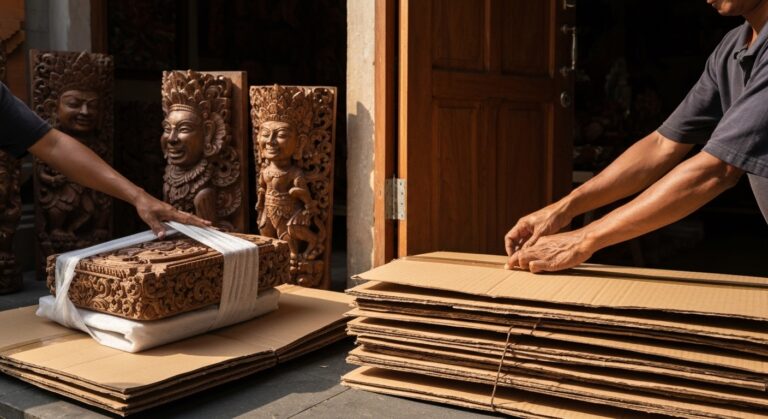
- Packaging: Robust and appropriate packaging is paramount. Consider the mode of transport (air, sea, or land), the expected handling, and the climatic conditions at the destination. Use materials that protect against moisture, impact, and pilferage. For fragile items, internal cushioning is essential.
- Labeling: All packages must be clearly and accurately labeled. This should include:
- Your company’s name and address.
- The consignee’s (buyer’s) name and address.
- Country of origin (e.g., “Made in Indonesia”).
- Gross and net weight.
- Handling instructions (e.g., “Fragile,” “This Way Up”).
- Any required hazard symbols or warnings.
- Documentation Preparation: Accurate and complete documentation is the backbone of any export transaction. This includes the commercial invoice, packing list, bill of lading (for sea freight) or air waybill (for air freight), and certificate of origin.
Essential Export Documentation and Procedures
paperwork can seem daunting, but with a clear understanding, it becomes manageable. These documents are crucial for clearing customs both in Indonesia and at the destination country when you export products from Bali.
- Commercial Invoice: This document details the transaction between the exporter and the importer. It must include:
- Invoice number and date.
- Exporter’s and importer’s full names and addresses.
- Description of goods, quantity, unit price, and total price.
- HS code for each item.
- Terms of payment and Incoterms (e.g., FOB, CIF).
- Currency of sale.
- Packing List: This document provides details about the contents of each package, including weight, dimensions, and number of items per package. It helps customs officials verify the shipment against the commercial invoice.
- Bill of Lading (B/L) or Air Waybill (AWB): These are contracts between the shipper and the carrier. The B/L serves as a receipt for the goods, a contract of carriage, and a document of title. The AWB is similar for air freight but is not a document of title.
- Certificate of Origin (COO): This document certifies the country where the goods were manufactured. It’s often required by the importing country to determine tariff rates and to comply with trade agreements. You can obtain this from the relevant Indonesian Chamber of Commerce (KADIN) or other authorized bodies.
- Export Declaration (PEB – Pemberitahuan Ekspor): This is a mandatory declaration submitted to the Indonesian Directorate General of Customs and Excise (DJBC) for all goods leaving Indonesia. It’s typically filed electronically through the CEISA system. A licensed customs clearance Bali agent can assist with this.
Working with Freight Forwarders and Shipping Agents
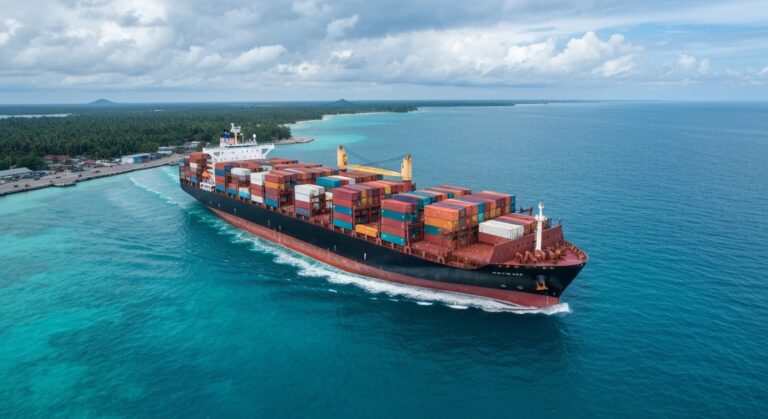
For most businesses, managing the complexities of international logistics and customs clearance is best handled by professionals. Engaging a reliable freight forwarder and a competent shipping agent is key to a successful export operation when you export products from Bali.
- What is a Freight Forwarder? A freight forwarder acts as an intermediary between you and various transportation services. They arrange for the shipment of your goods, often consolidating smaller shipments to achieve better rates. They can handle:
- Booking cargo space on ships or planes.
- Arranging for land transportation to the port or airport.
- Preparing shipping documents.
- Tracking your shipment.
- Advising on the best shipping routes and methods.
- What is a Shipping Agent? A shipping agent, often working in conjunction with a freight forwarder or directly with shipping lines, handles the operational aspects of shipping. They can facilitate port operations, cargo handling, and ensure compliance with local maritime or aviation regulations.
- Choosing the Right Partner: When selecting a freight forwarder or shipping agent, consider their experience in handling your specific type of product, their network of international agents, their pricing transparency, and their communication responsiveness. A good partner will significantly ease your burden and help you avoid costly mistakes.
Navigating Indonesian Customs Clearance for Exports
The export customs clearance process in Indonesia ensures that all goods leaving the country comply with national regulations. This is a critical step in the process to export products from Bali.
- Submission of Export Declaration (PEB): As mentioned earlier, the PEB is submitted electronically. This document contains all the details of your export shipment.
- Inspection (if required): Indonesian customs may conduct physical inspections of your goods to verify the declaration. This is often based on risk assessment or specific product categories. Having your goods correctly packed and labeled will expedite this process.
- Issuance of Export Approval: Once customs is satisfied that all regulations have been met, they will issue an export approval (often referred to as the “valid PEB” or “export permit”). This allows your goods to be loaded onto the vessel or aircraft.
- Liaising with Customs: A knowledgeable customs clearance Bali agent can liaise directly with DJBC officials, ensuring that all documentation is in order and that any queries are addressed promptly. This can save you considerable time and prevent potential issues.
- Post-Export Procedures: Depending on the nature of your export and any incentives you may be claiming (like VAT refunds), there might be post-export documentation or procedures to follow. Your customs agent can guide you through these.
Frequently Asked Questions about Exporting from Bali
Q1: What are the main challenges when exporting products from Bali?
A1: Common challenges include navigating complex customs regulations, ensuring consistent product quality, managing logistics and shipping costs, and finding reliable international buyers. Working with experienced local partners can mitigate many of these issues.
Q2: How long does it take to get an export permit in Bali?
A2: The processing time for export permits can vary depending on the type of product and the specific agency involved. For standard goods, the electronic export declaration (PEB) can be processed relatively quickly, often within a few business days. However, permits for regulated goods like food or agricultural products may take longer.
Q3: What is the role of a freight forwarder in exporting from Bali?
A3: A freight forwarder is crucial for managing the physical movement of your goods. They arrange for transportation, book cargo space, handle documentation, and often provide advice on the most efficient and cost-effective shipping methods. They are your logistics partners in getting your products from Bali to their international destination.
Q4: Are there any specific regulations for exporting handicrafts from Bali?
A4: While handicrafts generally have fewer regulatory hurdles than food or agricultural products, it’s still important to ensure accurate product descriptions and HS codes. Some items, especially those made from protected materials or with cultural significance, might have specific export restrictions or require special permits. Consulting with a local expert or shipping agent is advisable.
world of international trade can be complex, but by understanding the process of how to export products from Bali, preparing diligently, and partnering with the right professionals, you can successfully bring your unique Balinese creations to a global audience. Remember to stay updated on any changes in regulations and always prioritize accuracy and compliance. For expert assistance with your Bali customs clearance, import tax inquiries, or to find a reliable freight forwarder or shipping agent, please contact us.