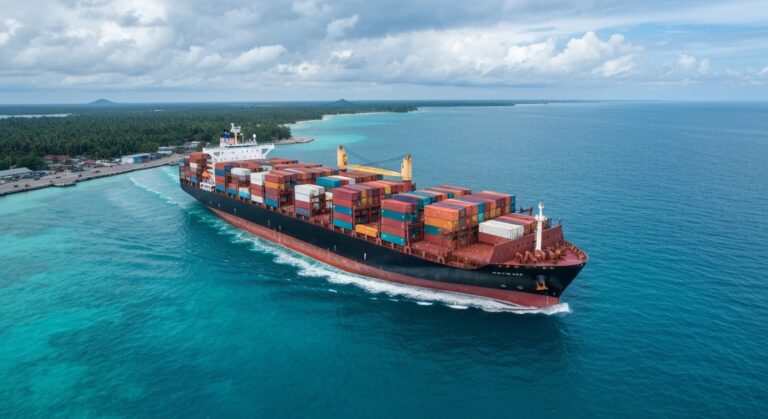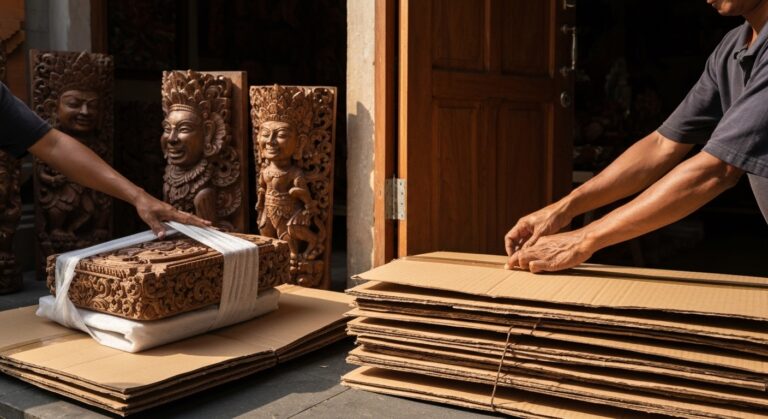

Strategic customs consulting in Bali for businesses: HS code classification, permit planning, cost forecasting, and long-term compliance support.
15+
Years Experience
5,000+
Shipments Cleared
98%
On-Time Rate
24/7
Support Available
Overview
Consulting engagements typically address questions that go beyond a single shipment: how should our product line be classified consistently, what permits will recurring imports of this category require, how should we budget for duty and tax across a full year, and what documentation gaps are creating repeated delays. This differs from transactional clearance, which focuses on getting one shipment through the process.
 Licensed PPJK
What We Handle
We start by reviewing your current product lines, shipment history if available, and any recurring issues you've experienced — delays, unexpected duty amounts, or permit gaps.
We start by reviewing your current product lines, shipment history if available, and any recurring issues you've experienced — delays, unexpected duty amounts, or permit gaps.
Each product category is matched to its most defensible HS code, and we identify which categories require permits from technical agencies such as BPOM, quarantine authorities, or industry-specific bodies.
We help structure a repeatable documentation checklist your team or broker can apply consistently across future shipments, reducing the need to rebuild the process from scratch each time.
For businesses that want continued guidance, periodic check-ins help ensure the framework stays current as regulations or your product mix evolve.
Every stage of this process is grounded in current, verifiable customs guidance rather than assumptions — where regulations are genuinely case-by-case or subject to officer discretion, we say so rather than presenting a false sense of certainty.

Misclassified HS codes create compounding exposure — the same error repeated across dozens of shipments can mean consistent overpayment, consistent underpayment (which carries compliance risk), or repeated flags for manual inspection. Our HS code consultation service reviews product classifications against current customs guidance before they become a recurring pattern in your shipment history.
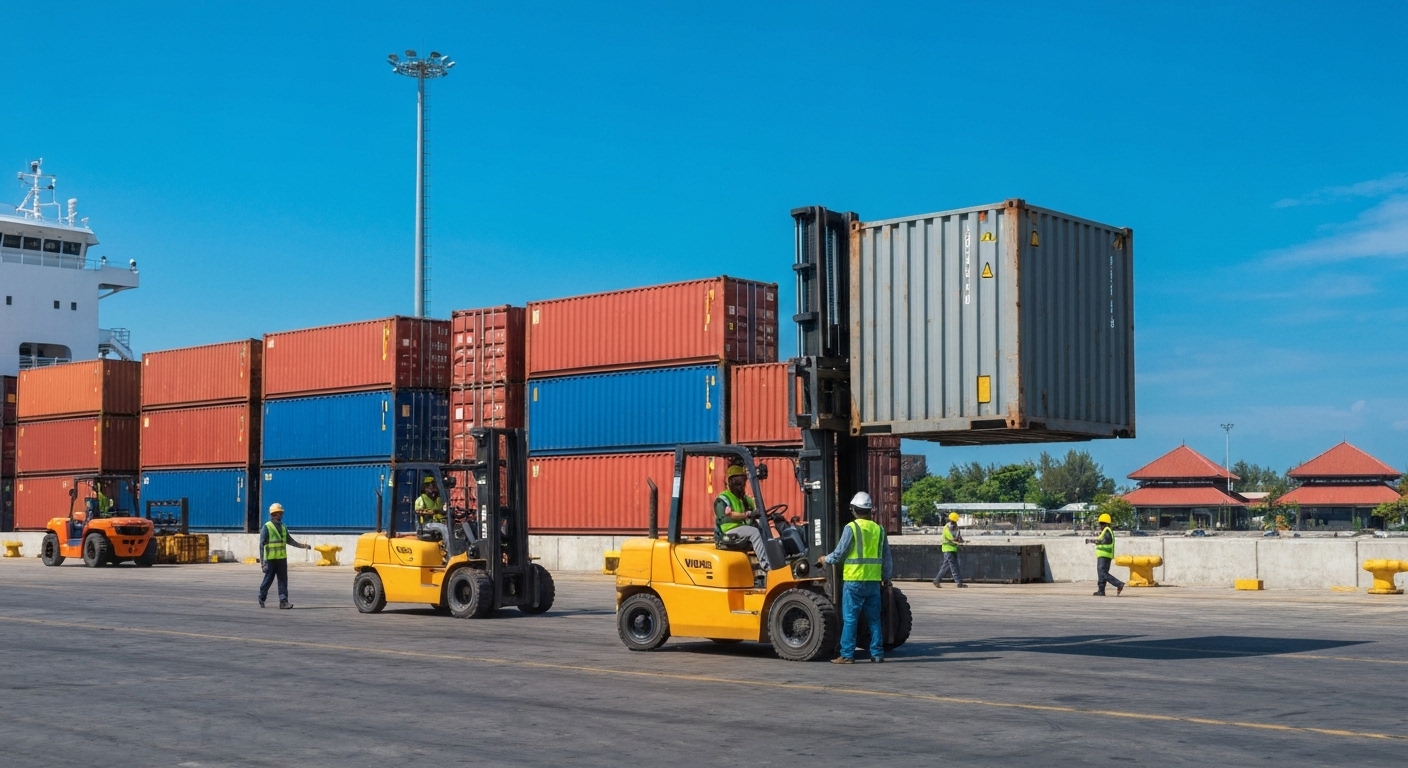
Some product lines require permits from technical agencies beyond standard customs clearance — food and beverage items, certain electronics, pharmaceuticals, or agricultural products, for example. Understanding which permits apply to your specific product line, and how long they take to obtain, is core to consulting work. See our overview of restricted and controlled goods for the general framework, though specific requirements are always confirmed against your product's actual classification.
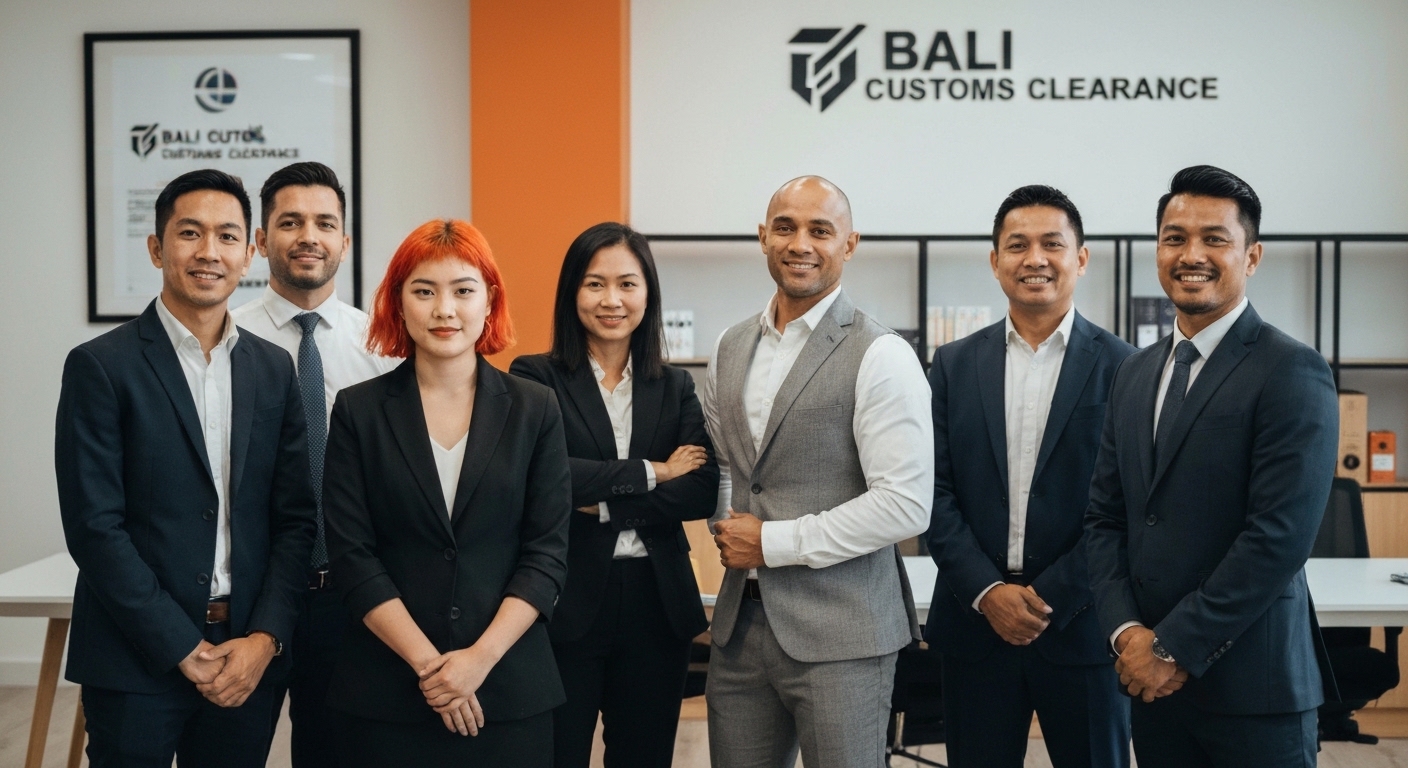
Yes — for businesses that need an import license (Angka Pengenal Importir/API) or specific product permits to operate legally, consulting includes mapping which licenses apply to your business model and product mix. Explore import permits and licensing for more detail on this process.

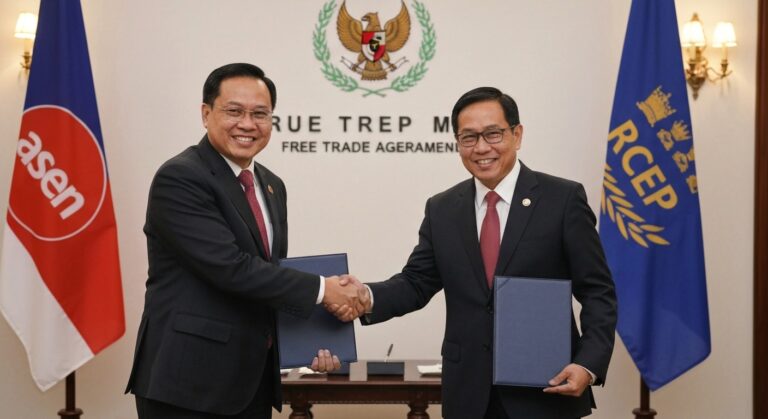
For businesses importing from countries with which Indonesia has trade agreements, certain products may qualify for reduced duty rates — but this depends on verified certificates of origin and specific product criteria, checked shipment by shipment rather than assumed automatically. Learn more at free trade agreement guidance.
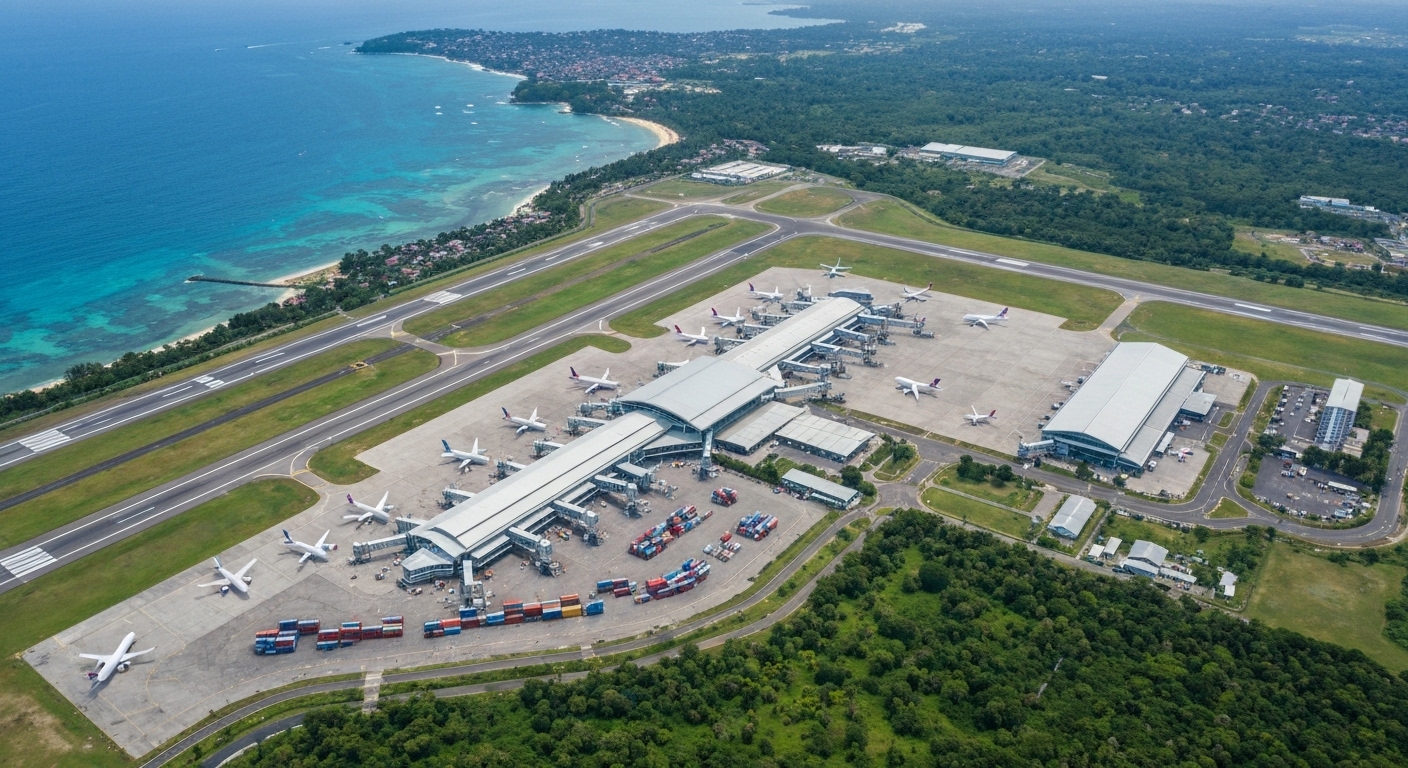
A per-shipment broker relationship resets with every transaction, while a consulting relationship builds a documented framework your team (and any broker you use) can apply consistently. Many businesses use both: a consultant for strategy and classification, and clearance support for execution — which is why this service pairs naturally with our broader customs consultation offering.
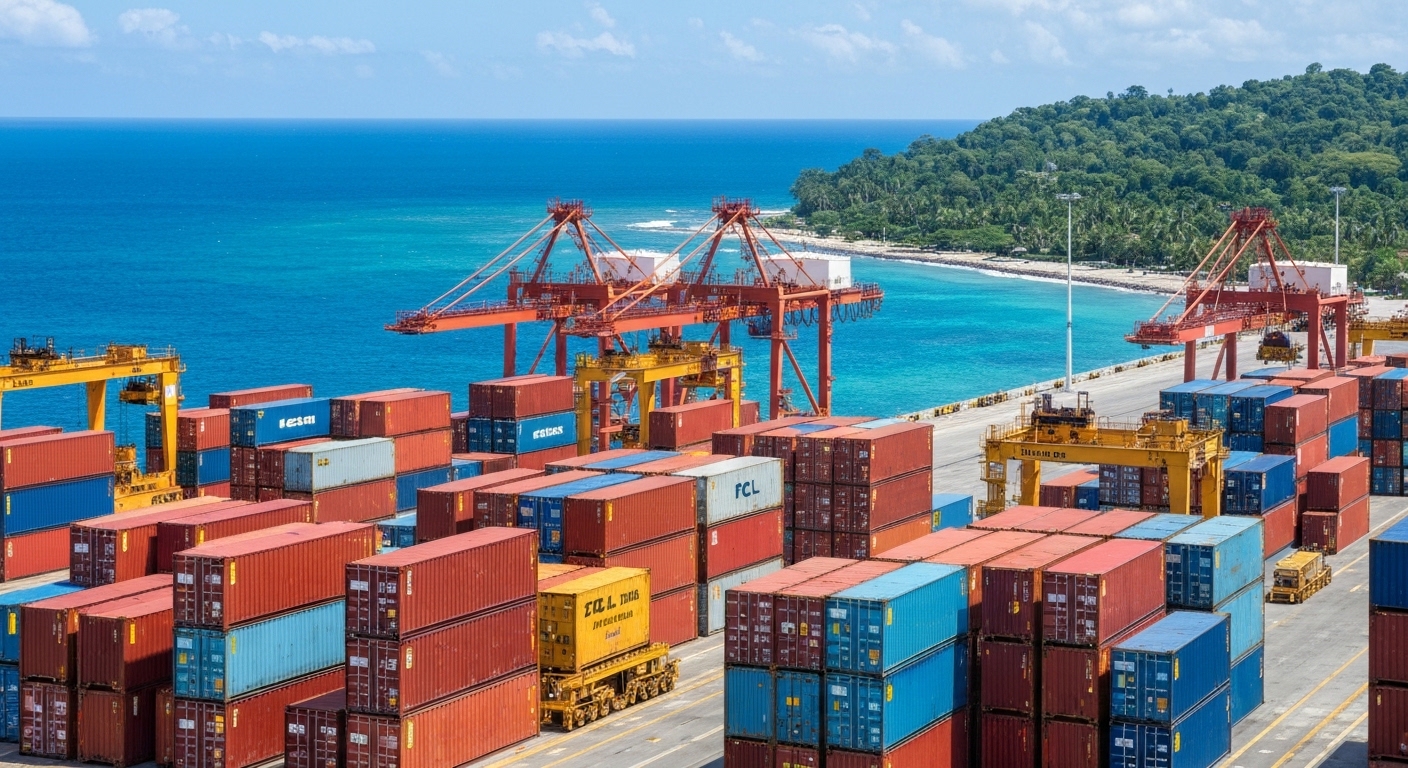
Businesses evaluating customs consulting services should be cautious of anyone who guarantees specific outcomes — a fixed duty rate regardless of shipment specifics, guaranteed clearance timelines, or promises to "handle" restricted categories without proper permits. Credible consulting is characterized by transparency about what is genuinely case-by-case, clear documentation of the reasoning behind classification decisions, and honesty when a question requires direct verification with customs authorities rather than a confident-sounding guess.
Our Workflow
We read the invoice, packing list and specification sheet and tell you exactly which regulations the goods fall under.
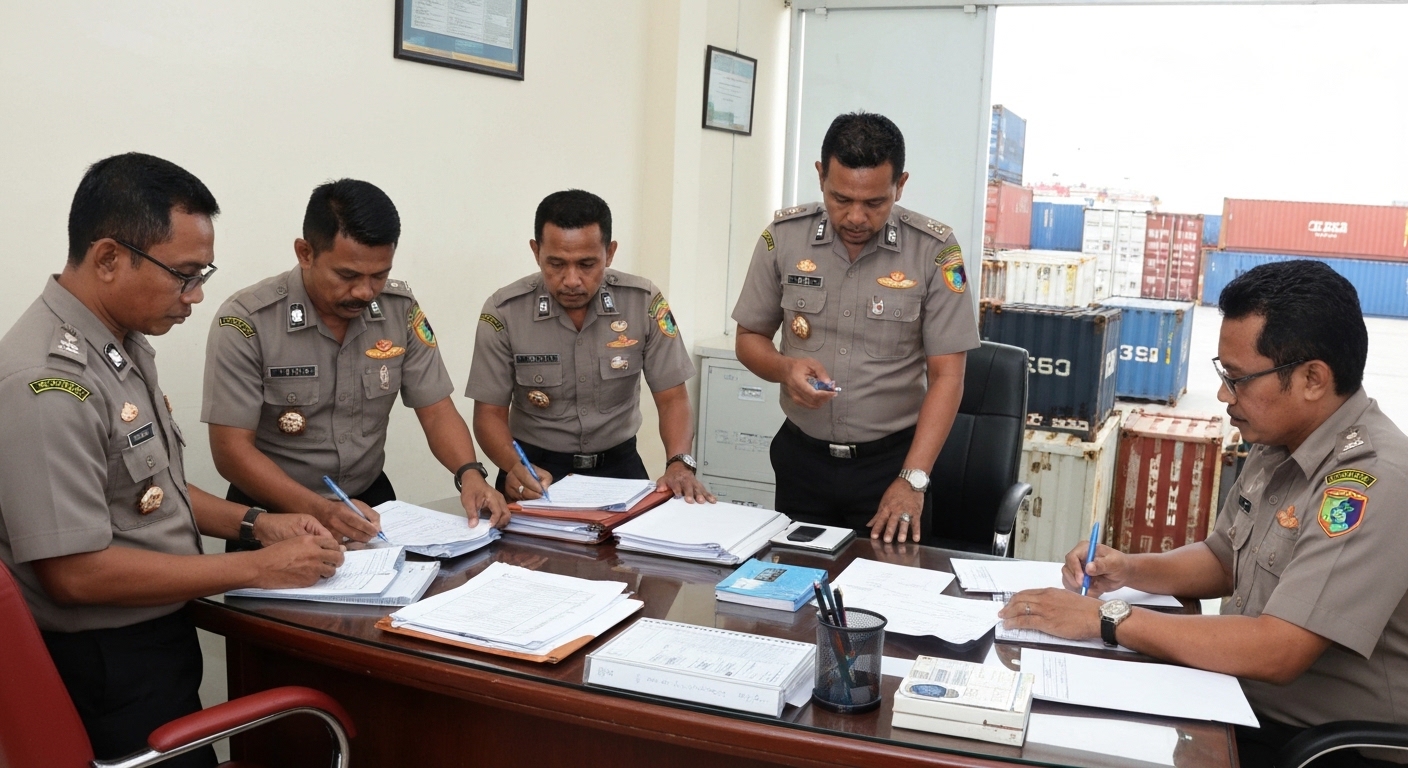
HS code confirmed, duty rate, VAT and PPh 22 calculated, and any LARTAS permit requirement flagged in writing.
Applications lodged with the relevant agency — BPOM, Ministry of Trade, Agriculture or Karantina — before the cargo arrives.
Declaration submitted through CEISA, duties settled, and the consignment released and delivered to your address in Bali.
On the Ground

Common Questions
No — small and mid-sized businesses entering a new product category or facing repeated clearance delays often benefit most, since a single classification error can have a disproportionate impact on a smaller shipment volume relative to a large importer that can absorb occasional inefficiency.
Both models are used depending on the client's needs. A project-based engagement suits a one-time classification review or market-entry assessment, while an ongoing relationship suits businesses with continuous import activity that benefits from periodic check-ins as regulations or product lines evolve.
No consultant can guarantee a duty rate, since final assessment rests with customs authorities at the time of each shipment. What consulting can provide is a well-supported classification rationale and documentation that reduces the likelihood of disputes or reclassification.
Yes — consulting frequently supplements an in-house team by providing external classification review, regulatory updates, and specialized knowledge of restricted-goods categories that may fall outside a general logistics team's day-to-day focus.
Get in Touch
Whether you're entering the Bali market or refining an existing supply chain, our team can review your current setup and outline where classification, permits, or documentation processes could be strengthened. Reach us via WhatsApp at +62 811-3941-4563 or email [email protected].
Handled by BD Juara Holding Group