
15+
Years Experience
5,000+
Shipments Cleared
98%
On-Time Rate
24/7
Support Available
Overview
Bringing top-tier kitchen equipment and Furniture, Fixtures, and Equipment (FF&E) to Bali's thriving hospitality sector requires seamless logistics and expert handling. If you're planning a restaurant equipment import Bali, whether for a new venture or an exciting renovation, Bali Customs Clearance is your trusted partner. We specialize in complexities of Indonesian customs regulations, ensuring your vital restaurant supplies arrive efficiently and without unnecessary delays. From commercial ovens and refrigerators to stylish dining furniture and decor, we manage the entire import process, allowing you to focus on creating unforgettable dining experiences for your patrons.
 Licensed PPJK
Quick Answer
Quick Answer: Importing restaurant equipment to Bali involves navigating Indonesian customs regulations, including duties, taxes, and necessary permits. Bali Customs Clearance simplifies this process by acting as your expert broker, handling all documentation and compliance to ensure smooth entry of your kitchen and FF&E items.
What We Handle
restaurant equipment import Bali, partnering with the right customs broker is paramount. Bali Customs Clearance offers expertise and dedication:
In Indonesia, import duties for restaurant equipment can vary significantly, generally ranging from 5% to 40% of the CIF (Cost, Insurance, Freight) value. Additionally, an 11% VAT is applied. Specific rates depend on the Harmonized System (HS) code classification of the imported item. We can provide a detailed assessment based on your specific equipment.
Depending on the type of equipment, certain import permits or approvals may be required from relevant Indonesian ministries or agencies, such as the Ministry of Trade or Ministry of Health. We will advise you on any specific licensing needs for your particular import and assist in the application process.
The customs clearance process can vary. With all documentation in order and no complications, clearance can often be completed within a few business days. However, factors like inspection requirements, customs workload, and the complexity of the goods can influence the timeline. Our aim is to expedite the process as much as legally possible.
For all your restaurant equipment import Bali needs, trust Bali Customs Clearance. We are your dedicated customs clearance Bali specialists, ready to ensure your kitchen and FF&E arrive smoothly. Contact us today to discuss your import requirements and receive a personalized quote.
Restaurant equipment import Bali refers to the process of bringing all necessary components for a food and beverage establishment into Bali, Indonesia. This encompasses a wide range of items, including but not limited to: commercial kitchen appliances (ovens, grills, fryers, refrigerators, freezers, mixers), cooking utensils, dishwashing equipment, ventilation systems, dining ware, cutlery, glassware, furniture (tables, chairs, bar stools), lighting fixtures, decorative elements, and other FF&E essential for the operation and ambiance of a restaurant, café, bar, or hotel. The Directorate General of Customs and Excise (DJBC) in Indonesia oversees the regulations governing these imports, ensuring compliance with national standards and revenue collection.
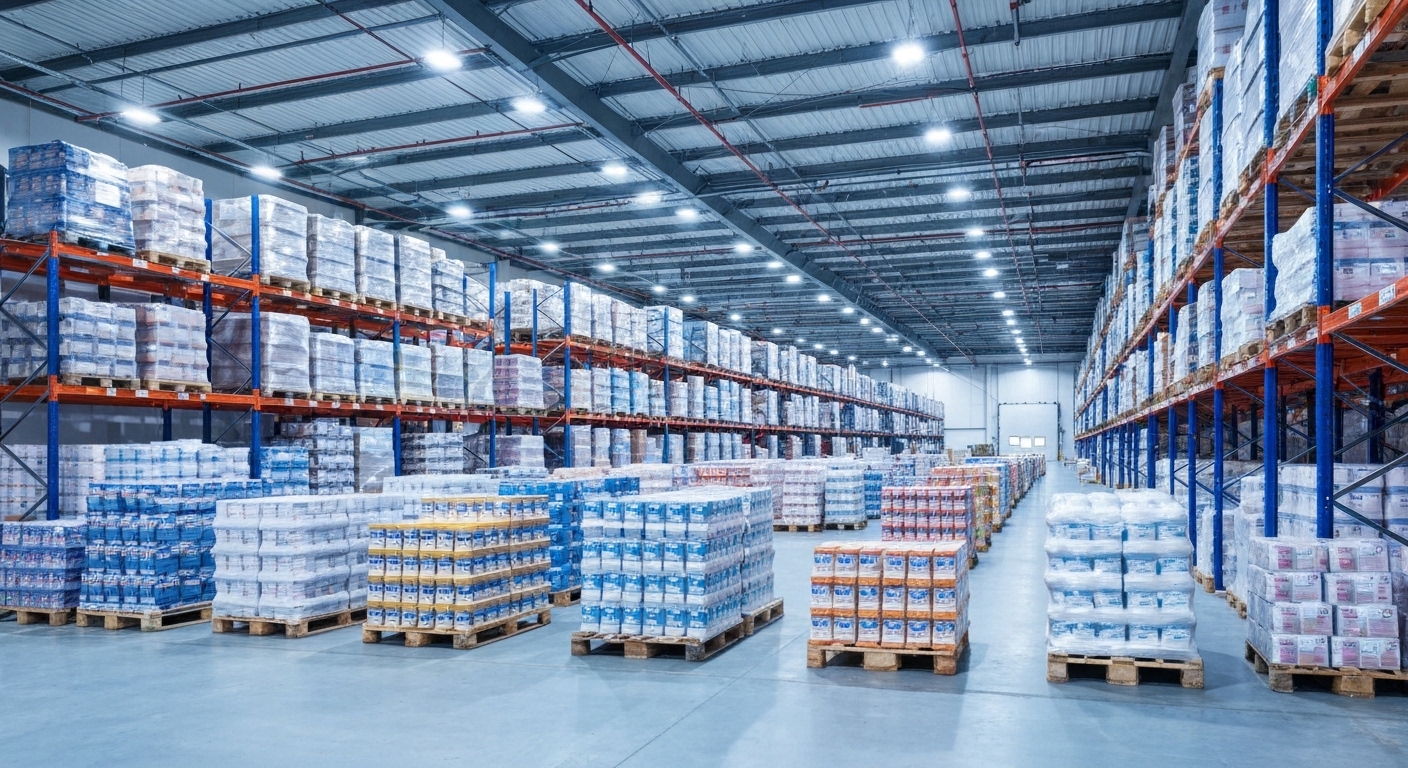
import process for your restaurant equipment in Bali can seem daunting, but we break it down into three manageable steps:
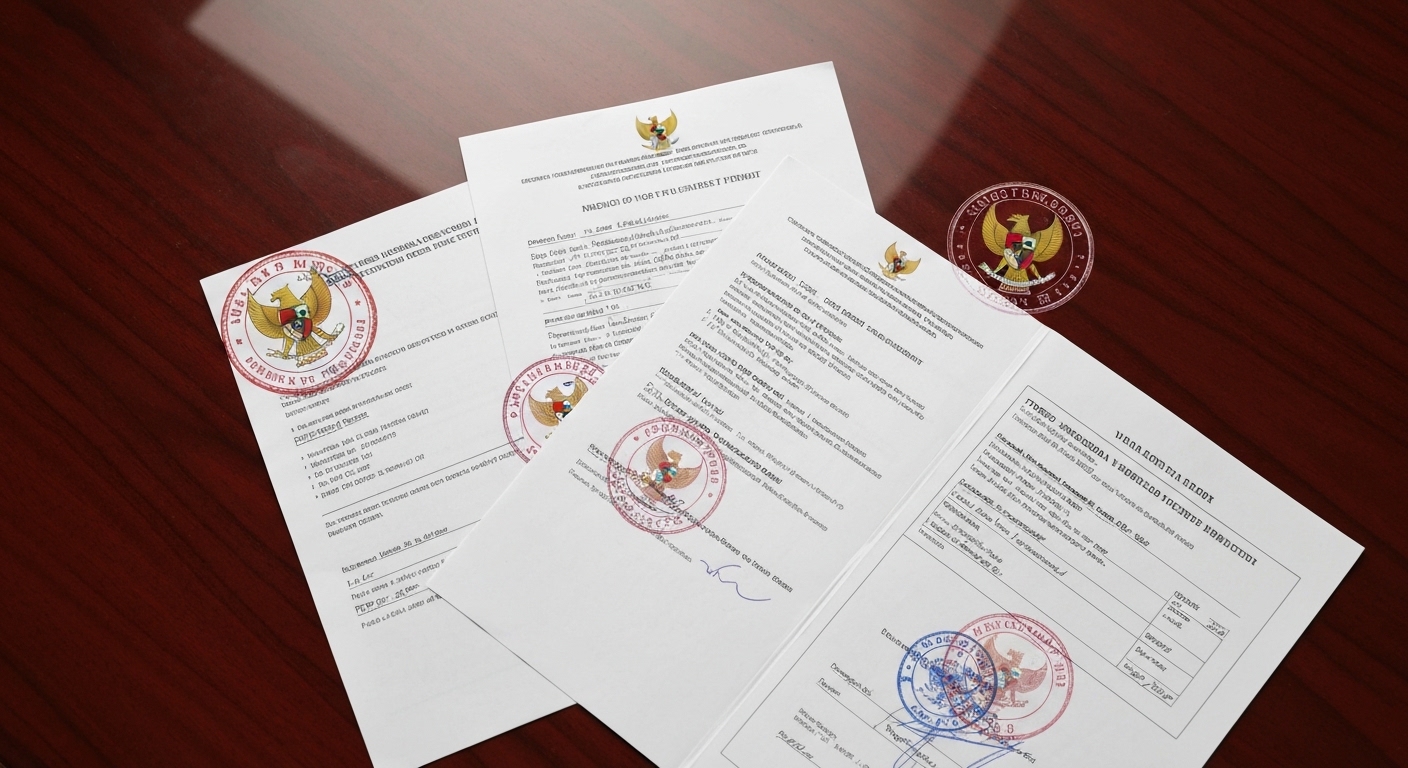
Successfully importing restaurant equipment to Bali hinges on having the correct documentation in order. While specific requirements can vary based on the nature of the goods and their origin, the following are typically essential:
Our expertise as a freight forwarder Bali and shipping agent Bali ensures we guide you through the intricacies of obtaining and submitting these vital documents, minimizing the risk of delays.
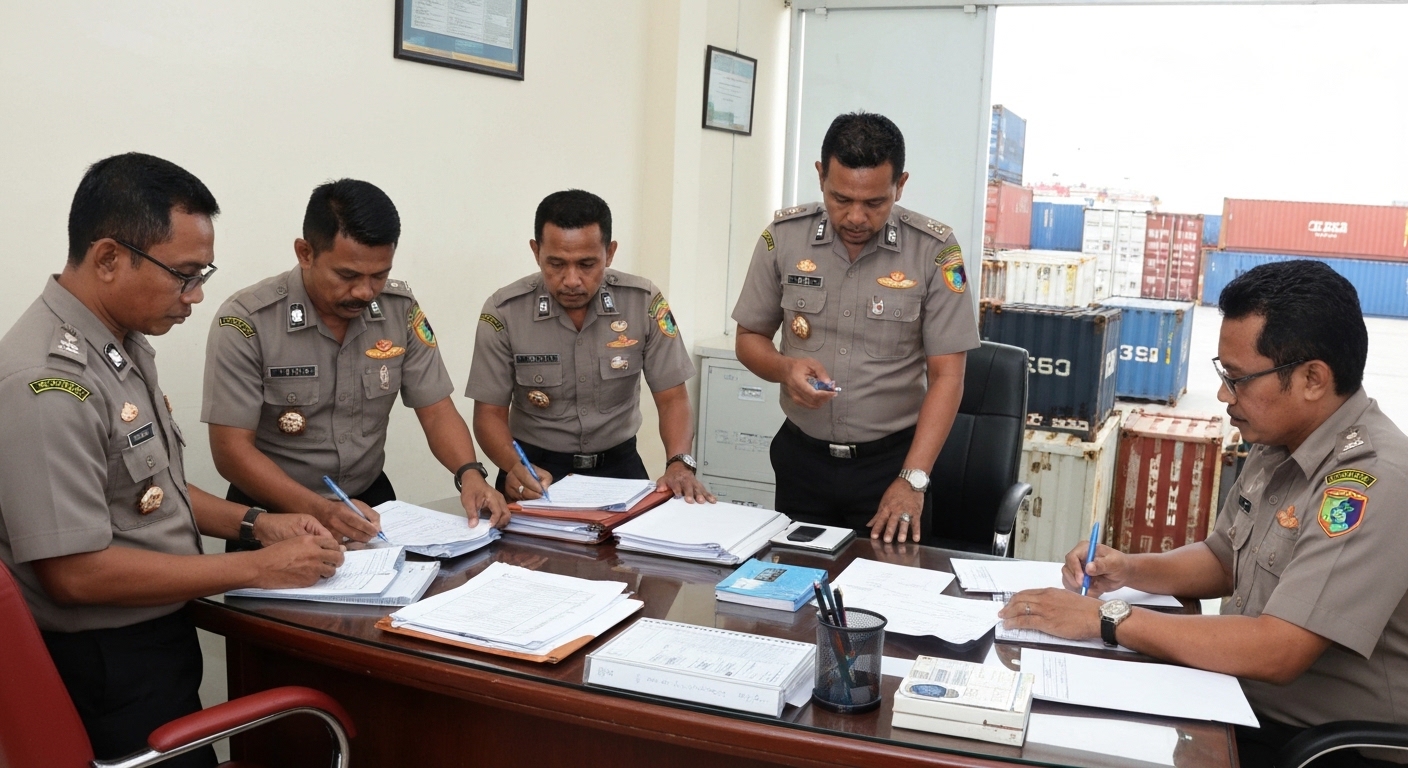
Our Workflow
Send us the invoice, packing list and bill of lading. We confirm the HS code, estimate landed cost and flag any permit needed before the cargo sails.
Import licence, LARTAS permits and supporting certificates prepared and lodged, so nothing stalls the consignment on arrival.
PIB filed through CEISA, channel assignment monitored, and import duty, VAT and PPh 22 settled on your behalf.
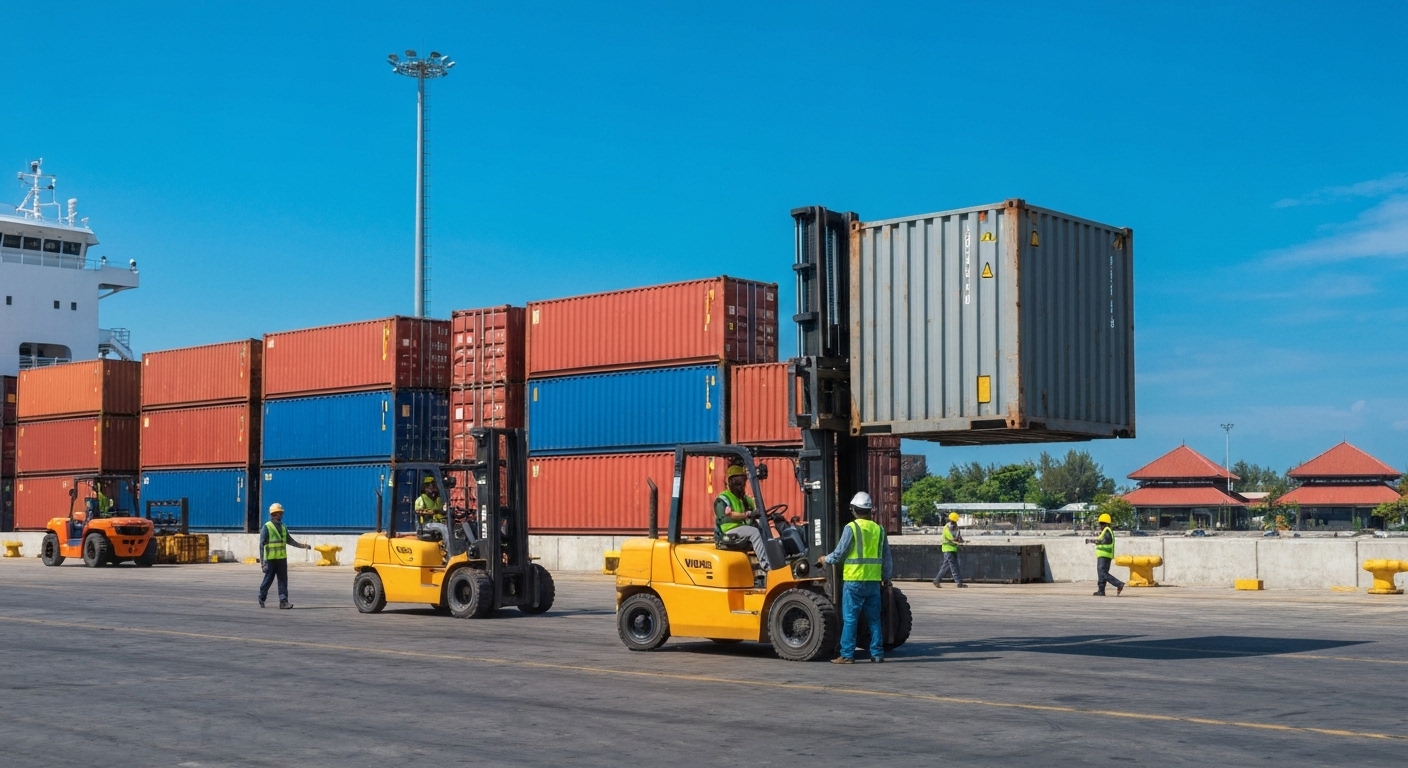
Cargo released from the terminal and delivered to your address anywhere in Bali, with the full document set handed back to you.
On the Ground

Keep Reading
Get in Touch
Send your documents and we will come back with the realistic route, timeline and landed cost — reviewed by a licensed PPJK broker, not an estimate bot.
Handled by BD Juara Holding Group