15+
Years Experience
5,000+
Shipments Cleared
98%
On-Time Rate
24/7
Support Available
Overview
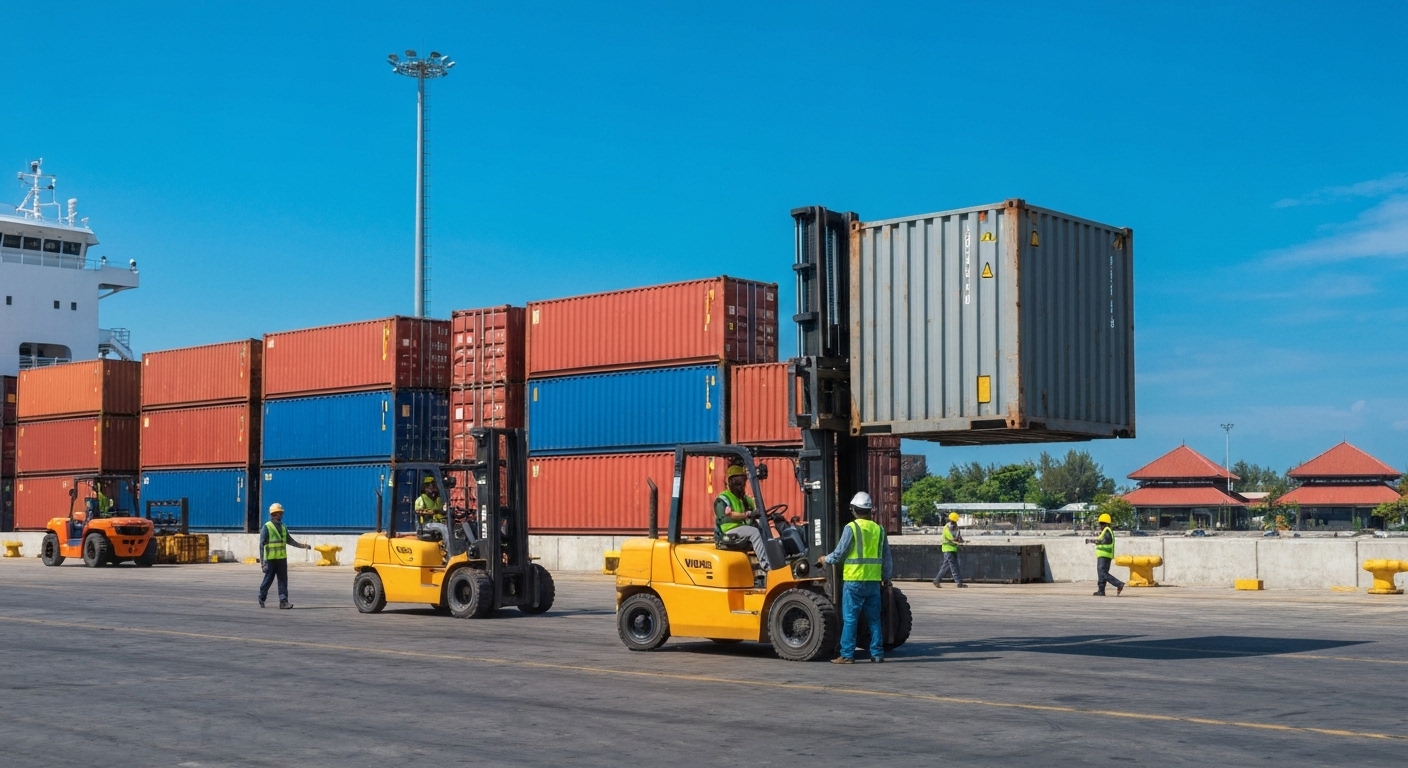
Bali Customs Clearance provides full-service commercial import solutions for businesses operating in Bali and across Indonesia. From raw materials and manufacturing equipment to retail goods and hospitality supplies, our licensed PPJK customs brokers manage every aspect of commercial importation. We handle PIB declarations, duty optimization, LARTAS compliance, and coordination with all relevant government agencies to ensure your commercial cargo clears customs efficiently and at the lowest legitimate cost.
 Licensed PPJK
Quick Answer
Commercial import in Bali involves the importation of goods for business purposes including raw materials, finished products, equipment, and supplies. Commercial importers must hold a valid NIB (Nomor Induk Berusaha) and API (Angka Pengenal Importir) – either API-U for general trading or API-P for producer imports. All commercial imports require PIB customs declarations through CEISA, with duties calculated based on HS code classification, transaction value, and applicable trade agreements.
What We Handle
Raw materials, components, and production equipment for manufacturing operations in Bali. We optimize duty treatment through KITE facilities, bonded zones, and free trade agreement utilization for cost-effective supply chains.
Raw materials, components, and production equipment for manufacturing operations in Bali. We optimize duty treatment through KITE facilities, bonded zones, and free trade agreement utilization for cost-effective supply chains.
Consumer goods, retail inventory, and distribution stock imported for sale in Bali’s growing market. We manage SNI certification, BPOM approvals, and halal certification for regulated consumer products.
FF&E (Furniture, Fixtures & Equipment), operating supplies, food and beverage imports for Bali’s hotels, resorts, restaurants, and villa developments. Specialized handling for luxury goods and perishables.
Commercial importing to Bali starts with our pre-shipment advisory service. We review your product specifications, verify HS code classifications, calculate total landed costs including all duties and taxes, and identify any LARTAS requirements. This upfront analysis prevents costly surprises and ensures all permits are in place before your goods ship from the origin country.
Our PPJK-licensed brokers submit PIB declarations electronically and monitor clearance progress in real-time. We maintain direct communication with customs officers at Ngurah Rai and Benoa Port to resolve any queries quickly. For clients with regular import volumes, we establish standard operating procedures that streamline recurring shipments and reduce clearance times.
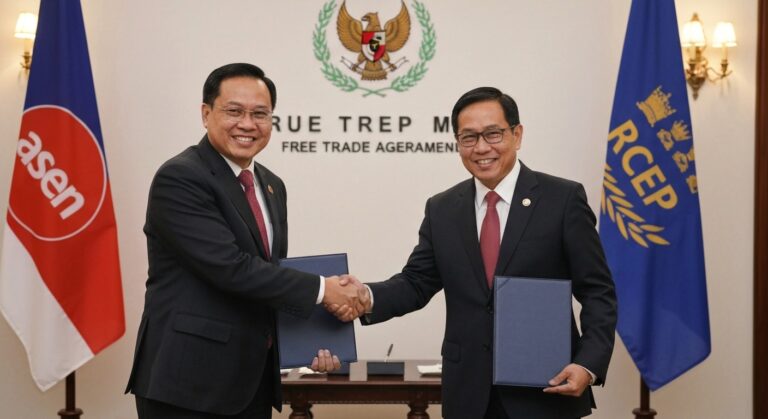
We also provide duty optimization consulting to minimize your import costs legally. This includes utilizing preferential tariff rates under Indonesia’s free trade agreements (ASEAN, AANZFTA, CEPA), applying for KITE duty exemption facilities for export-oriented manufacturers, and structuring imports through bonded zones when applicable. Our goal is to reduce your total landed cost while maintaining full regulatory compliance.
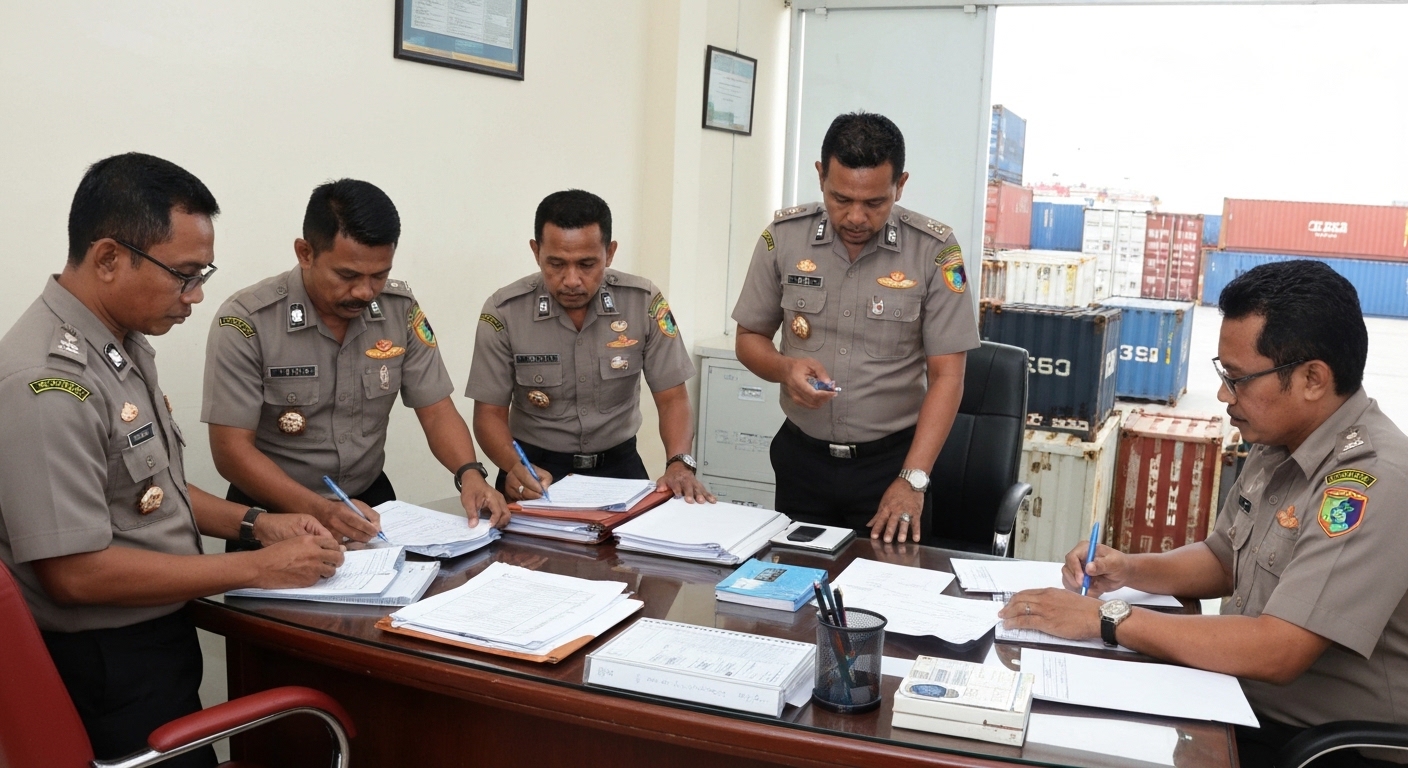
Our specialists are ready to help. Contact us for a free consultation and competitive quote.
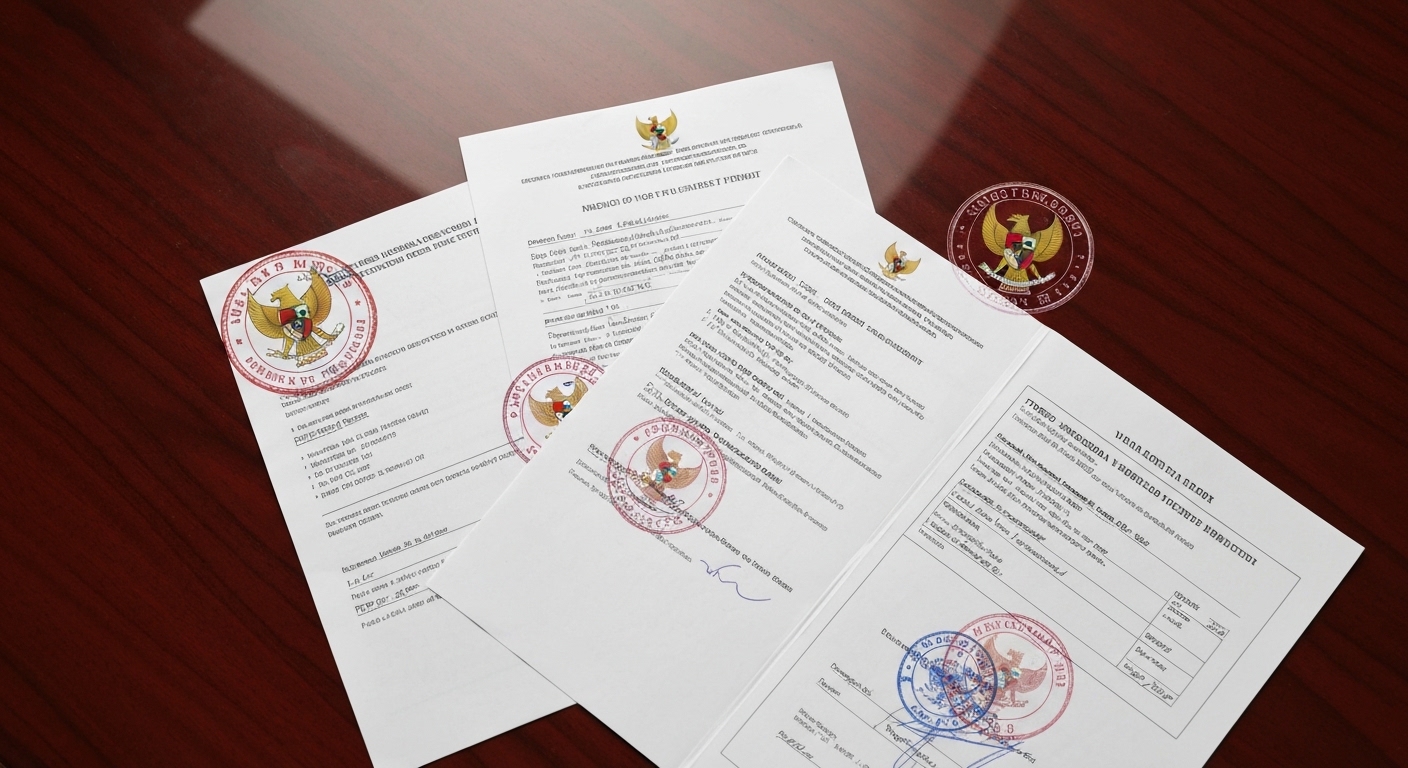
Indonesia’s customs regulations are among the most complex in Southeast Asia, with over 10,000 tariff classifications under the Harmonized System (HS) code framework. Without expert guidance, businesses frequently encounter costly delays, incorrect duty assessments, and compliance violations that can result in penalties ranging from administrative fines to criminal prosecution. Our customs consultation service provides the strategic intelligence needed to navigate this regulatory landscape with confidence and precision.
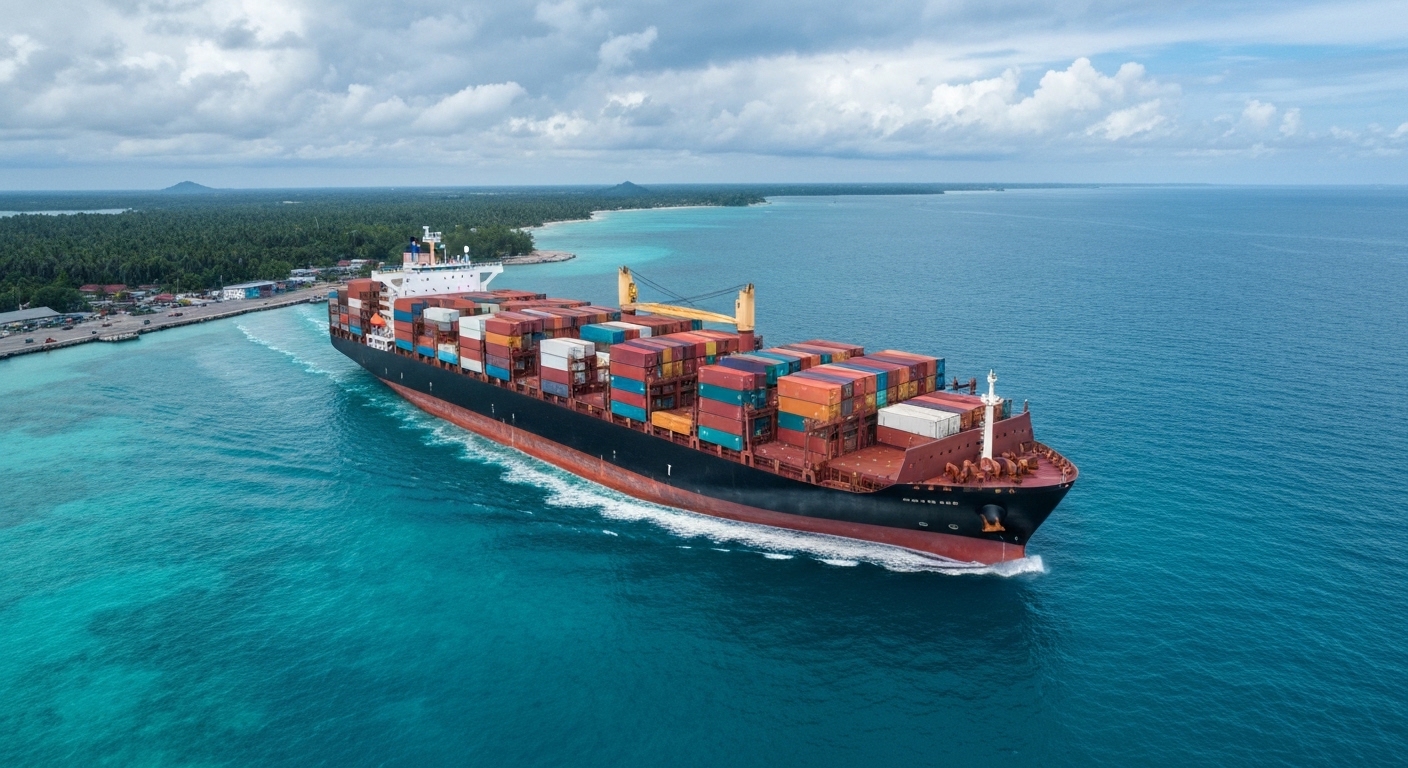
Every engagement begins with a comprehensive assessment of your current trade operations, including import/export volumes, product classifications, origin determinations, and existing compliance frameworks. Our senior consultants — each with 15+ years of experience with Indonesian Directorate General of Customs and Excise (DGCE) — analyze your specific situation to identify risk areas and optimization opportunities. We then develop a tailored compliance roadmap that addresses immediate concerns while building long-term regulatory resilience.

Correct HS code classification is the foundation of customs compliance. A single digit error can mean the difference between 0% and 40% import duty. Our team conducts thorough product analysis, reviews technical specifications, and cross-references with Indonesian customs rulings to ensure accurate classification. We also identify legitimate duty reduction opportunities through free trade agreements (AFTA, RCEP, IACEPA), bonded zone facilities, and special customs facilities available to qualifying businesses in Bali and across Indonesia.
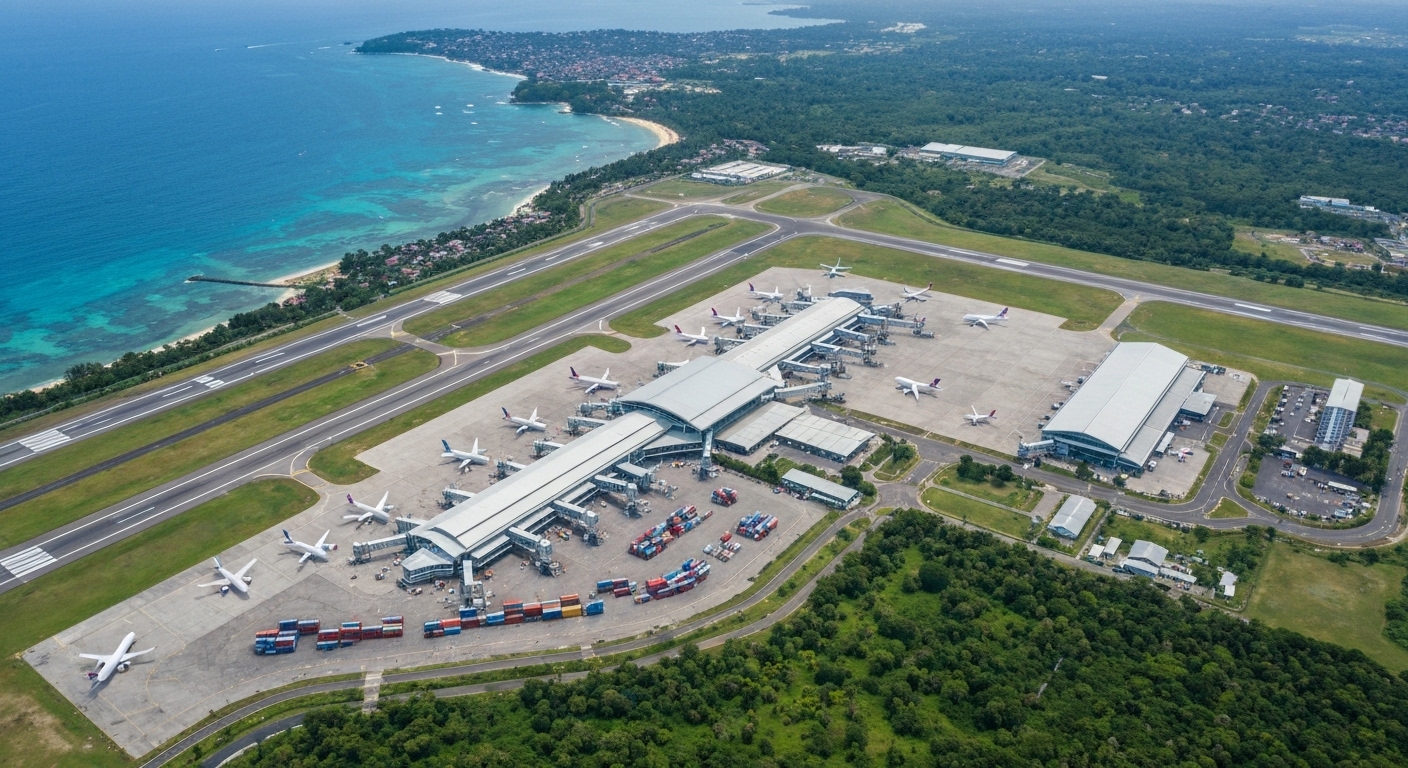
Different industries face unique customs challenges in Bali and Indonesia. Our consultation team maintains deep sector expertise across tourism and hospitality equipment importation, food and beverage product compliance, pharmaceutical and medical device regulations, construction materials and heavy equipment permits, and technology and electronics import requirements. Each sector has specific licensing requirements, restricted goods lists, and documentation standards that demand specialized knowledge. Whether you are importing restaurant equipment for a new Bali venue, medical supplies for a healthcare facility, or IT infrastructure for a data center, our consultants provide sector-specific guidance that prevents costly mistakes and accelerates your customs clearance timeline.
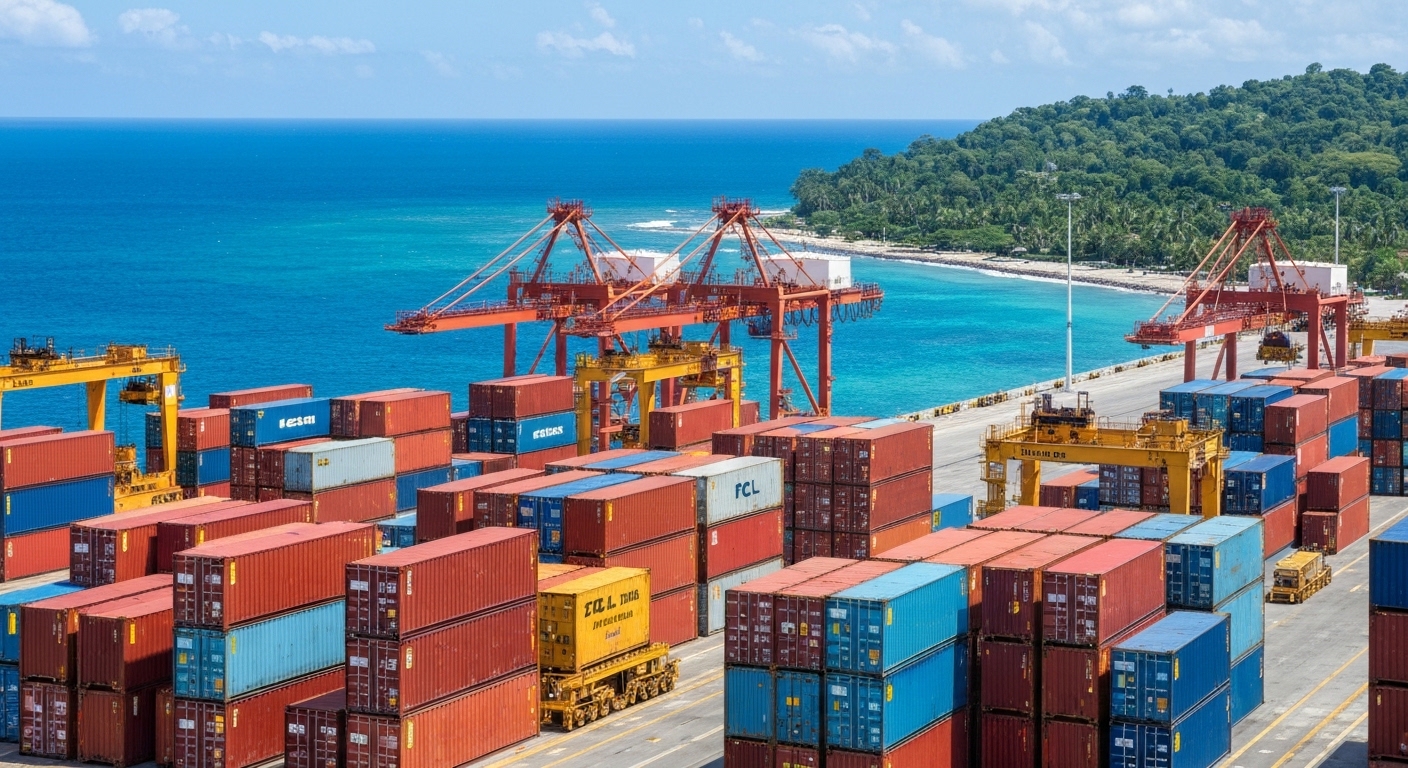
Our Workflow
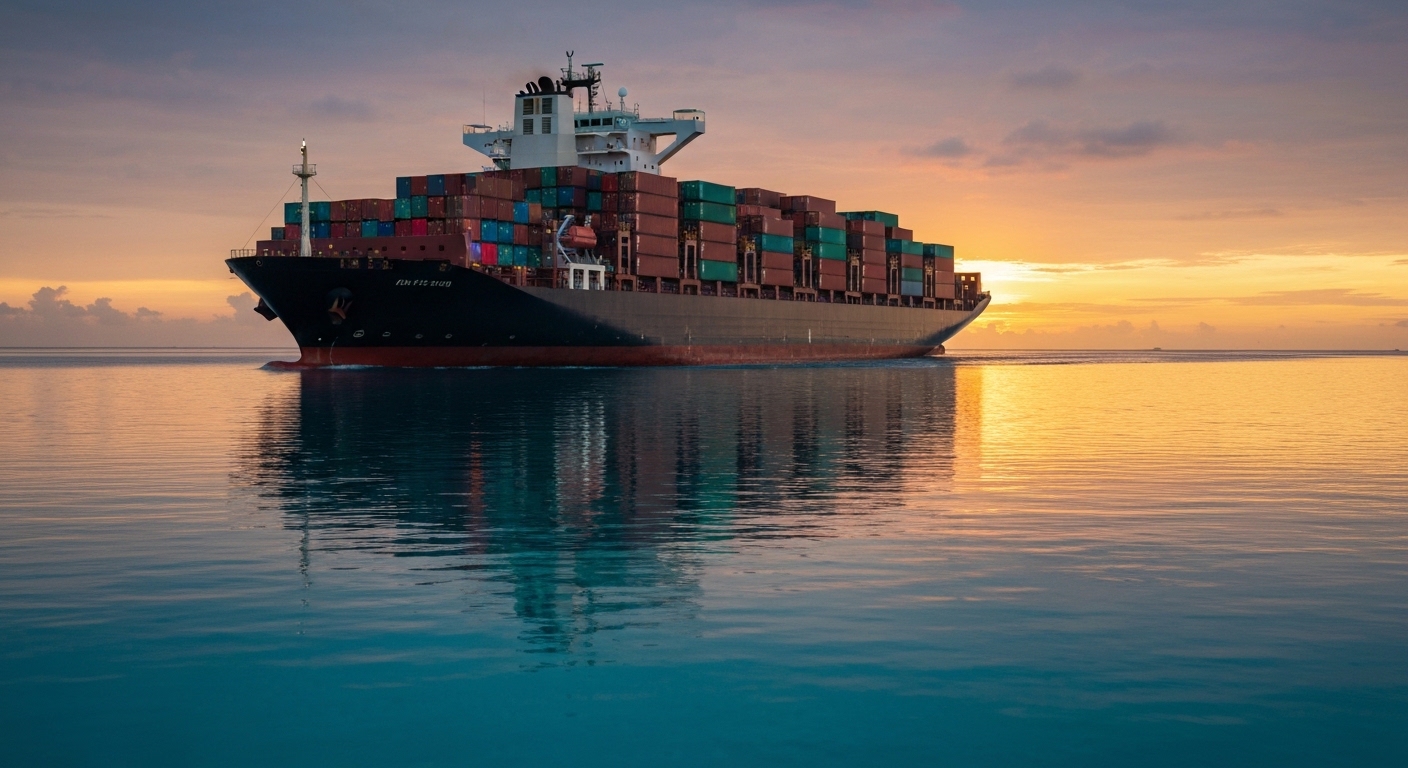
Send us the invoice, packing list and bill of lading. We confirm the HS code, estimate landed cost and flag any permit needed before the cargo sails.
Import licence, LARTAS permits and supporting certificates prepared and lodged, so nothing stalls the consignment on arrival.
PIB filed through CEISA, channel assignment monitored, and import duty, VAT and PPh 22 settled on your behalf.
Cargo released from the terminal and delivered to your address anywhere in Bali, with the full document set handed back to you.
On the Ground


Common Questions
You need a NIB (Nomor Induk Berusaha) as your basic business license, API-U (general importer) or API-P (producer importer) identification, and possibly product-specific permits like SNI, BPOM, or halal certification depending on your goods. We can arrange undername import if you lack these licenses.
Options include utilizing Free Trade Agreements (FTA) with proper Certificate of Origin, applying for KITE facilities for export-oriented production, importing through bonded zones for duty deferral, and ensuring accurate HS code classification to avoid higher duty brackets.
There is no minimum order value for commercial imports, but the economics of customs clearance fees make very small shipments relatively expensive per unit. We recommend consolidating orders where possible and can advise on optimal shipment sizing for your business.
Yes. Through our undername import service, foreign companies and individuals can import goods using our licensed facilities. We act as the importer of record, managing all customs formalities while you maintain commercial control of your goods.
Keep Reading
Get in Touch
Send your documents and we will come back with the realistic route, timeline and landed cost — reviewed by a licensed PPJK broker, not an estimate bot.
Handled by BD Juara Holding Group