15+
Years Experience
5,000+
Shipments Cleared
98%
On-Time Rate
24/7
Support Available
Overview
Bali’s vibrant culinary landscape has created extraordinary opportunities for food and beverage export, with Indonesian specialty products gaining recognition in global markets. From artisanal coffee and premium cacao to organic spices, tropical fruit products, and traditional Balinese condiments, the island produces a remarkable diversity of high-quality food and beverage items that command premium prices internationally. Bali Customs Clearance provides comprehensive export logistics for food and beverage producers, handling every aspect of the customs clearance process from health certificate acquisition through BPOM to final export declaration filing and international shipping coordination.
 Licensed PPJK
Quick Answer
Food and beverage export from Bali requires BPOM health certificates, customs export declarations (PEB), proper labeling compliance, phytosanitary certificates for agricultural products, and Halal certification for Muslim-market destinations. Bali Customs Clearance handles complete export documentation and logistics for coffee, cacao, spices, tropical fruits, traditional condiments, and other Indonesian food products.
What We Handle
We manage the complete BPOM (Badan Pengawas Obat dan Makanan) certification process for food and beverage products destined for export. This includes product registration, laboratory testing coordination, health certificate issuance, and compliance with destination country food safety requirements such as FDA (USA), FSANZ (Australia/NZ), EU food safety standards, and SFDA (Saudi Arabia). Our team ensures your products meet all regulatory requirements before export.
We manage the complete BPOM (Badan Pengawas Obat dan Makanan) certification process for food and beverage products destined for export. This includes product registration, laboratory testing coordination, health certificate issuance, and compliance with destination country food safety requirements such as FDA (USA), FSANZ (Australia/NZ), EU food safety standards, and SFDA (Saudi Arabia). Our team ensures your products meet all regulatory requirements before export.
Our documentation team prepares all required export paperwork including customs export declarations (PEB), commercial invoices, packing lists, certificates of origin for preferential trade agreements, phytosanitary certificates for plant-based products, fumigation certificates where required, and Halal certificates for shipments to Muslim-market countries. Every document is verified for accuracy before submission.
For perishable food and beverage products requiring temperature-controlled transport, we coordinate complete cold chain logistics from your production facility to the destination. This includes refrigerated container booking, temperature monitoring equipment, proper packaging guidance, and coordination with airlines and shipping lines that offer reefer services to ensure product quality is maintained throughout transit.
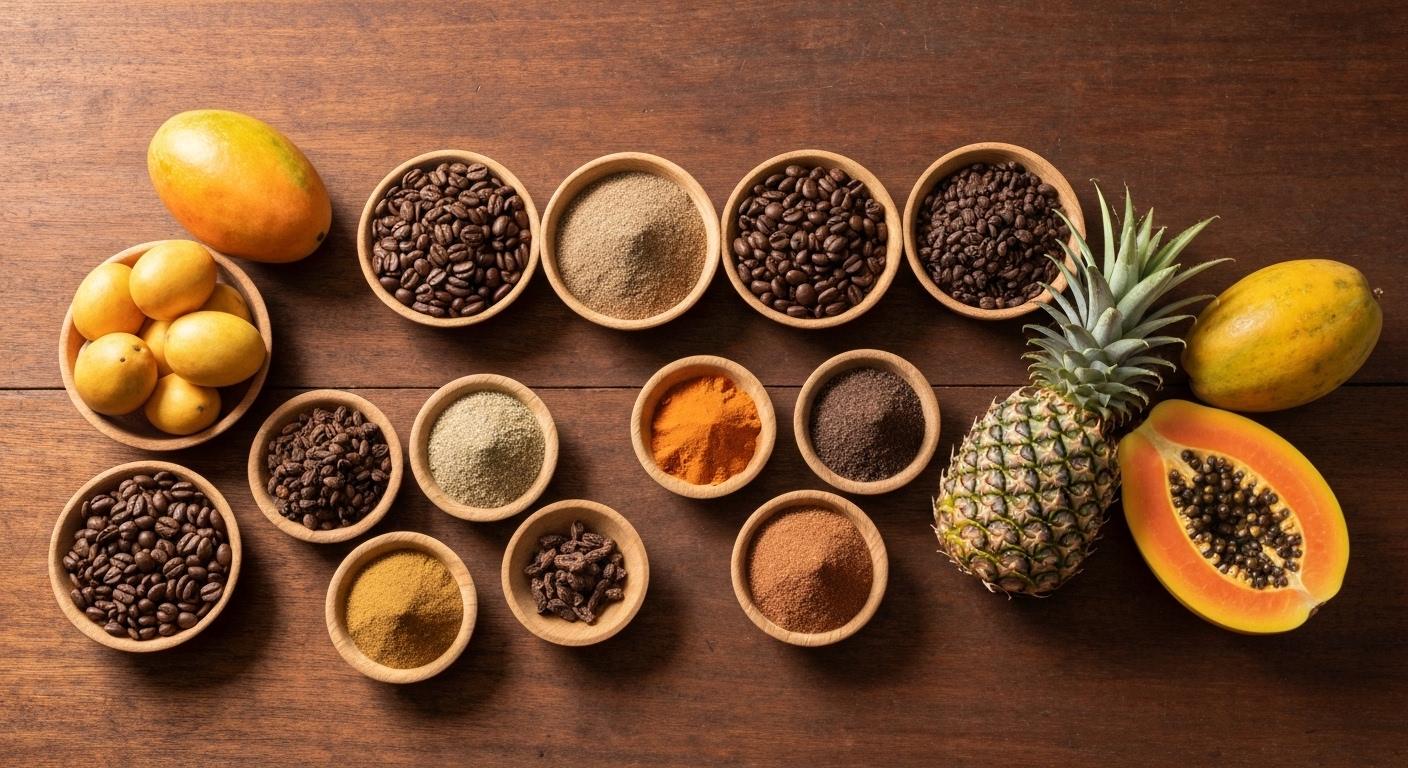
Bali has established a strong reputation for several food and beverage categories that are in high demand internationally. Balinese coffee, particularly single-origin arabica from the Kintamani highlands, commands premium prices in specialty coffee markets across the USA, Europe, Japan, and Australia. The unique volcanic terroir and traditional processing methods produce flavor profiles that are highly sought after by specialty roasters and discerning consumers worldwide.
Cacao and chocolate products from Bali have gained international acclaim, with several Balinese chocolate makers winning prestigious international awards. The growing bean-to-bar chocolate movement has created significant export opportunities for both raw cacao beans and finished chocolate products. Similarly, Bali’s organic spice producers export premium vanilla, cloves, cinnamon, turmeric, and pepper to markets worldwide, often at prices significantly above commodity market rates due to their exceptional quality and organic certification.
Traditional Balinese condiments and sauces, including sambal, bumbu, and kecap, are increasingly popular in international food markets as global demand for authentic Southeast Asian flavors continues to grow. Coconut-based products, including virgin coconut oil, coconut sugar, and coconut water, represent another major export category with strong demand in health-conscious markets globally. Tropical fruit products, including dried fruits, fruit preserves, and exotic fruit-based beverages, round out Bali’s diverse food export portfolio.

Exporting food and beverages from Indonesia involves navigating a complex regulatory landscape that varies significantly by product type and destination country. At the Indonesian end, all food exports require a customs export declaration (PEB) filed through the CEISA system, along with product-specific certifications from relevant authorities. BPOM registration ensures products meet Indonesian food safety standards, while phytosanitary certificates from the Agricultural Quarantine Agency confirm that plant-based products are free from pests and diseases.
Destination country requirements add another layer of complexity. Exports to the European Union must comply with EU food safety regulations including traceability requirements and maximum residue limits (MRLs) for pesticides. US-bound shipments require compliance with FDA requirements, including Prior Notice of imported food and facility registration under the Bioterrorism Act. Australian imports must satisfy FSANZ standards and biosecurity requirements enforced by the Department of Agriculture. For Middle Eastern markets, Halal certification from an MUI-recognized certification body is typically mandatory.
Our compliance team stays current with evolving regulations in all major destination markets and ensures your export documentation meets both Indonesian and destination country requirements. We have established working relationships with BPOM, the Agricultural Quarantine Agency, MUI Halal certification bodies, and testing laboratories that enable us to expedite the certification process for our clients.
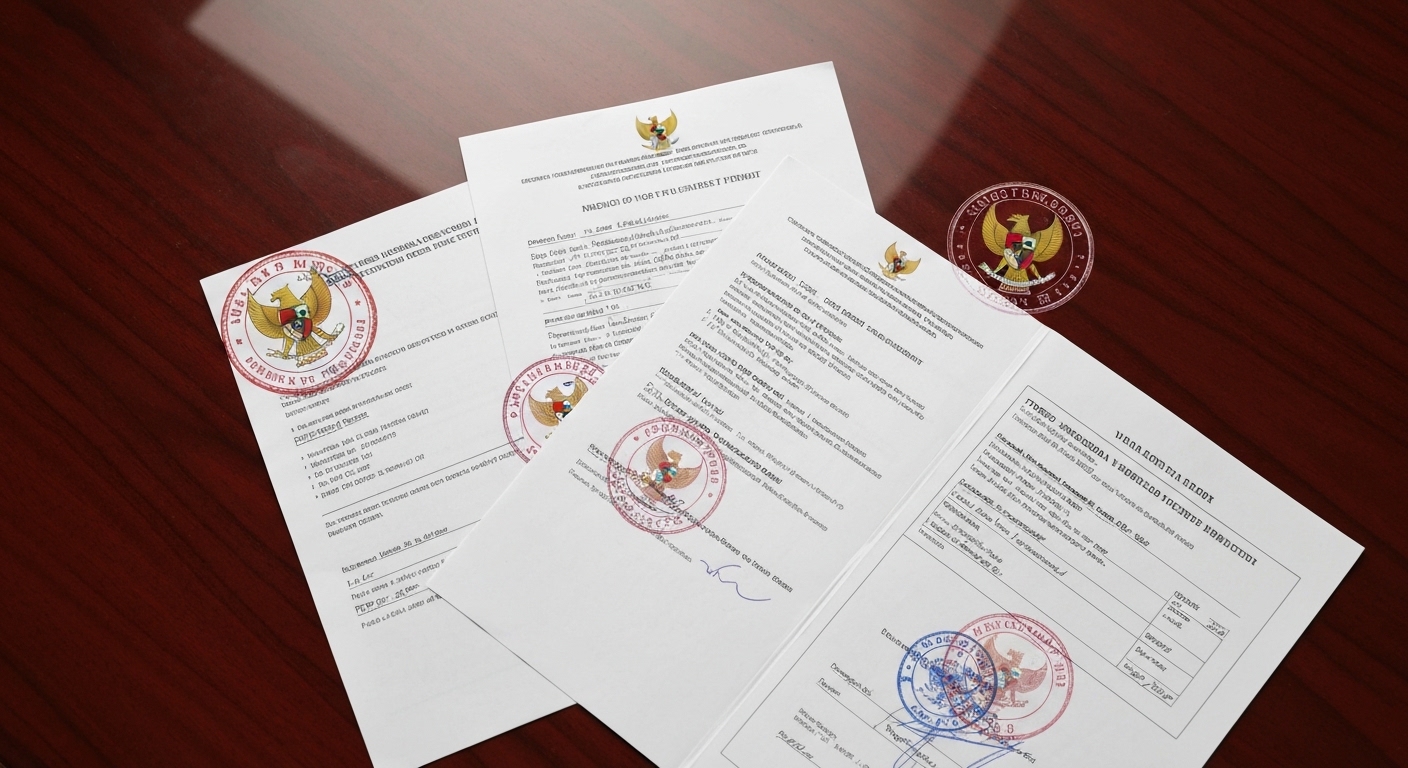
The food and beverage export process typically follows these stages: initial product assessment and classification, regulatory compliance review, certification and permit acquisition, packaging and labeling compliance verification, customs export declaration preparation, freight booking and logistics coordination, and post-export documentation delivery. For products with existing certifications, the export process from documentation to shipping typically takes 3-5 business days. New products requiring BPOM registration or other certifications may require 2-4 weeks for the initial setup, after which subsequent shipments proceed much faster.
We recommend that first-time food exporters begin the certification process well in advance of their planned shipping date. Our team provides a comprehensive pre-export assessment that identifies all required certifications, estimates processing times and costs, and creates a detailed timeline for your export project. This proactive approach prevents last-minute delays and ensures your products reach international buyers on schedule.
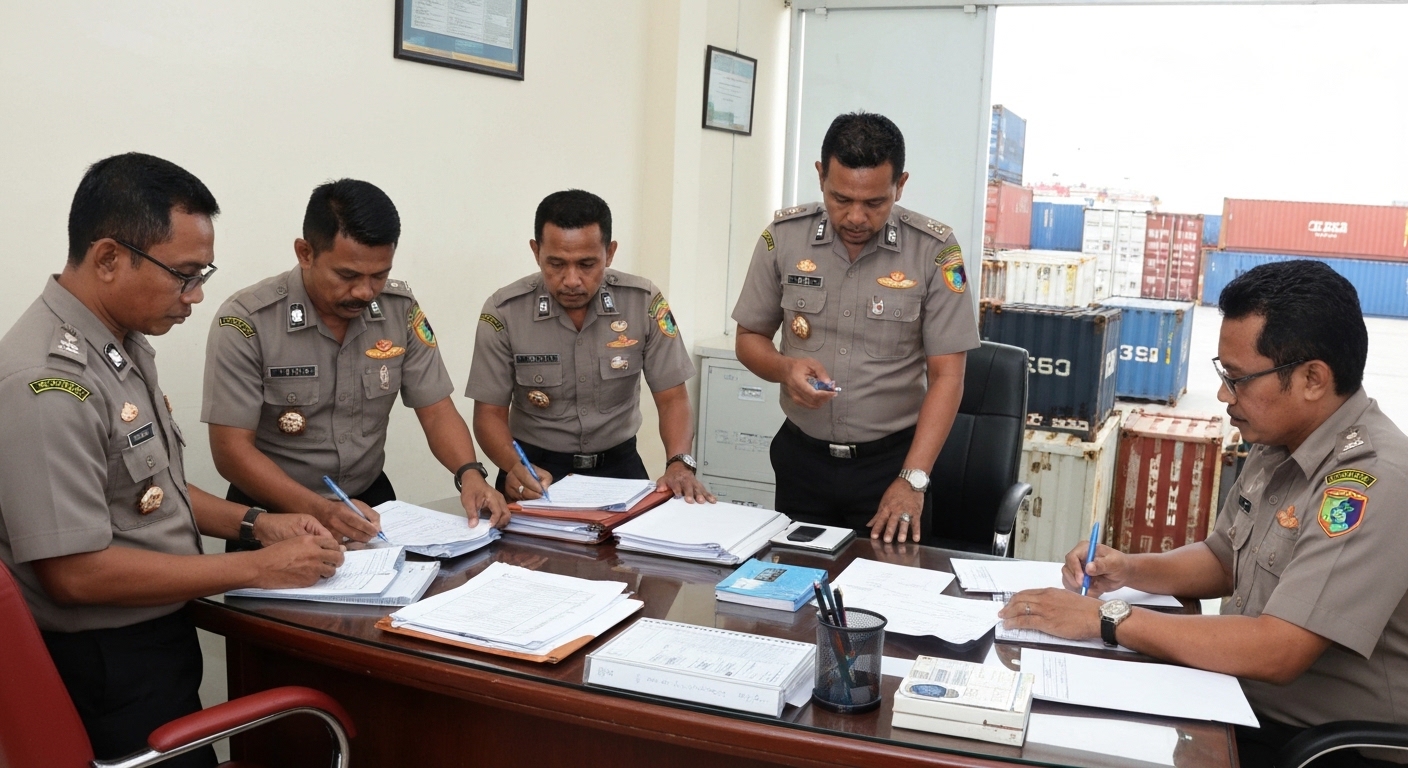
Let our expert team handle the certifications, documentation, and logistics so you can focus on producing world-class food and beverages.
Email: [email protected] · Phone: +62 811-3941-4563

Our Workflow
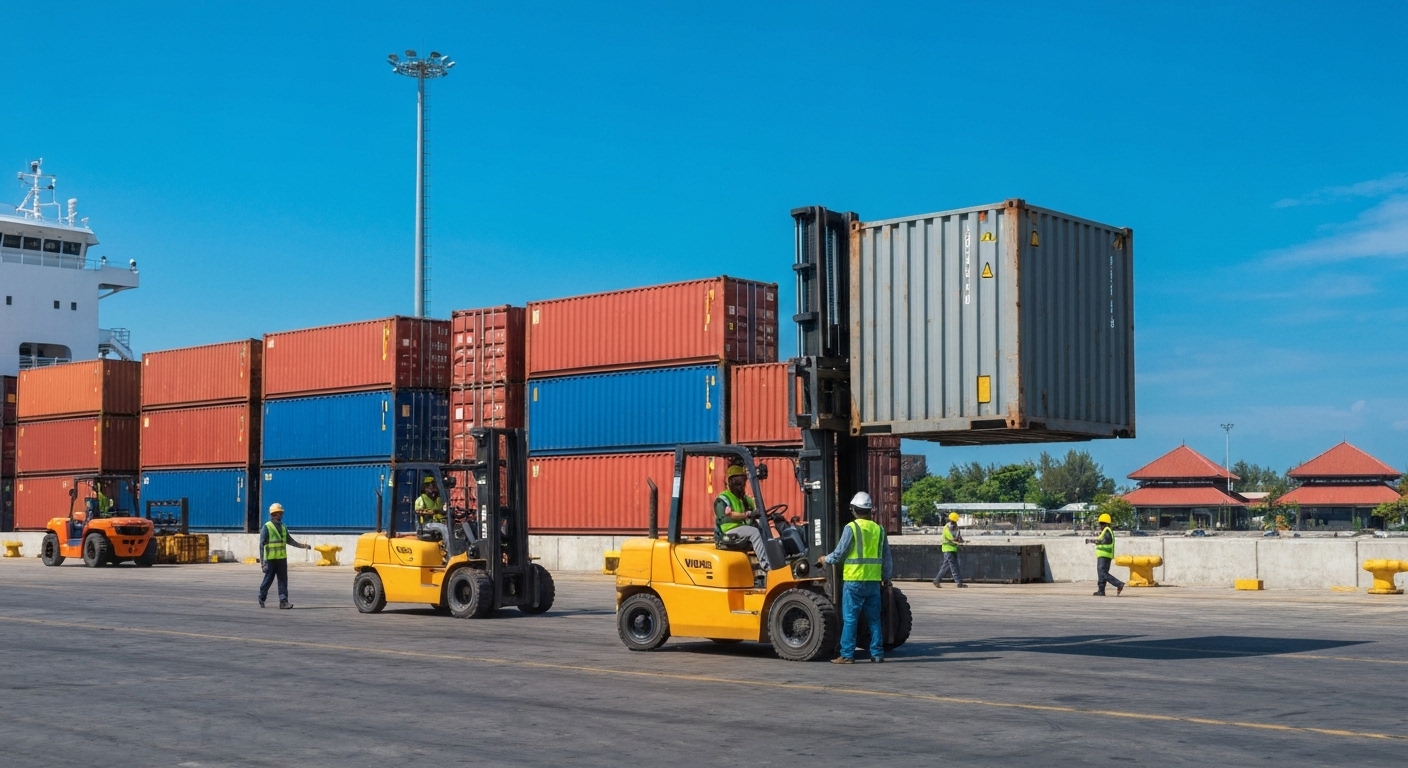
We classify the goods, confirm the HS code and check both Indonesian export rules and the destination country's import requirements before anything is packed.
PEB declaration, certificate of origin for preferential tariffs, phytosanitary certificate and ISPM 15 fumigation where wooden packaging is used.
Crating, container stuffing supervision and space booked with the carrier, with marine insurance arranged against the declared value.
Export clearance filed through CEISA, cargo released, and tracking shared with you until the consignment lands with your buyer.
On the Ground




Common Questions
At minimum, you need BPOM product registration, a phytosanitary certificate (for plant-based products), and a customs export declaration (PEB). Depending on your destination, you may also need Halal certification, a Certificate of Origin, FDA compliance documentation, or EU health certificates. Our team assesses your specific product and destination to identify all required certifications.
Yes, we coordinate Halal certification through MUI (Majelis Ulama Indonesia) recognized certification bodies. This includes application preparation, factory audit coordination, product ingredient verification, and certificate issuance. Halal certification is essential for exports to Middle Eastern, Malaysian, and other Muslim-majority markets.
Packaging requirements vary by product type and transport mode. Generally, perishable items need insulated packaging, gel packs or dry ice for temperature maintenance, moisture-resistant barriers, and compliance with ISPM-15 for wooden packaging materials. We provide detailed packaging guidance specific to your product and can connect you with certified export packaging suppliers in Bali.
Export costs include customs brokerage fees, BPOM certification fees, phytosanitary certificate fees, Halal certification (if required), freight charges, packaging materials, and any destination-country import duties. We provide complete cost breakdowns before engagement so you can accurately calculate your export pricing and margins. Contact us with your product details for a detailed quote.
Major destination markets for Bali food exports include Japan (coffee, cacao, spices), the United States (specialty coffee, chocolate, coconut products), Australia (organic products, coffee, tropical fruits), the European Union (spices, coffee, organic products), South Korea (coffee, tropical fruits), and Middle Eastern countries (spices, coconut products, Halal-certified items). We can advise on market-specific requirements and the most cost-effective shipping routes for your target destinations.
Keep Reading
Get in Touch
Send your documents and we will come back with the realistic route, timeline and landed cost — reviewed by a licensed PPJK broker, not an estimate bot.
Handled by BD Juara Holding Group