15+
Years Experience
5,000+
Shipments Cleared
98%
On-Time Rate
24/7
Support Available
Overview
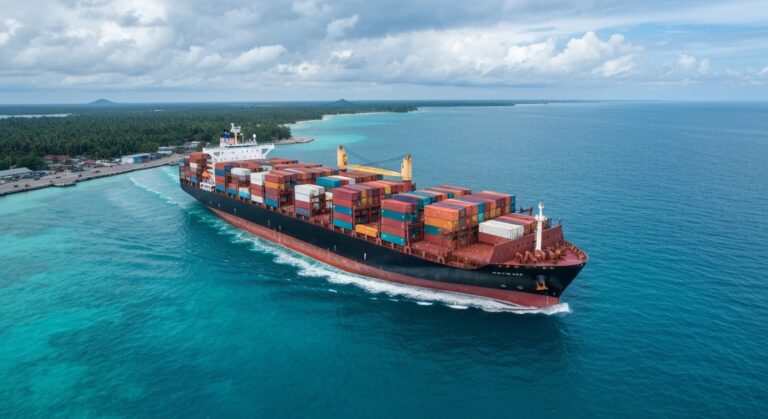
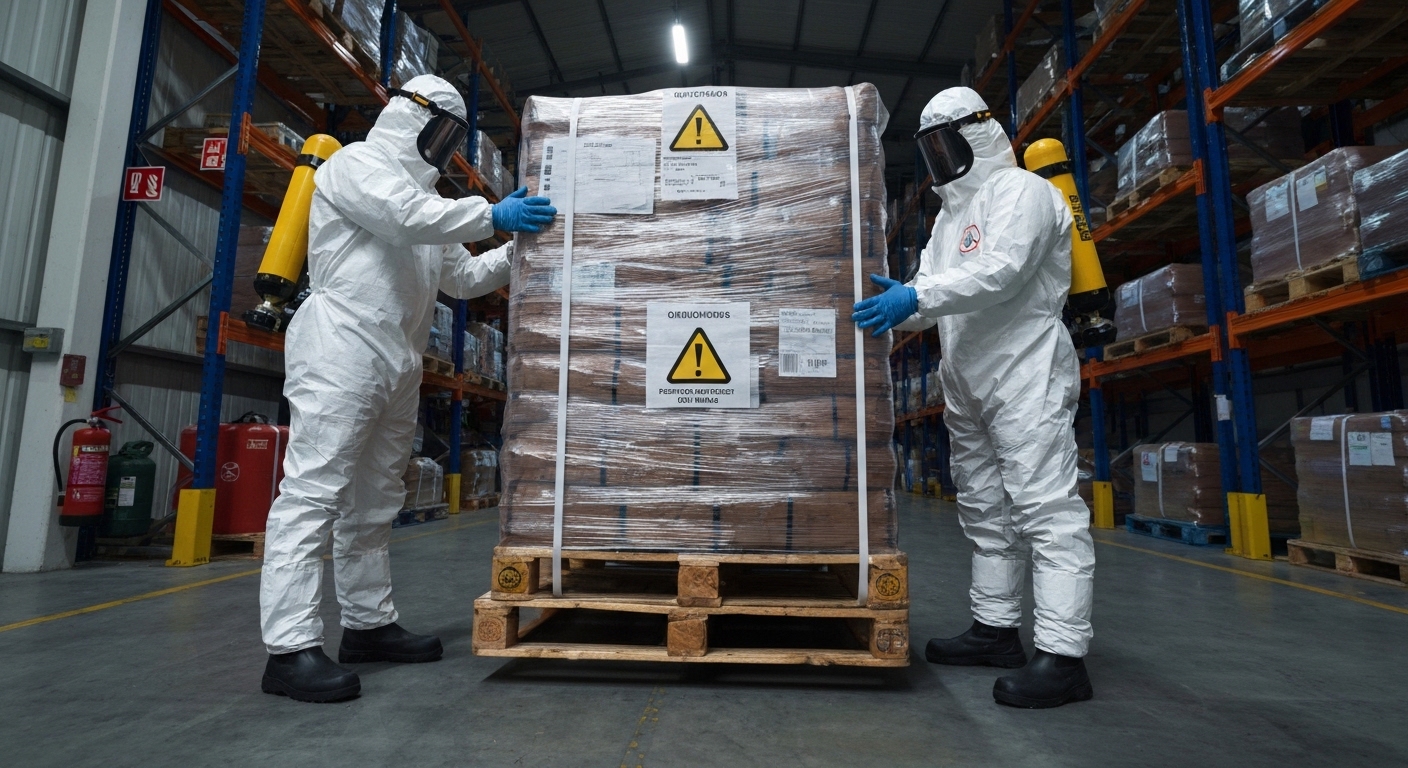
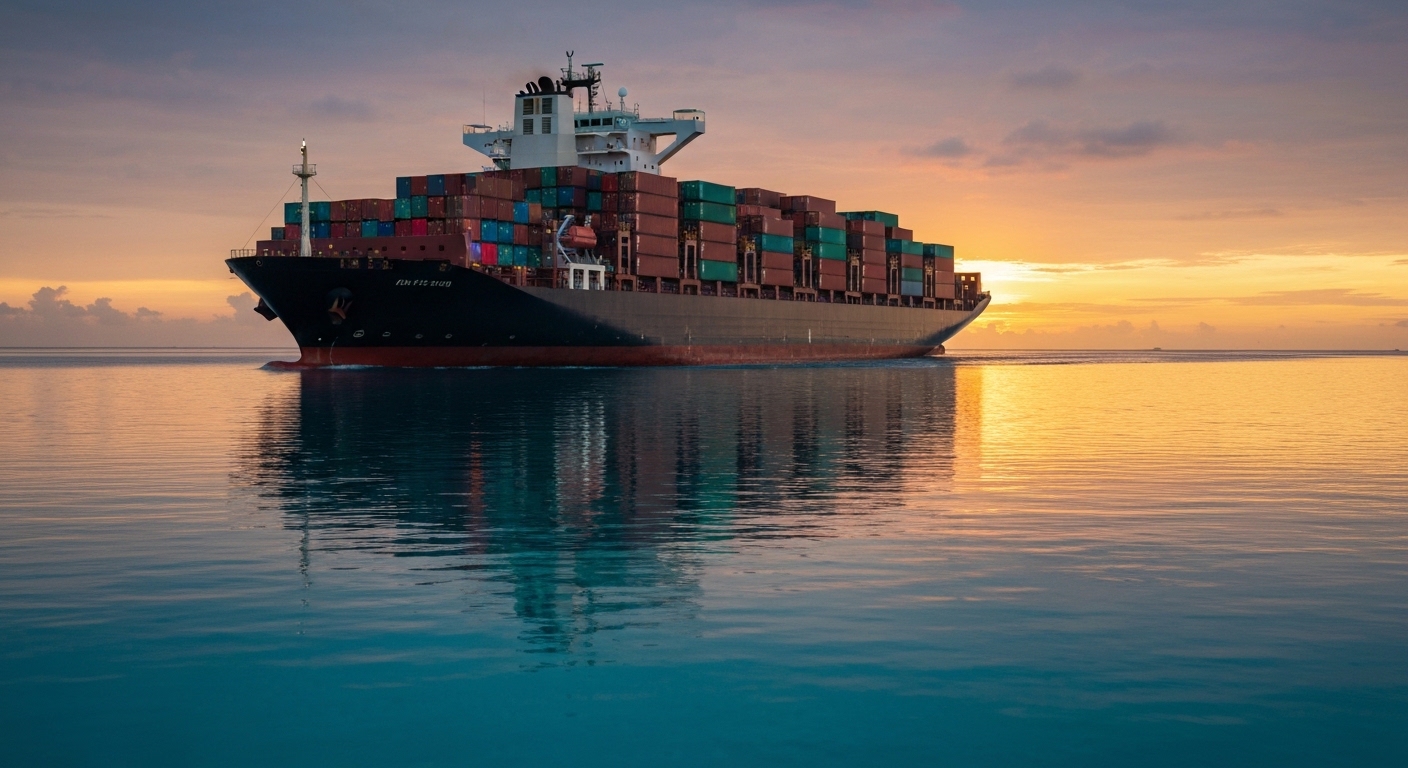
The transportation of dangerous goods — hazardous materials classified by the United Nations under the nine internationally recognized classes — requires specialized expertise, certified handling procedures, and strict regulatory compliance. BaliCustomsClearance.com provides comprehensive dangerous goods (DG) handling services for both air and sea freight shipments through Bali, ensuring your hazardous materials are classified, packaged, documented, and transported in full compliance with IATA Dangerous Goods Regulations (for air), IMDG Code (for sea), and Indonesian national regulations. Our DG-certified team handles everything from initial classification and packaging assessment to customs clearance and carrier coordination.
Dangerous goods encompass a wide range of products commonly shipped through Bali, including lithium batteries in electronic devices, cosmetics and perfumes containing flammable alcohols, paints and adhesives used in furniture manufacturing, cleaning chemicals for the hospitality industry, pharmaceutical products, compressed gases for diving operations, and marine fuels and lubricants for the yachting industry. Many shippers are unaware that their products may be classified as dangerous goods under international transport regulations. Our DG specialists assess your cargo, determine the correct UN classification, and ensure proper handling from origin to destination.
 Licensed PPJK
Quick Answer
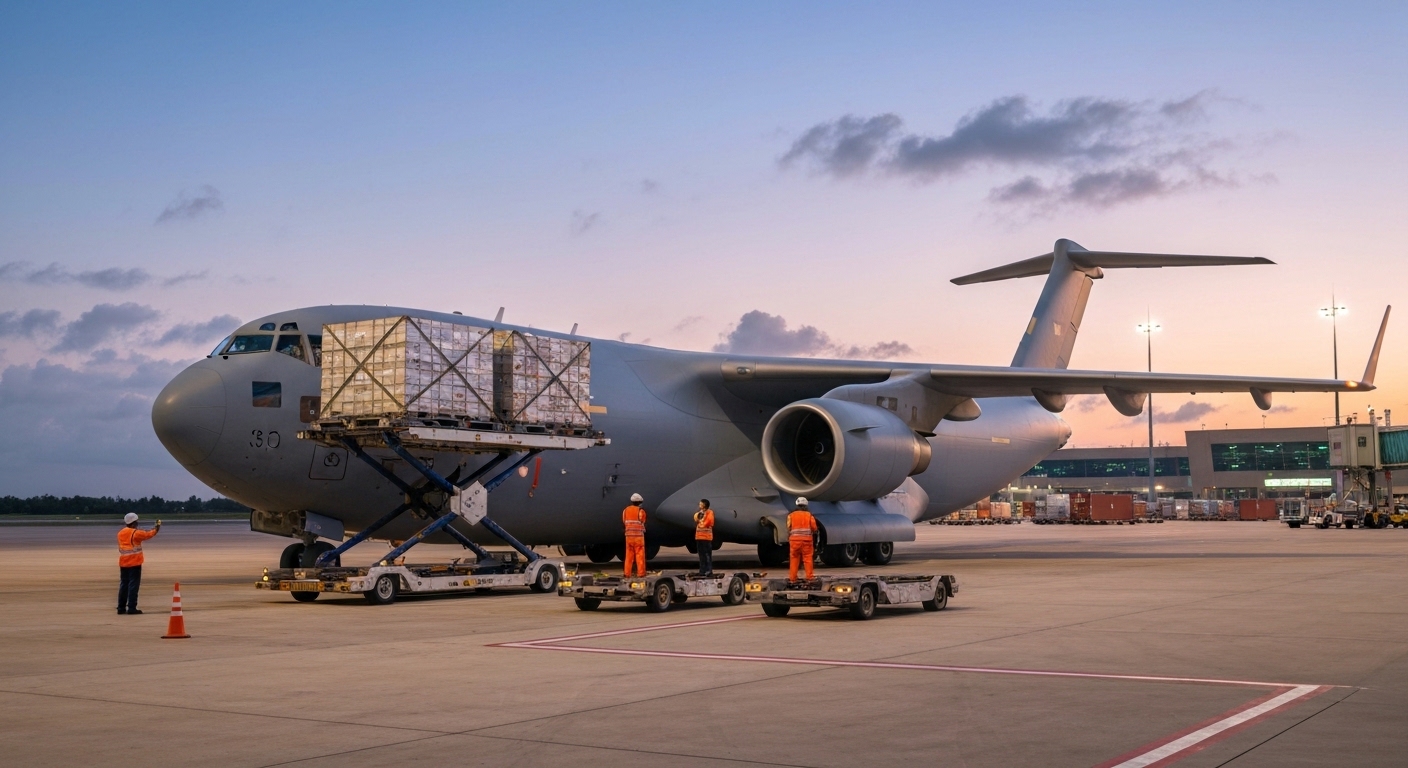
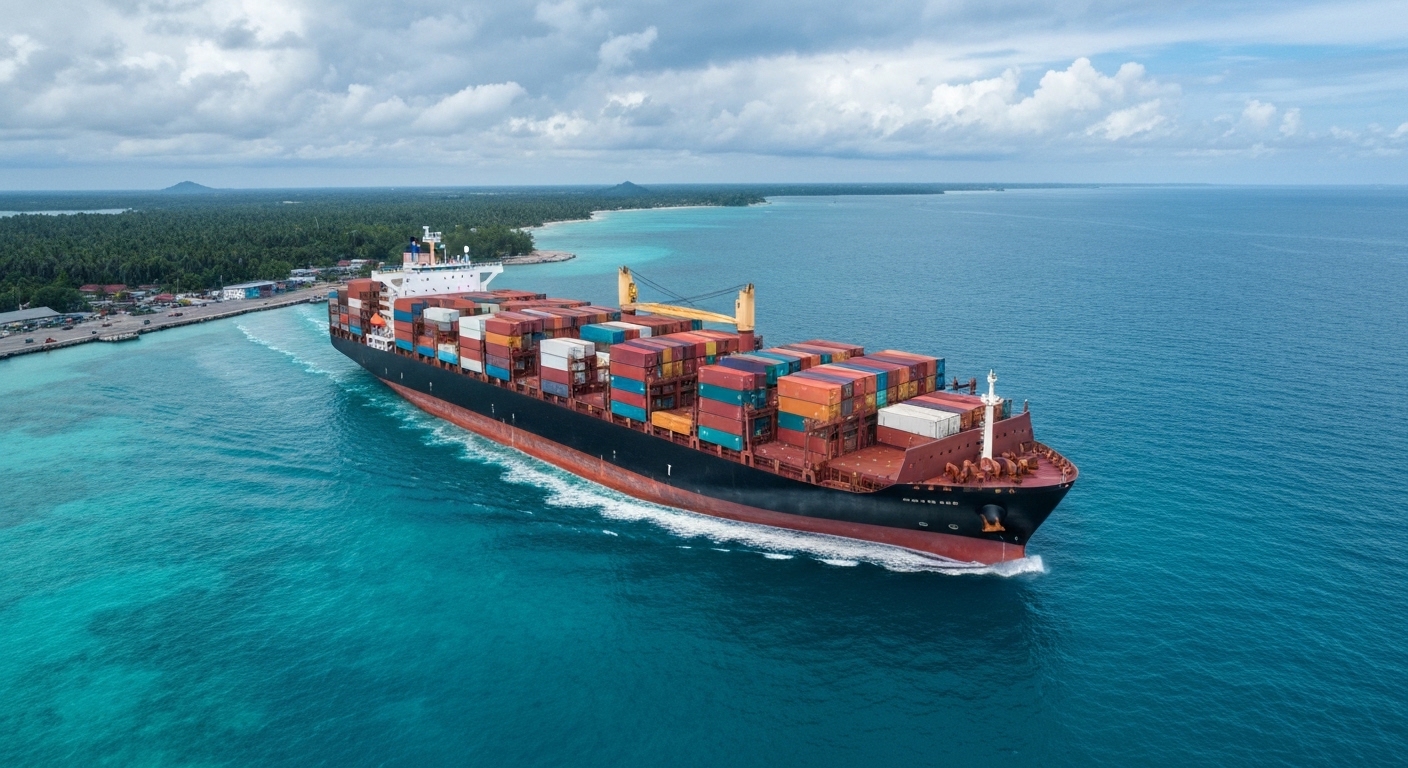
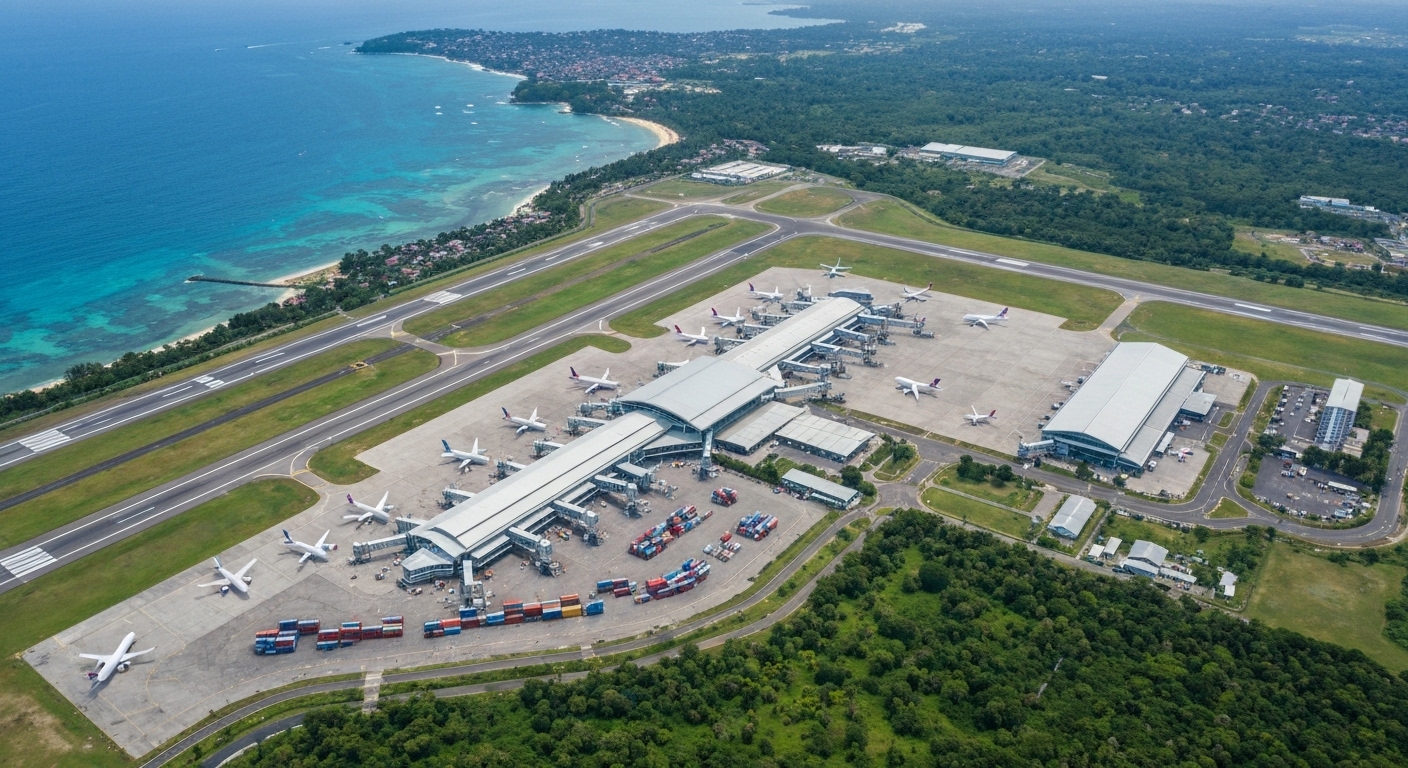
Dangerous goods handling in Bali covers all nine UN hazard classes for air freight (IATA DGR) and sea freight (IMDG Code) shipments. Services include hazard classification, UN-specification packaging, proper marking and labeling, Shipper’s Declaration preparation, carrier coordination, and customs clearance for hazardous materials. BaliCustomsClearance.com provides IATA DG-certified handlers for all dangerous goods shipments through Ngurah Rai Airport and Benoa Port.
What We Handle
UN number identification, proper shipping name determination, hazard class and packing group assignment, Shipper’s Declaration for Dangerous Goods (DGD) preparation, Safety Data Sheet (SDS) review, and transport document compilation meeting IATA DGR and IMDG Code requirements.
UN number identification, proper shipping name determination, hazard class and packing group assignment, Shipper’s Declaration for Dangerous Goods (DGD) preparation, Safety Data Sheet (SDS) review, and transport document compilation meeting IATA DGR and IMDG Code requirements.
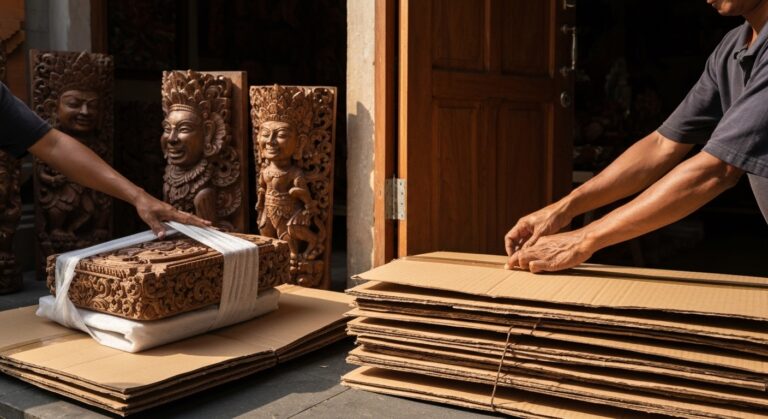
UN-specification packaging verification, inner and outer packaging compatibility assessment, absorbent material placement for liquids, proper hazard labels and handling marks application, orientation arrows for liquids, overpack declarations, and compliance photographs for documentation.
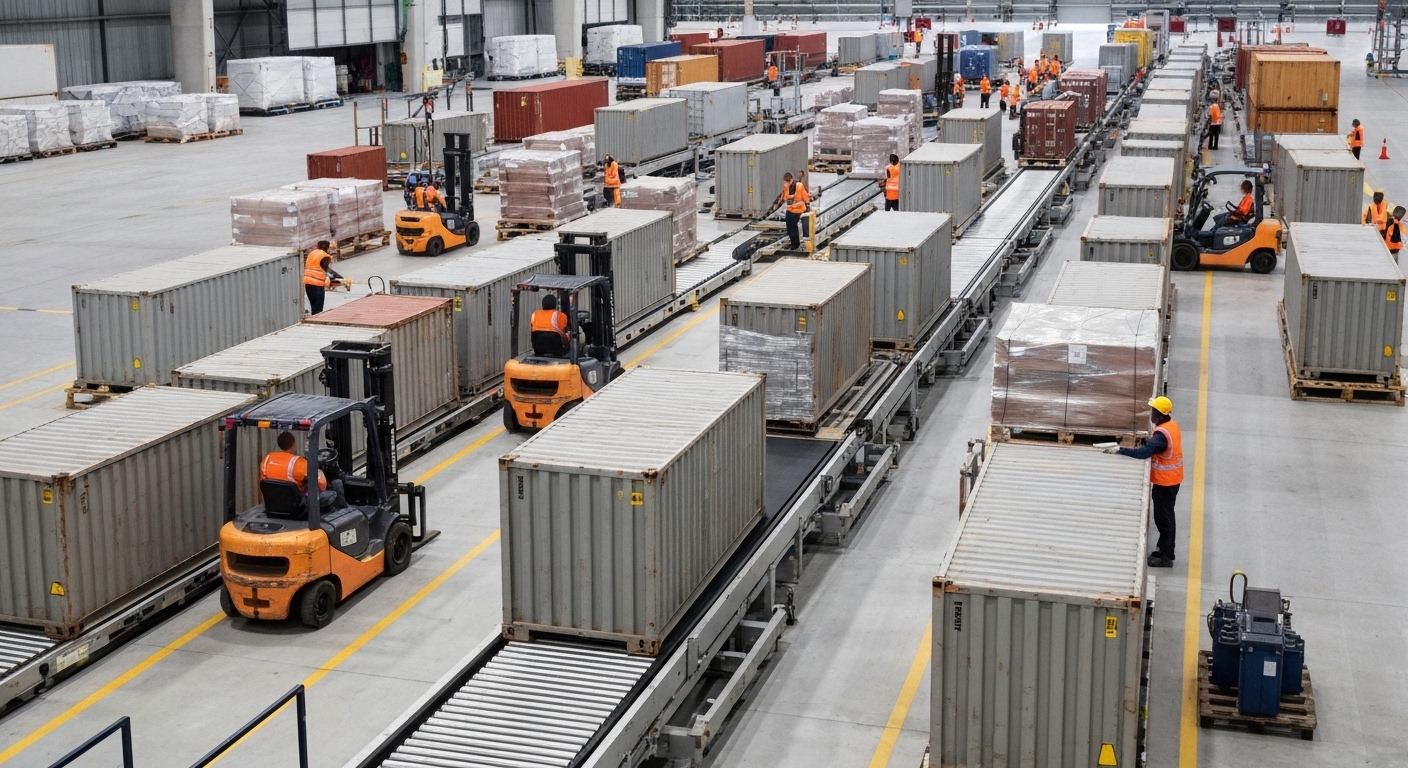
Carrier acceptance coordination ensuring DG cargo meets airline or shipping line requirements, segregation planning for mixed DG loads, customs clearance with proper hazmat declarations, temporary storage in compliant DG warehousing, and door-to-door DG logistics management.
International dangerous goods regulations classify hazardous materials into nine primary classes. Class 1 covers explosives including fireworks and pyrotechnics. Class 2 encompasses gases — both compressed (diving tanks) and aerosols. Class 3 includes flammable liquids such as perfumes, paints, adhesives, and alcohol-based products. Class 4 covers flammable solids, spontaneously combustible materials, and substances that emit flammable gas when wet.
Class 5 addresses oxidizing substances and organic peroxides used in manufacturing processes. Class 6 includes toxic and infectious substances, relevant for pharmaceutical and medical shipments. Class 7 covers radioactive materials. Class 8 encompasses corrosive substances including batteries, cleaning agents, and certain industrial chemicals. Class 9 addresses miscellaneous dangerous goods, notably lithium batteries — one of the most commonly shipped DG items from Bali due to the electronics trade. Our team is certified to handle all nine classes for both air and sea transport.
Lithium batteries represent the most frequently encountered dangerous goods category in modern shipping. Whether contained in devices (Section II) or packed separately (Section I), lithium metal and lithium-ion batteries must comply with strict packaging, quantity, and documentation requirements. Our DG team ensures your lithium battery shipments meet IATA Special Provision A154 and packing instruction PI965-PI970 requirements, including proper state of charge testing documentation, packaging specifications, and shipper declarations. We also handle the increasingly common e-commerce returns and warranty shipments involving battery-powered devices.
Contact our DG specialists at [email protected] or +6281139414563.
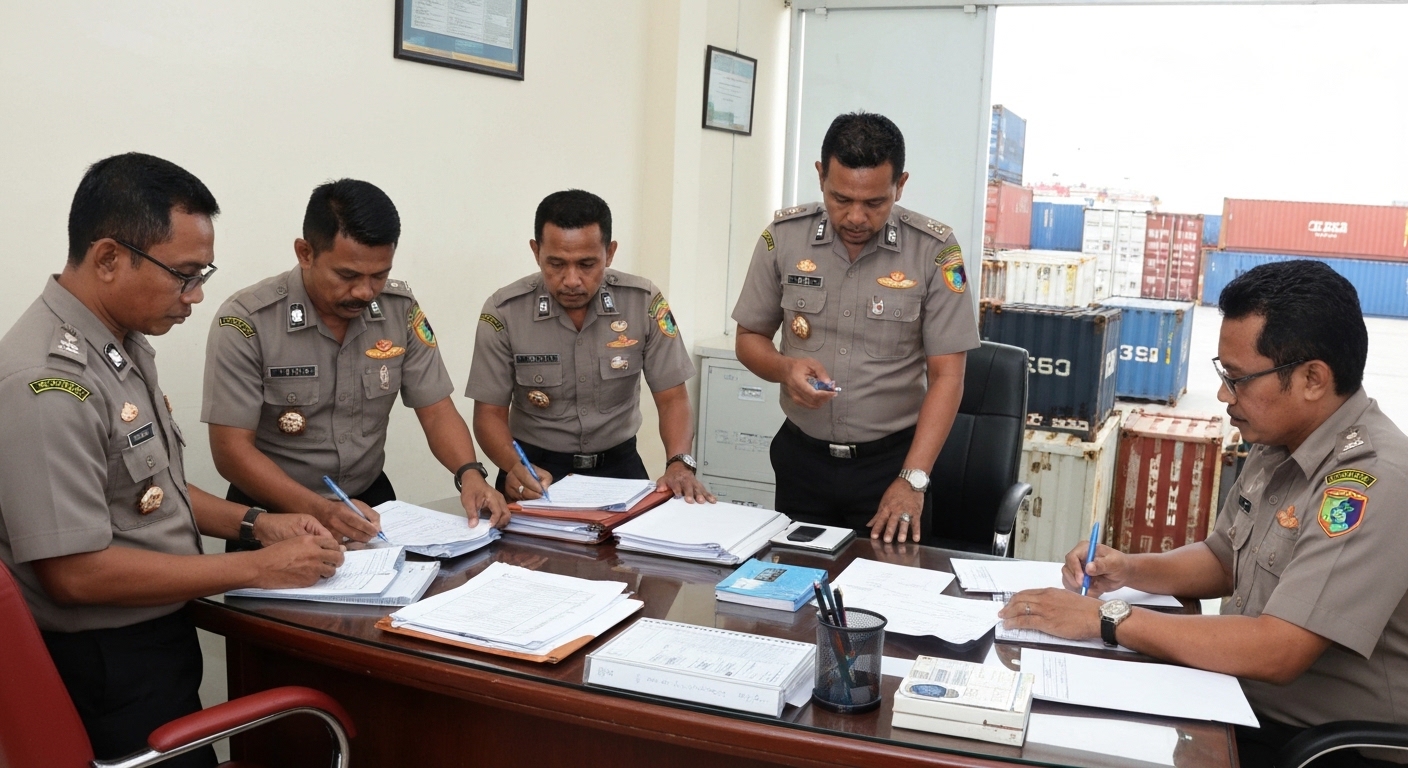
Our Workflow
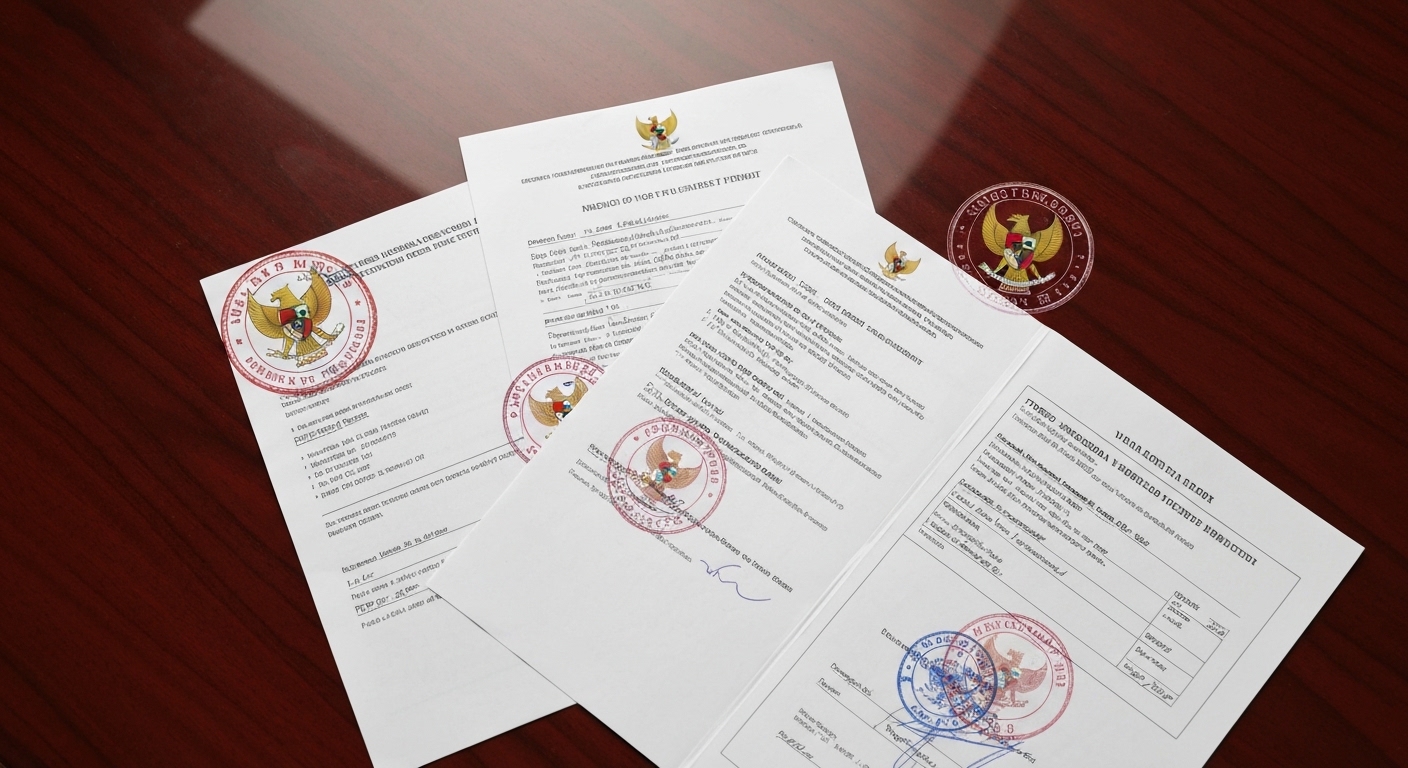
Send us the invoice, packing list and bill of lading. We confirm the HS code, estimate landed cost and flag any permit needed before the cargo sails.
Import licence, LARTAS permits and supporting certificates prepared and lodged, so nothing stalls the consignment on arrival.
PIB filed through CEISA, channel assignment monitored, and import duty, VAT and PPh 22 settled on your behalf.
Cargo released from the terminal and delivered to your address anywhere in Bali, with the full document set handed back to you.
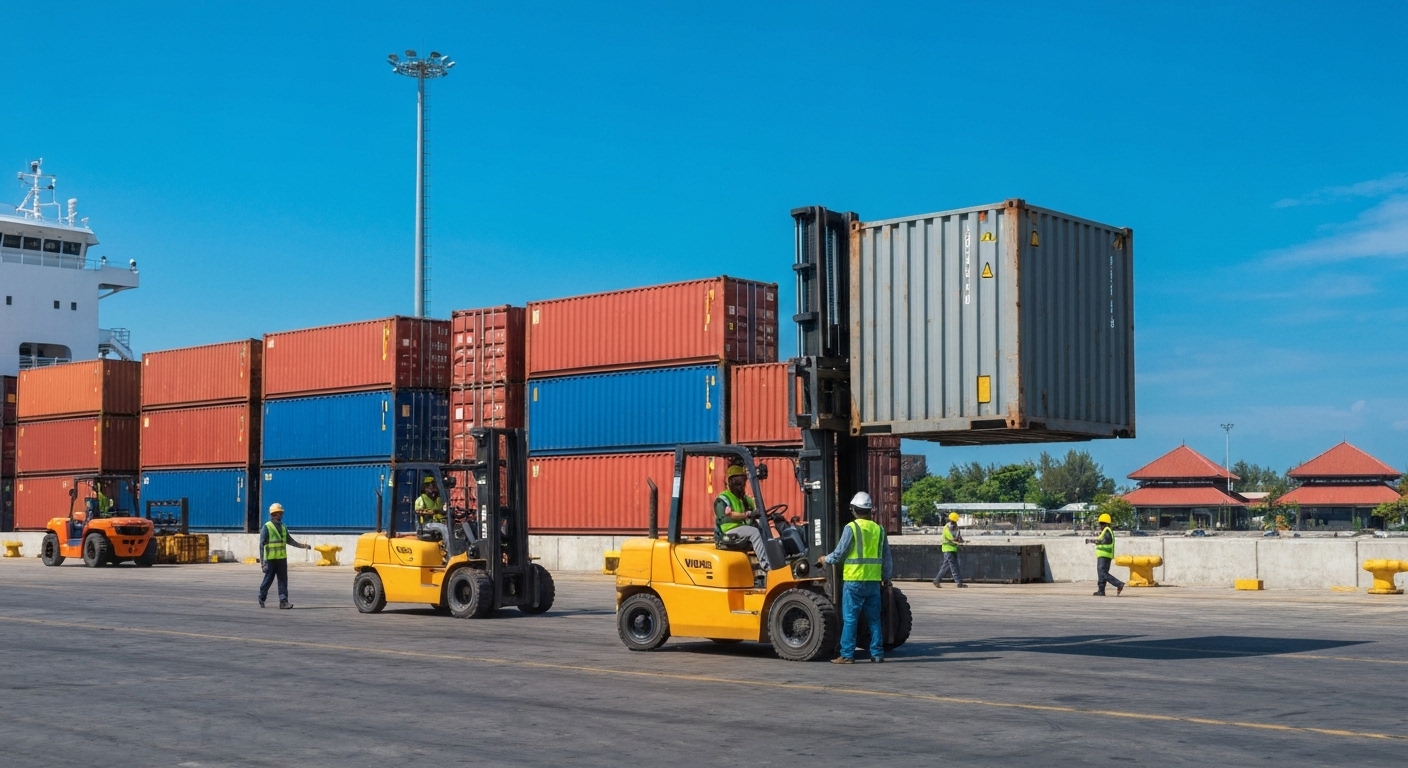
On the Ground

Common Questions
Common DG items from Bali include perfumes and essential oils (Class 3 flammable liquids), lithium batteries in electronics (Class 9), paint and lacquer for furniture exports (Class 3), diving equipment with compressed air tanks (Class 2), cleaning chemicals for hospitality supplies (Class 8 corrosives), and certain traditional medicines containing restricted substances. Our team assesses your products to determine correct classification.
DG surcharges vary by carrier, hazard class, and transport mode. Airlines typically add USD 50-200 per package as a DG handling fee. Shipping lines charge DG surcharges of USD 100-500 per container depending on class and quantity. Additional costs include UN packaging, special documentation, DG warehousing, and our DG processing fee. Contact [email protected] for specific cost estimates based on your materials.
No, certain dangerous goods are forbidden on aircraft under any circumstances, including some explosives, certain toxic gases, and some radioactive materials. Other DG items may only ship on cargo aircraft (not passenger flights). IATA DGR provides detailed acceptance tables for each UN number. Our DG specialists determine the transportability of your materials and recommend the appropriate shipping mode — air cargo, passenger aircraft, or sea freight — based on the specific classification.
Certifications are renewed every 24 months as required by international regulations. Team members also complete Indonesian-specific DG transport training and airport security awareness programs. This multi-certification approach ensures compliance across all transport modes and regulatory frameworks. Reach us at +6281139414563.
Keep Reading
Get in Touch
Send your documents and we will come back with the realistic route, timeline and landed cost — reviewed by a licensed PPJK broker, not an estimate bot.
Handled by BD Juara Holding Group