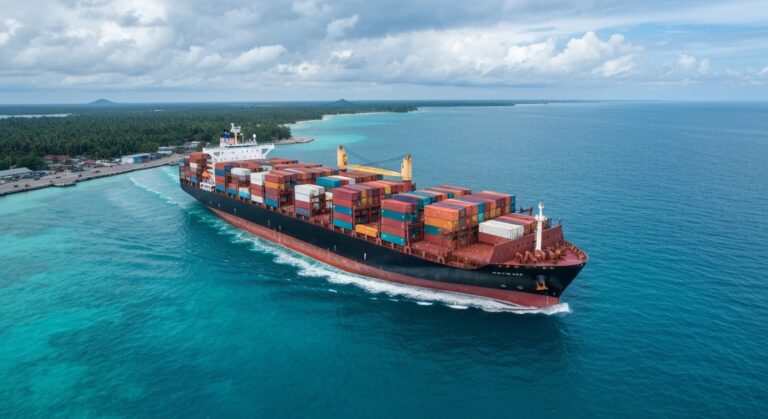
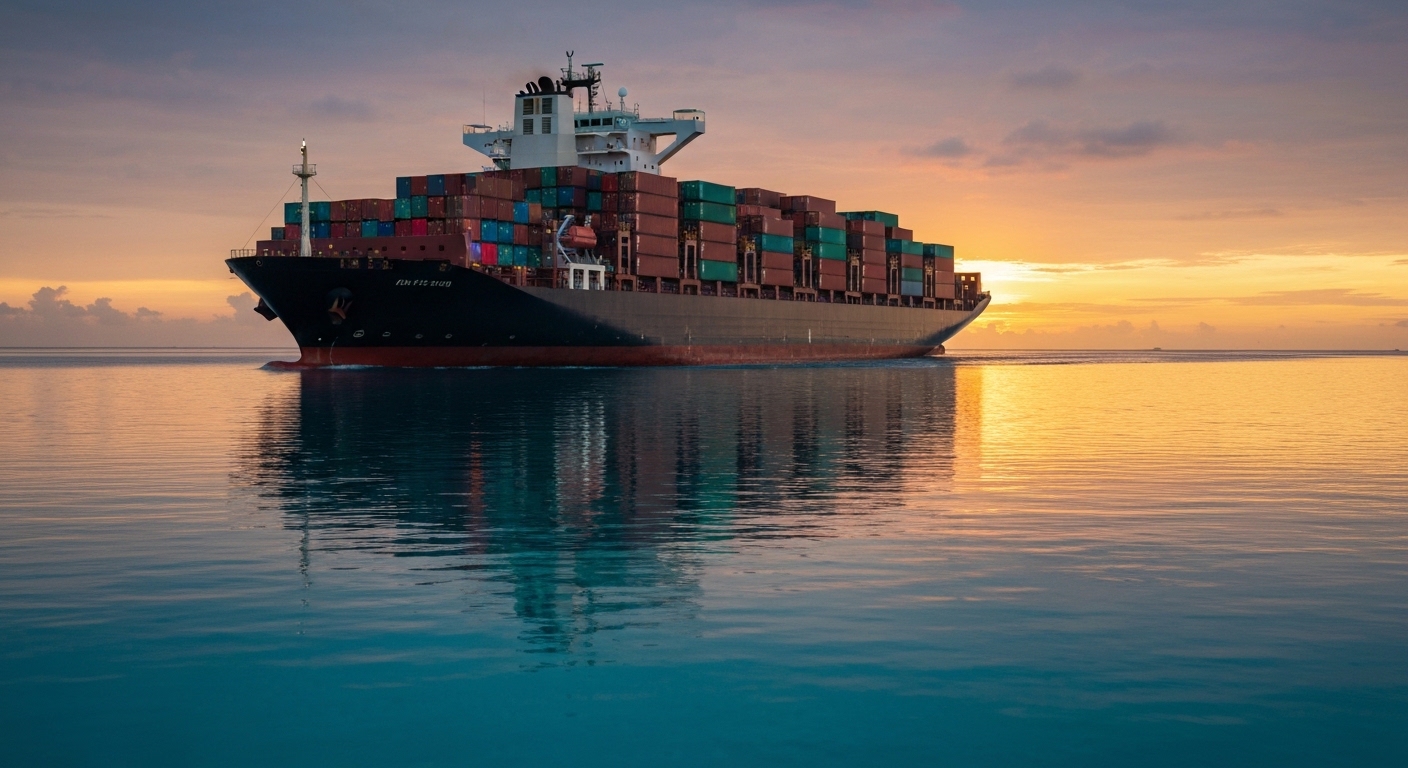
Customs clearance at Benoa Port for FCL/LCL cargo, yacht clearance, and project shipments, coordinated case by case with port and customs officials.
15+
Years Experience
5,000+
Shipments Cleared
98%
On-Time Rate
24/7
Support Available
Overview
Benoa handles a mix of commercial sea freight — including FCL and LCL container shipments — alongside yacht and pleasure craft arrivals, project cargo for construction or hospitality supplies, and occasional specialized shipments that require additional coordination. Each category follows a broadly similar customs framework but differs in the specific documents, inspection process, and timeline involved, which is why we treat commercial container cargo and yacht clearance as related but distinct services rather than a single generic process.
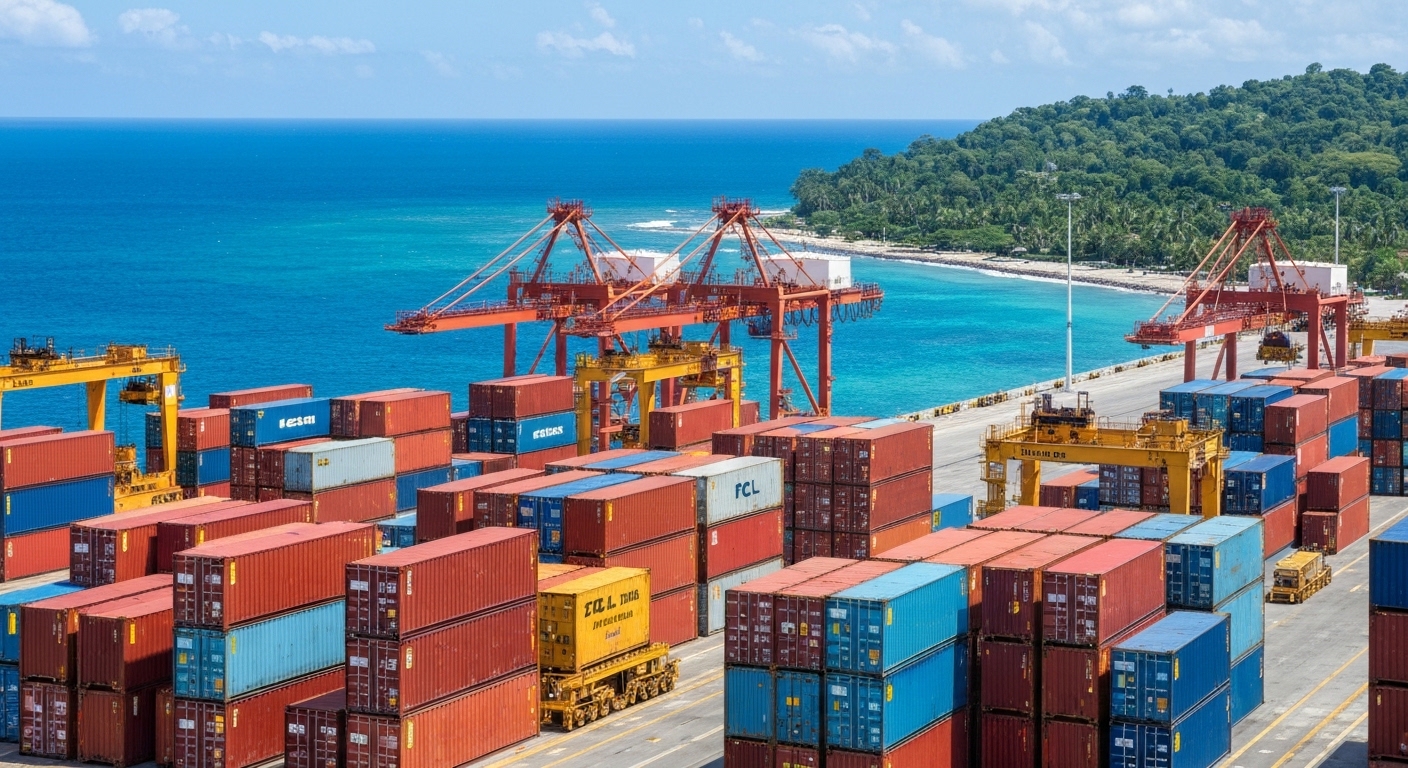 Licensed PPJK
For FCL and LCL container shipments, clearance generally starts before the vessel even arrives: import documents such as the bill of lading, commercial invoice, and packing list are reviewed and prepared, HS classification is confirmed for the goods on board, and any permits required for specific product categories are arranged in advance where possible. On arrival, the container is processed through the port's customs procedures, and our team liaises directly with both the port operator and customs office to move the shipment toward release as efficiently as the process allows.
Yachts and pleasure craft entering Indonesian waters through Benoa go through a clearance process that covers the vessel itself, its crew, and any goods on board, coordinated with port authorities, immigration, and customs. This is a distinct process from cargo clearance because the vessel is both the means of transport and, in some respects, treated as an item requiring its own documentation. Vessel owners and captains planning to clear in or out of Benoa should reach out well before arrival so paperwork can be prepared and reviewed ahead of time rather than assembled after the vessel is already at anchor.
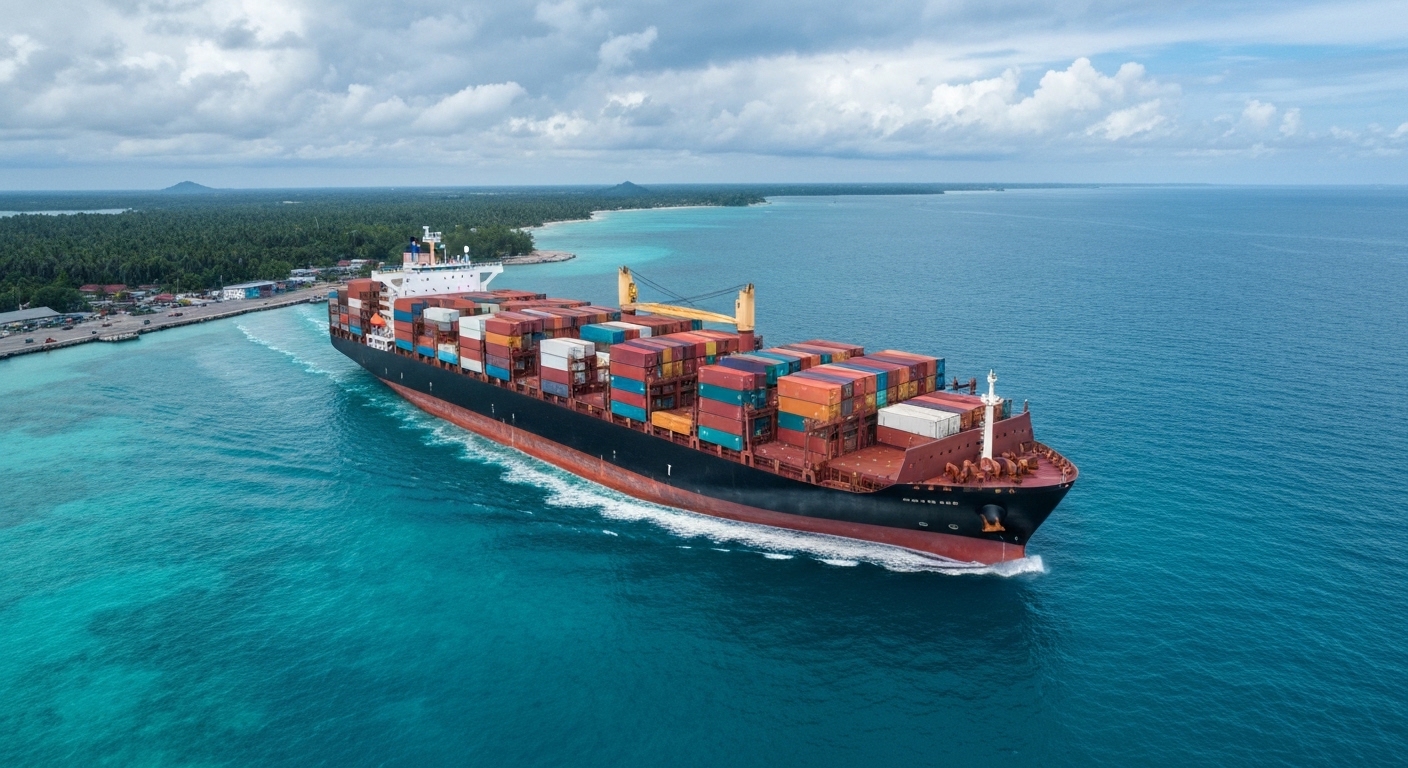
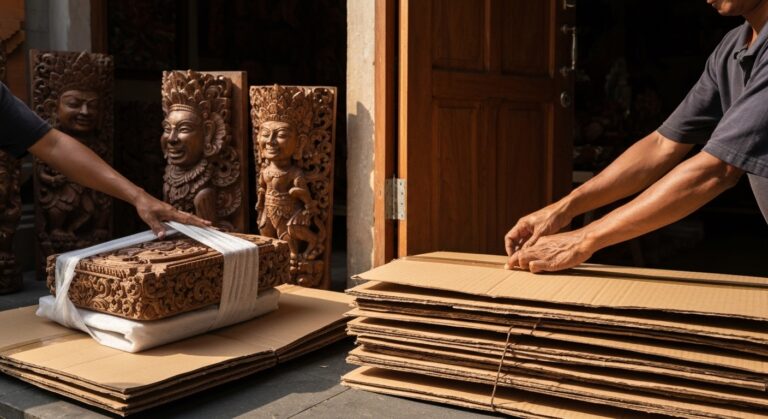
Larger or non-standard shipments — such as construction materials, hospitality equipment, or oversized items — sometimes require additional coordination beyond standard container procedures, including specialized handling at the port and closer liaison with customs on classification and permits. Our team has experience supporting construction-related imports and bulk equipment shipments through Benoa, and we scope these on a case-by-case basis given how much variation exists between projects.
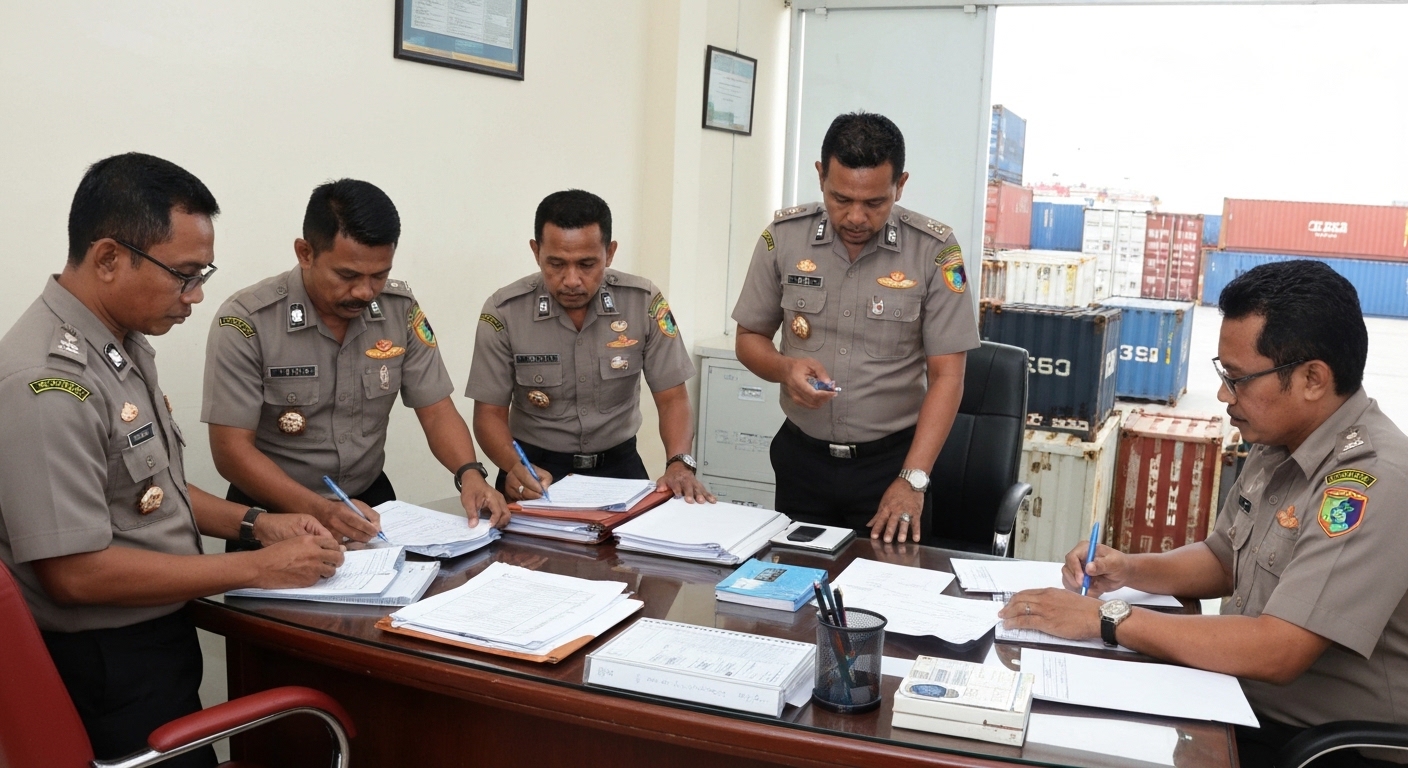
While the exact document list depends on cargo type and is confirmed for your specific shipment, sea cargo through Benoa generally involves a bill of lading, commercial invoice, packing list, and import declaration, with additional permits required for categories that fall under restricted or controlled goods rules. For yacht clearance, documents typically include vessel registration, crew list, and relevant maritime permits. Because requirements can shift with regulatory updates, we recommend confirming the current document list with our team before your cargo or vessel departs its origin.
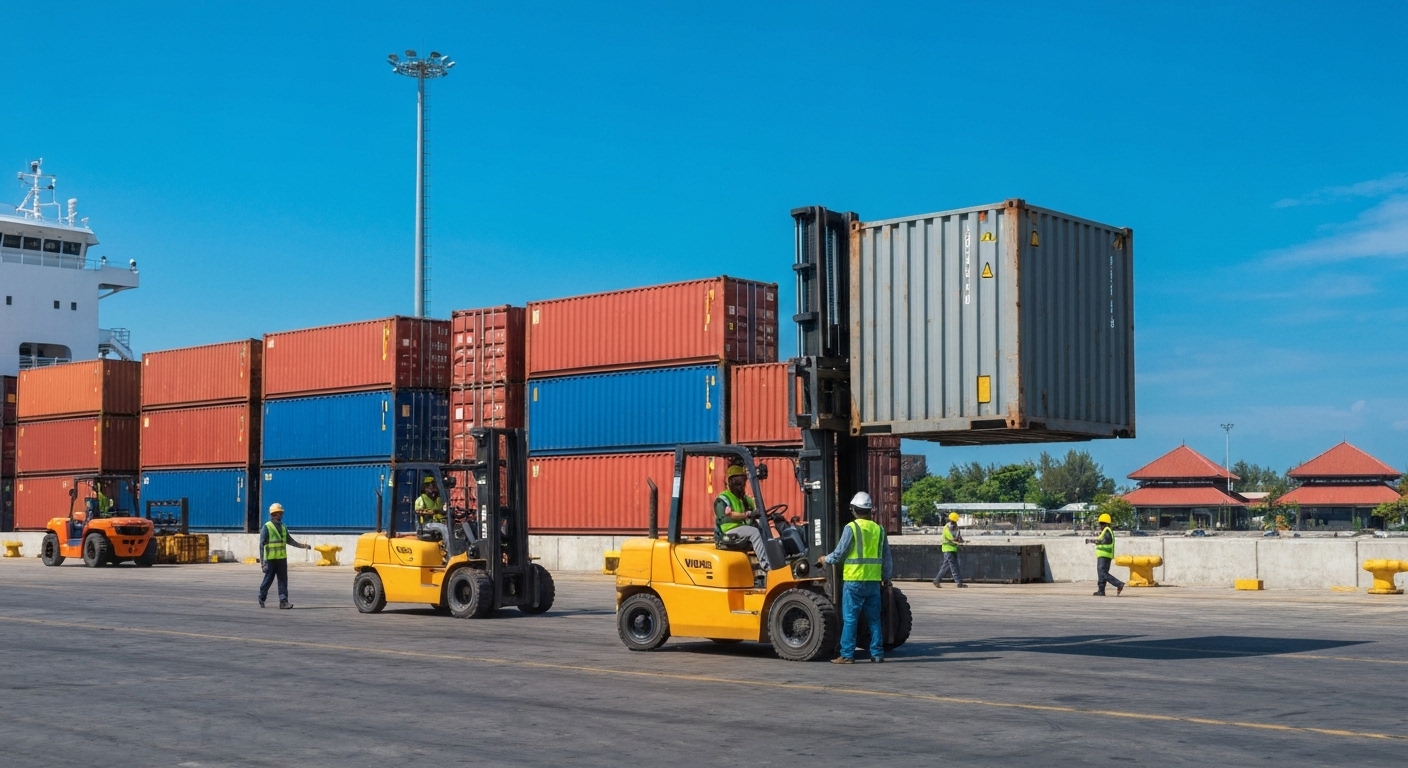
Timelines depend on cargo type, documentation completeness, and whether any category requires additional review, so we do not quote a fixed number of days as a guarantee. Shipments arriving with complete, accurate documentation generally move through the process more smoothly than those where classification is unclear or permits are missing. We flag potential issues before the vessel or cargo arrives wherever possible, since resolving a documentation gap in advance is almost always faster than resolving it after the shipment is already sitting at the port.

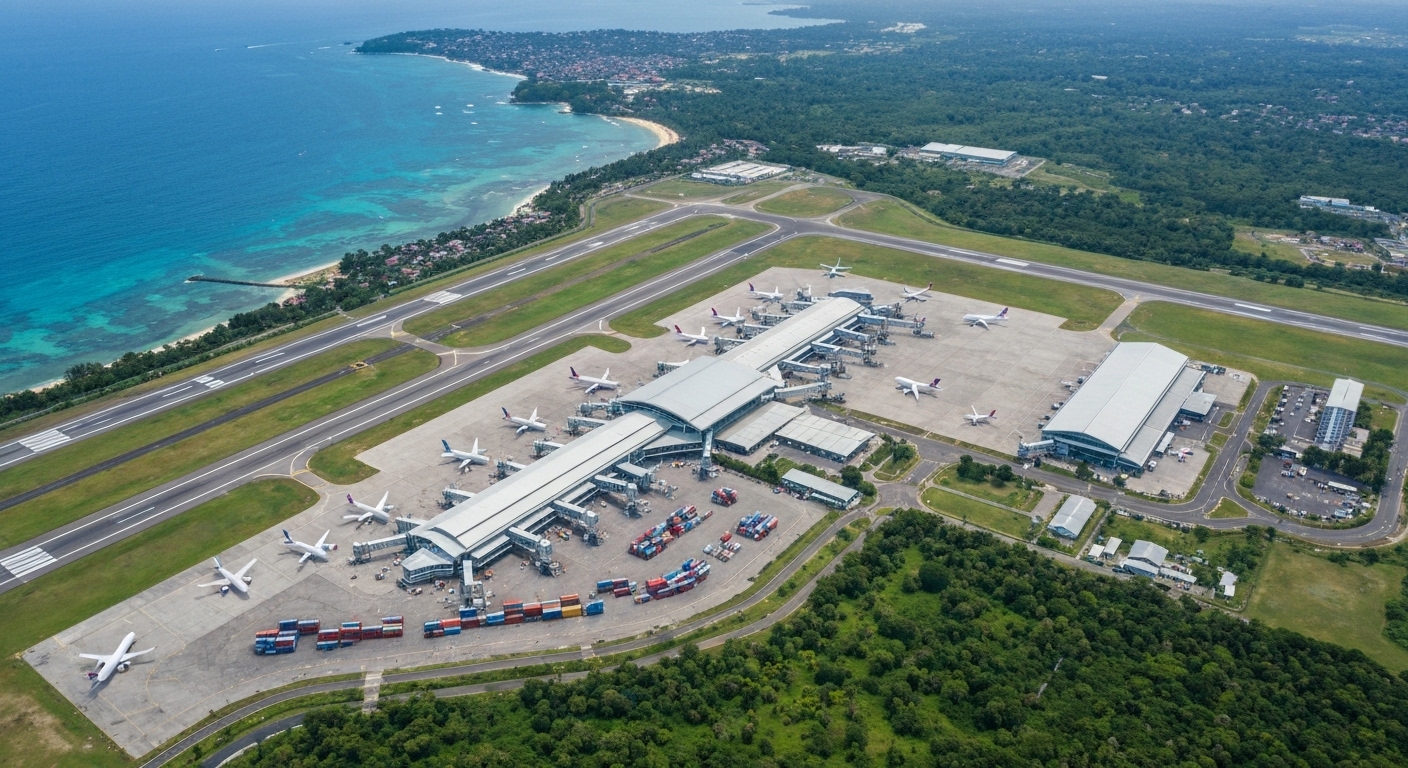
Air cargo through Ngurah Rai and sea cargo through Benoa follow the same underlying customs regulations, but the practical process differs because of how each facility operates. Air cargo tends to move faster but is generally more limited in volume and cost-efficient mainly for smaller or higher-value shipments, while Benoa handles bulk volume more economically but with longer transit and port dwell times. Businesses shipping a mix of urgent and bulk goods sometimes use both routes for different parts of the same order, and our team can help coordinate which cargo makes sense through which port based on your timeline and budget.
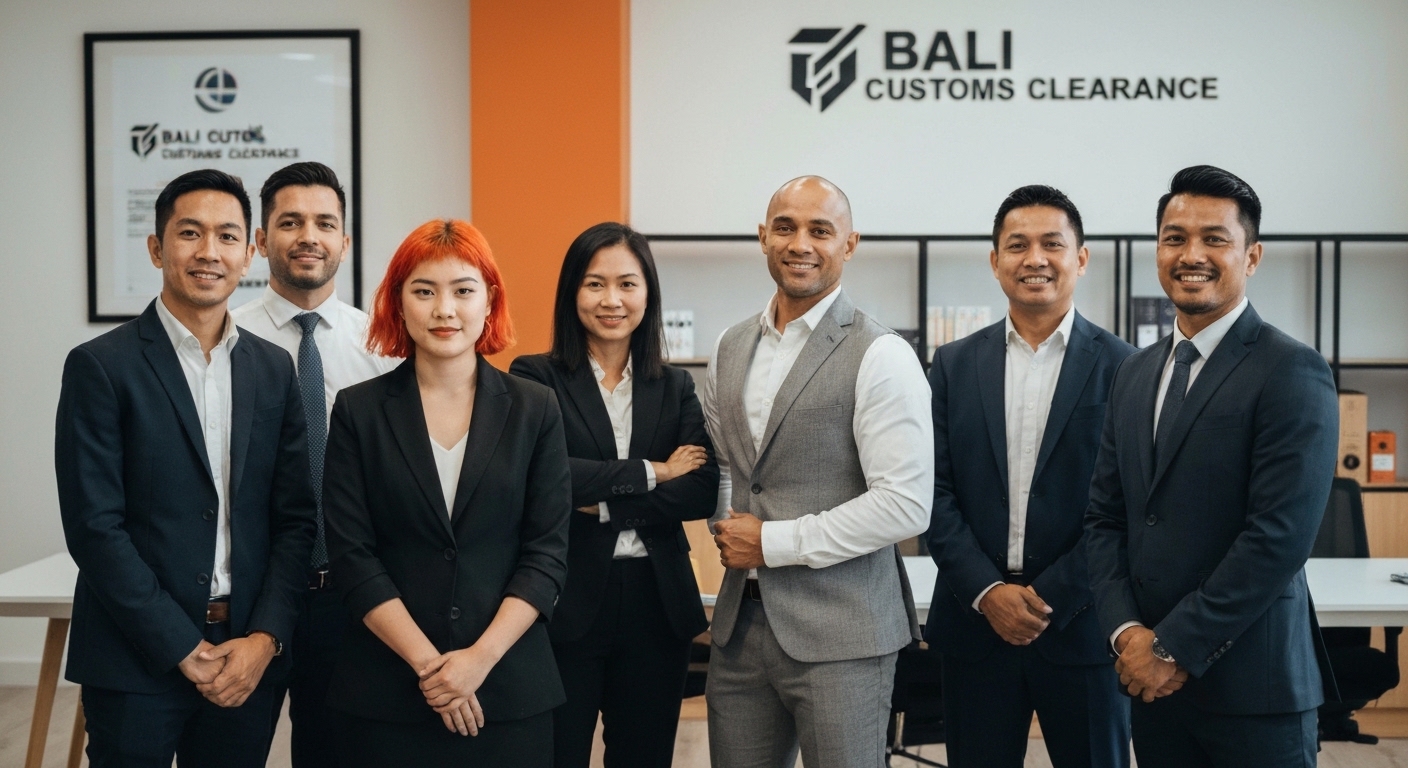
Operating under Bali Premium Trip, our team coordinates both commercial sea freight and yacht clearance through Benoa, handling document preparation, liaison with port and customs officials, and follow-up if a shipment is queried or held. We do not control customs decisions, which remain with the relevant authorities, but we work to keep your side of the process complete and current so delays are minimized wherever the regulations allow.
Can Bali Customs Clearance handle both LCL and FCL shipments through Benoa? Yes, we support both, and the right choice depends on your cargo volume and timeline — we can walk you through the tradeoffs for your specific shipment.
Do I need to notify you before my yacht arrives at Benoa? Yes, we recommend contacting us well ahead of arrival so vessel and crew documentation can be reviewed and any permits arranged in advance.
What happens if my cargo is selected for physical inspection? Customs officers may conduct inspections as part of standard procedure; our team coordinates during this process and follows up on next steps until the shipment is resolved.
To arrange customs clearance for cargo or a vessel through Benoa Port, contact our team on WhatsApp at +62 811-3941-4563 or email [email protected].
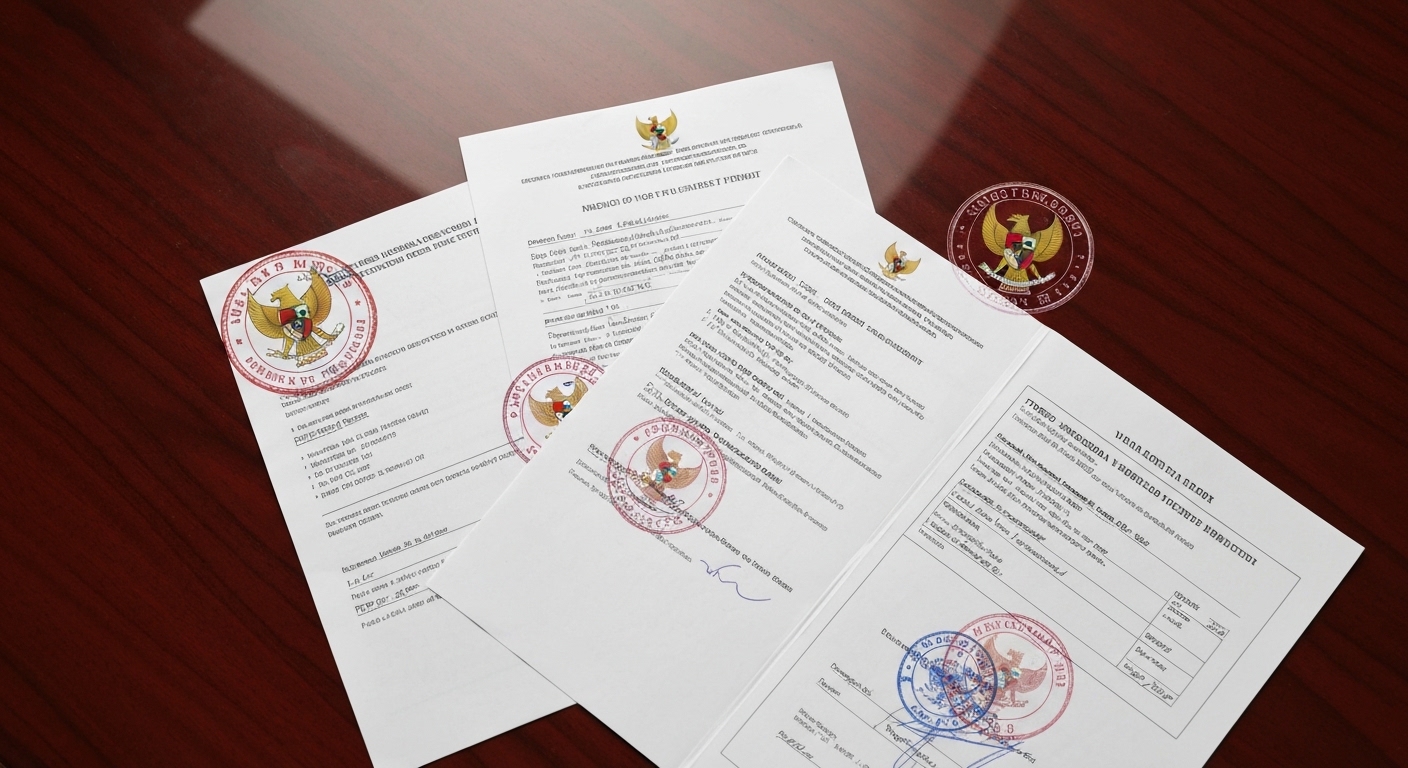
Our Workflow

Send us the invoice, packing list and bill of lading. We confirm the HS code, estimate landed cost and flag any permit needed before the cargo sails.
Import licence, LARTAS permits and supporting certificates prepared and lodged, so nothing stalls the consignment on arrival.
PIB filed through CEISA, channel assignment monitored, and import duty, VAT and PPh 22 settled on your behalf.
Cargo released from the terminal and delivered to your address anywhere in Bali, with the full document set handed back to you.
On the Ground

Keep Reading
Get in Touch
Send your documents and we will come back with the realistic route, timeline and landed cost — reviewed by a licensed PPJK broker, not an estimate bot.
Handled by BD Juara Holding Group