Indonesian pharmaceutical import regulations are governed primarily by BPOM, the Ministry of Health (Kemenkes), and the Directorate General of Customs and Excise (DJBC). All pharmaceutical products entering Indonesia must be registered with BPOM and imported by a licensed pharmaceutical company holding an Angka Pengenal Importir (API) or through an authorized distributor. The registration process verifies that products meet Indonesian pharmacopoeia standards, GMP (Good Manufacturing Practice) certification from the manufacturing facility, and proper labeling requirements including Bahasa Indonesia translations.
Certain pharmaceutical categories face additional restrictions under the LARTAS (Larangan dan Pembatasan) system. Narcotic and psychotropic substances require special import permits from the Ministry of Health. Precursor chemicals used in pharmaceutical manufacturing require permits from the National Narcotics Agency (BNN). Medical devices must comply with Kemenkes registration requirements and may require clinical evaluation data. Our regulatory affairs team maintains current knowledge of all applicable regulations and guides clients through the complete compliance process.
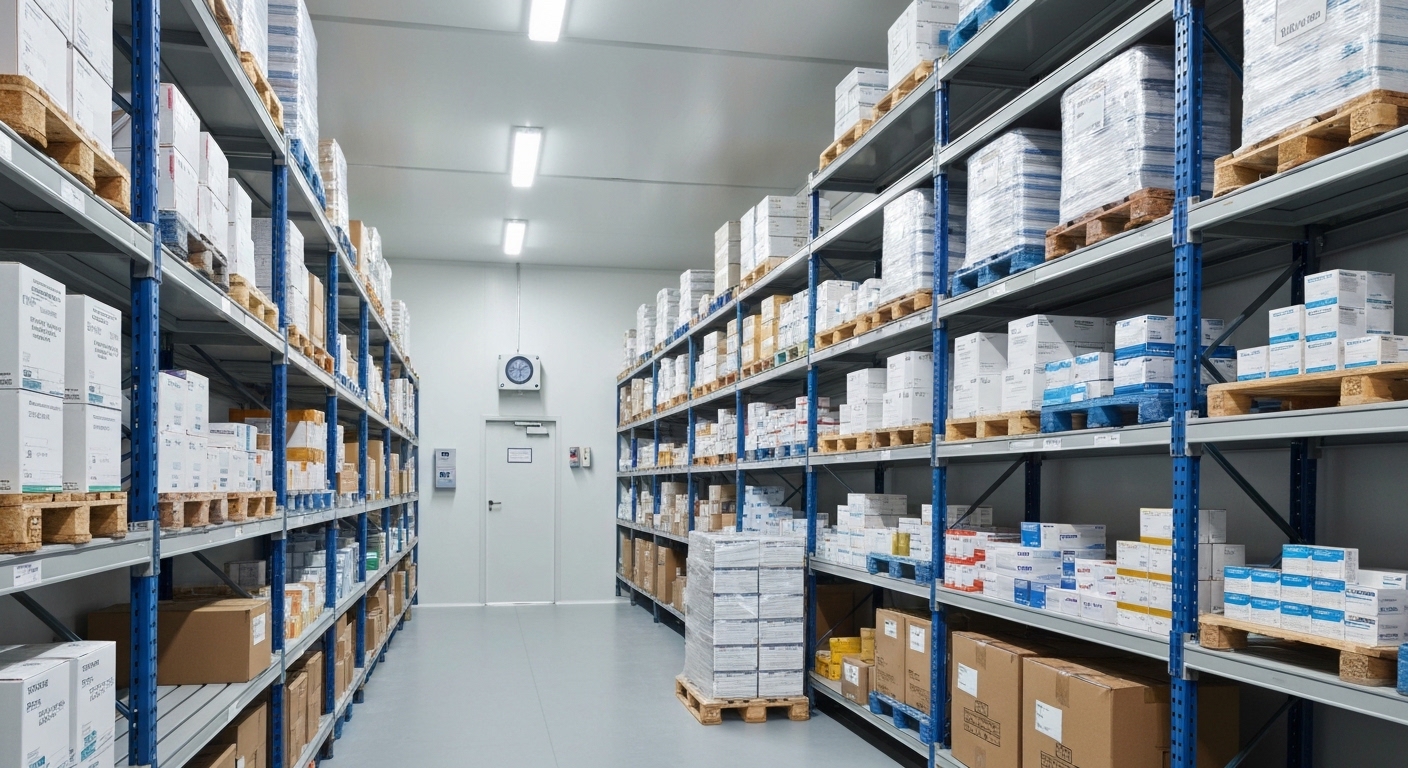
The customs clearance process for pharmaceuticals involves enhanced scrutiny compared to general cargo. Customs officials verify BPOM registration numbers, check lot numbers against import permit documentation, may request laboratory analysis certificates, and inspect packaging integrity. For controlled substances, additional security protocols apply including witnessed counting, secure storage, and chain-of-custody documentation. Our pharmaceutical customs specialists prepare all documentation in advance to minimize clearance delays and ensure full regulatory compliance.