Integrated Bali logistics and customs clearance: shipping, clearance, warehousing, inland delivery via Ngurah Rai and Benoa. Case-by-case handling.
15+
Years Experience
5,000+
Shipments Cleared
98%
On-Time Rate
24/7
Support Available
Overview
When freight forwarding and customs clearance are managed by separate, uncoordinated vendors, information gaps are common — a forwarder may not know exactly what documentation customs will require for a specific HS code, while a customs broker may not have visibility into shipping schedules or warehouse capacity. Bringing both functions under one coordinating desk reduces those gaps: the same team that tracks your shipment's arrival is the one preparing the clearance documentation, so nothing falls through the cracks between the two stages.
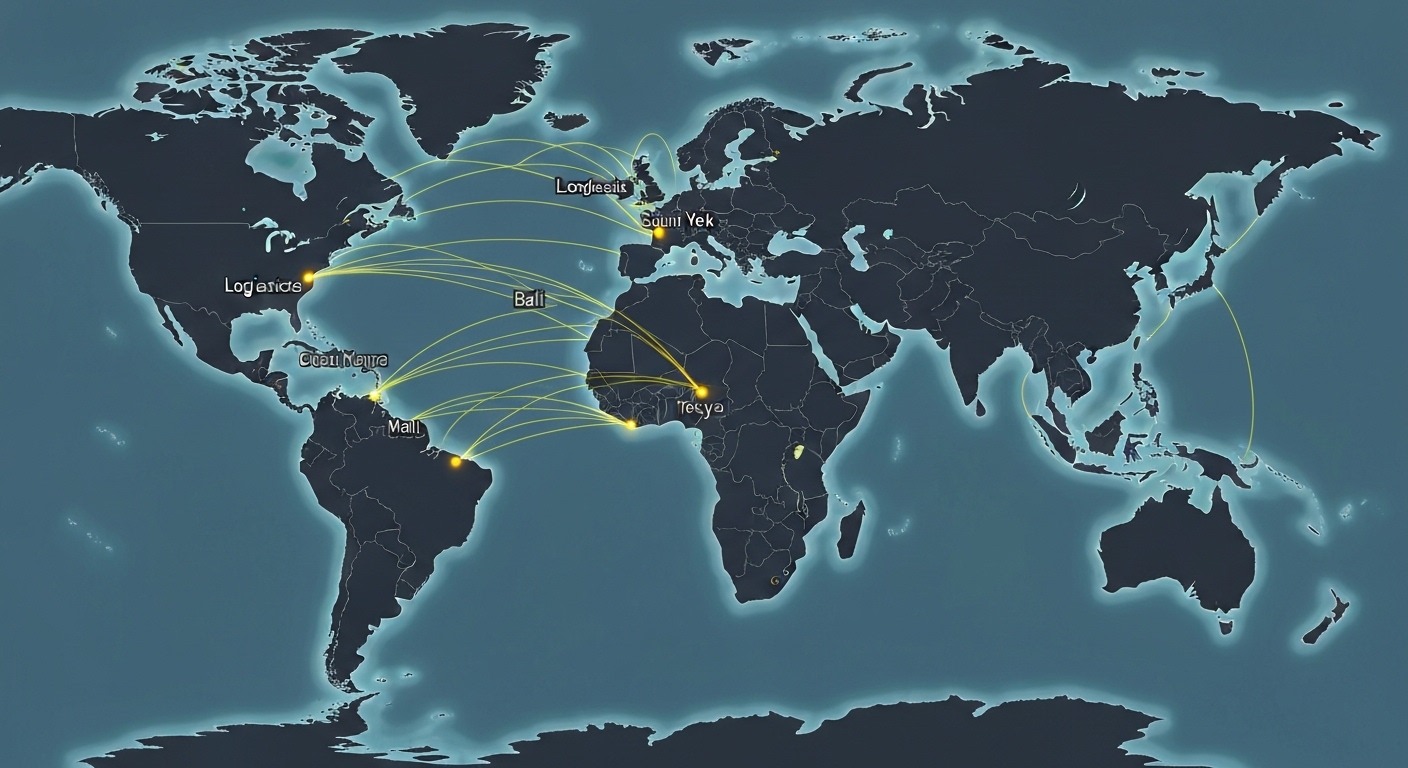 Licensed PPJK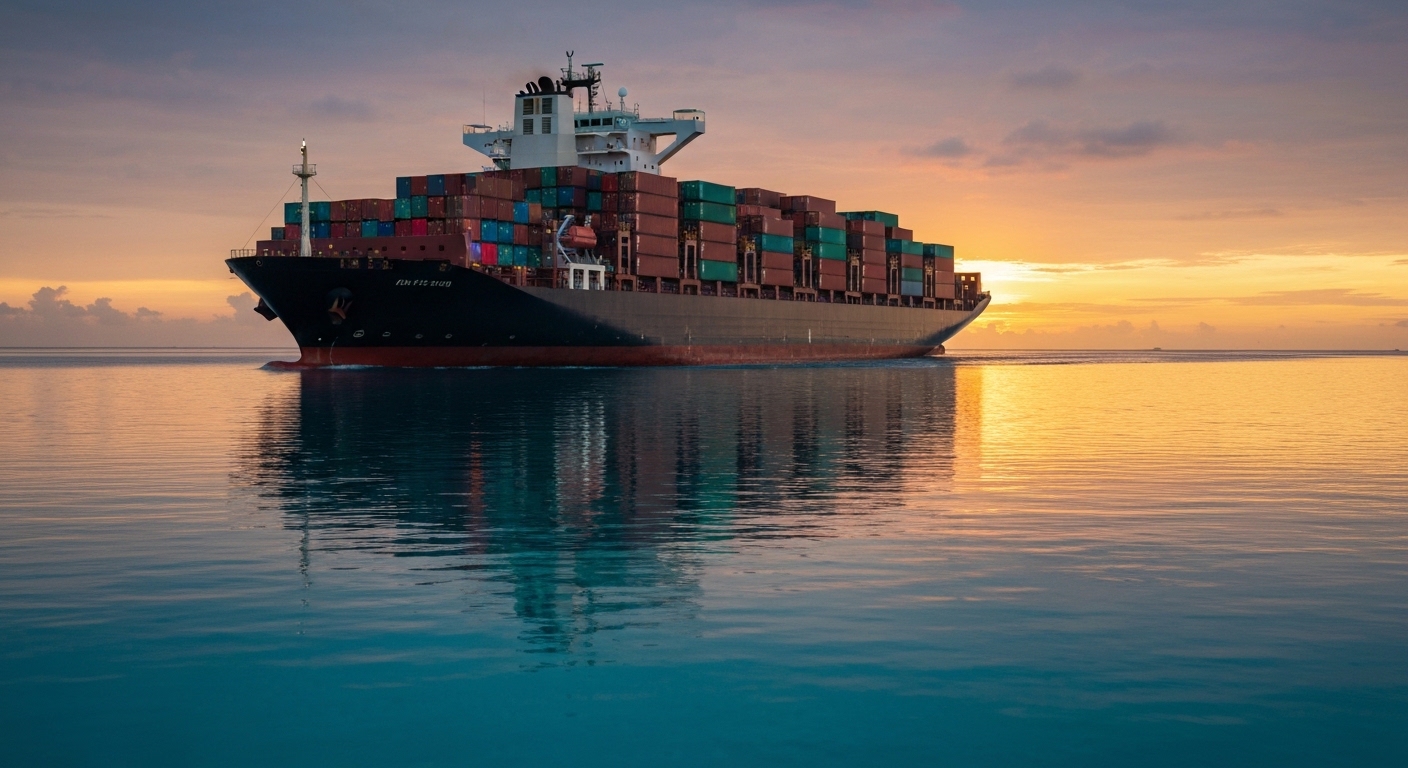
Companies with recurring shipments — hotels restocking supplies, construction firms bringing in materials, or businesses managing regular commercial import volumes — gain the most from a single coordinating desk, since repeat shipments benefit from consistent documentation practices and a team that already understands the company's product categories. That said, one-off shipments and first-time importers are equally welcome; the coordination benefit simply compounds over time as the desk becomes familiar with a client's specific goods and supply chain.
Freight cost, warehousing fees, and customs duty are three separate cost components, each governed by different variables — carrier rates and fuel surcharges for freight, storage duration for warehousing, and HS code classification plus declared value for duty. Because duty and tax figures are determined by Indonesian customs authorities at the point of declaration and can change, and because logistics rates fluctuate with market conditions, we do not quote a single fixed all-in price without first reviewing the specific shipment. What we provide is a breakdown of each component so a company can see where costs come from, with duty and clearance timing always confirmed case by case against current customs requirements.
Some categories of goods require extra coordination regardless of how well logistics and customs are integrated — for example dangerous goods, pharmaceutical products, or items falling under restricted/prohibited goods (lartas) lists that require permits from a technical ministry before customs will release them. If your shipment includes any of these categories, flag it during the initial consultation so the additional permit steps can be planned into the timeline rather than discovered after the cargo has already arrived.
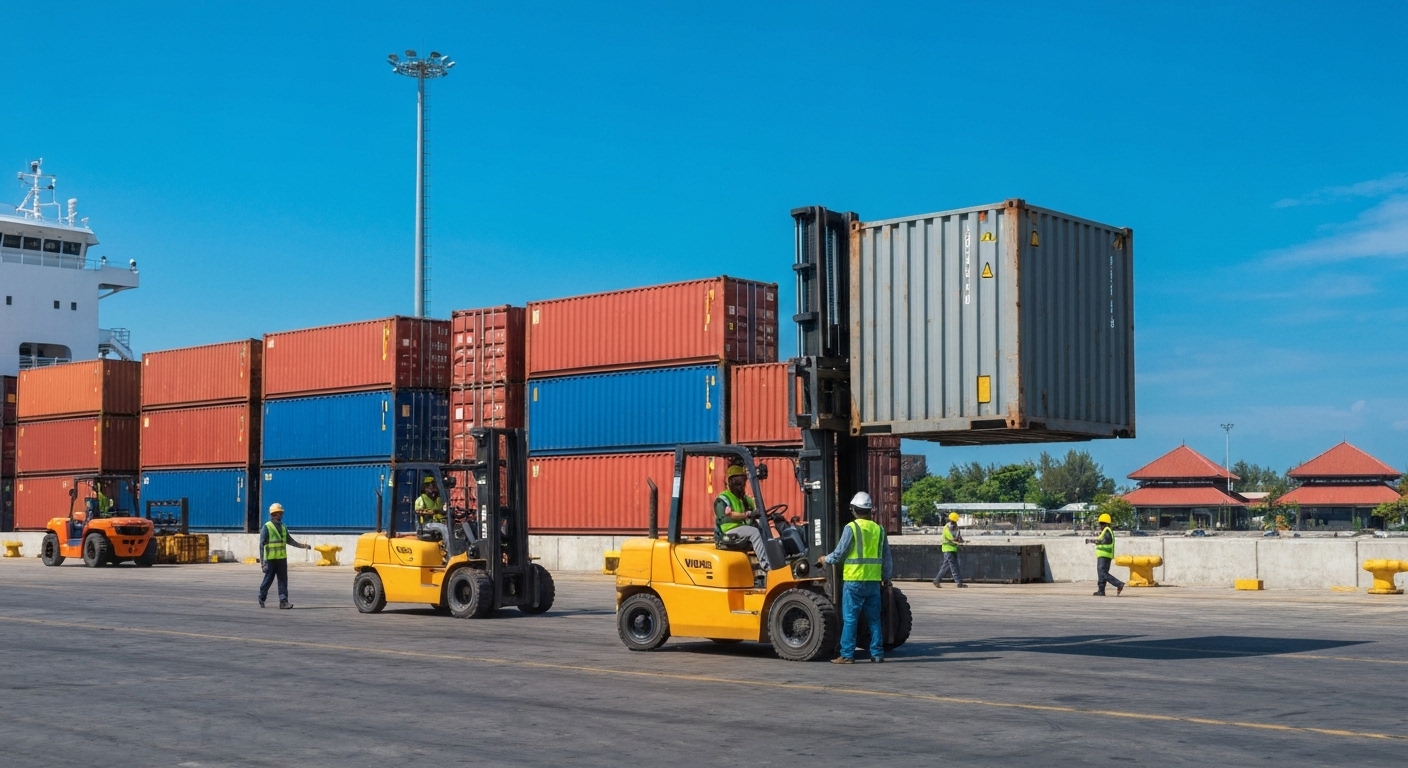
With this information, our desk can map out a realistic process flow, though final duty amounts, required documents, and any restricted-goods status must still be confirmed with Indonesian customs at the time of shipment, since rules and their application can vary by case and change over time.

Our client base spans multiple industries active in Bali — hospitality groups managing hotel and resort supplies, construction companies, F&B businesses handling export shipments, and companies bringing in commercial equipment or stock. Each sector carries its own documentation patterns, which is part of why we scope every engagement individually rather than applying a one-size-fits-all process.
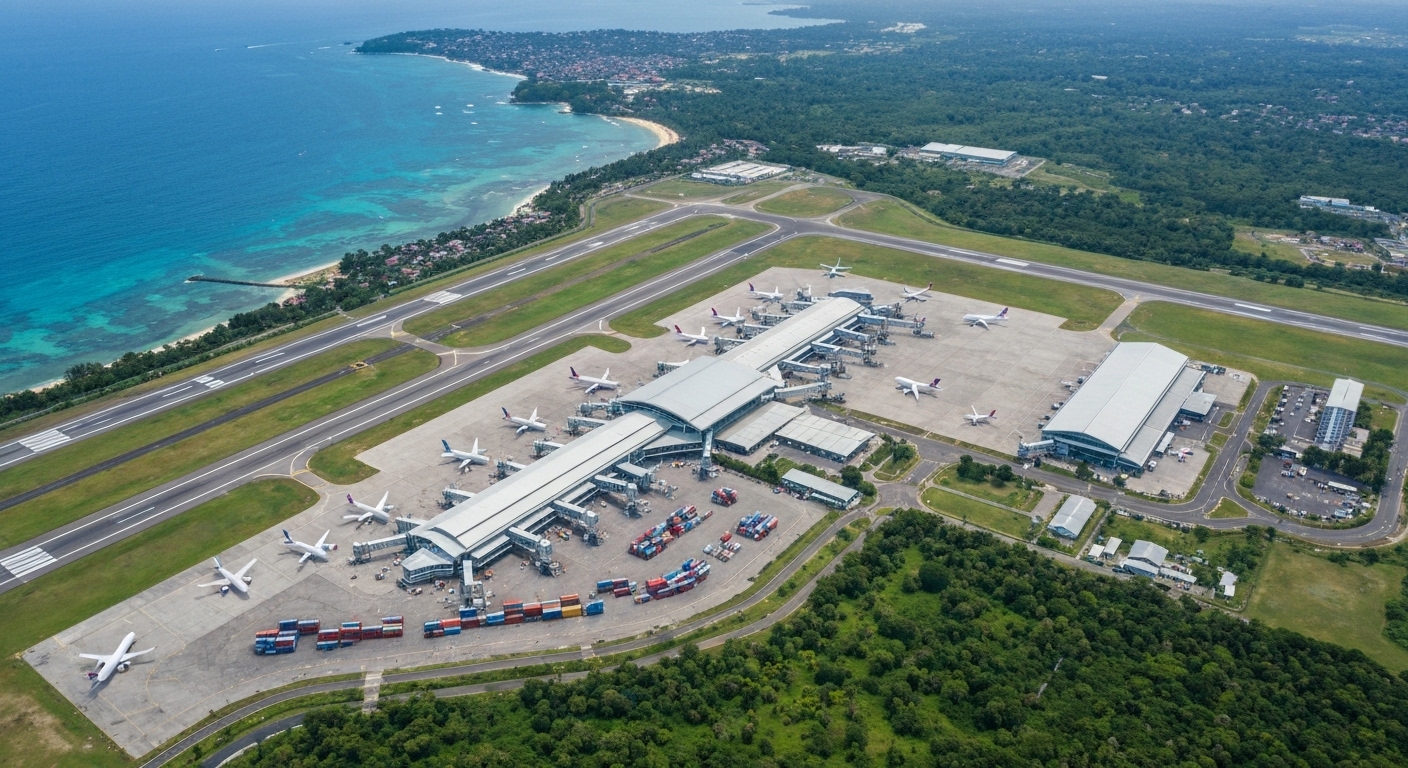
The alternative to an integrated desk is managing three or four separate vendors — a freight forwarder, a customs broker, a warehouse operator, and a trucking company — each with their own communication channel and timeline assumptions. When a shipment hits an unexpected snag, such as a document mismatch flagged during clearance, the delay in relaying that information between vendors can add days that have nothing to do with the underlying customs issue itself. A single coordinating desk removes that relay delay, since the team preparing your clearance paperwork is the same one tracking your freight and arranging onward delivery.
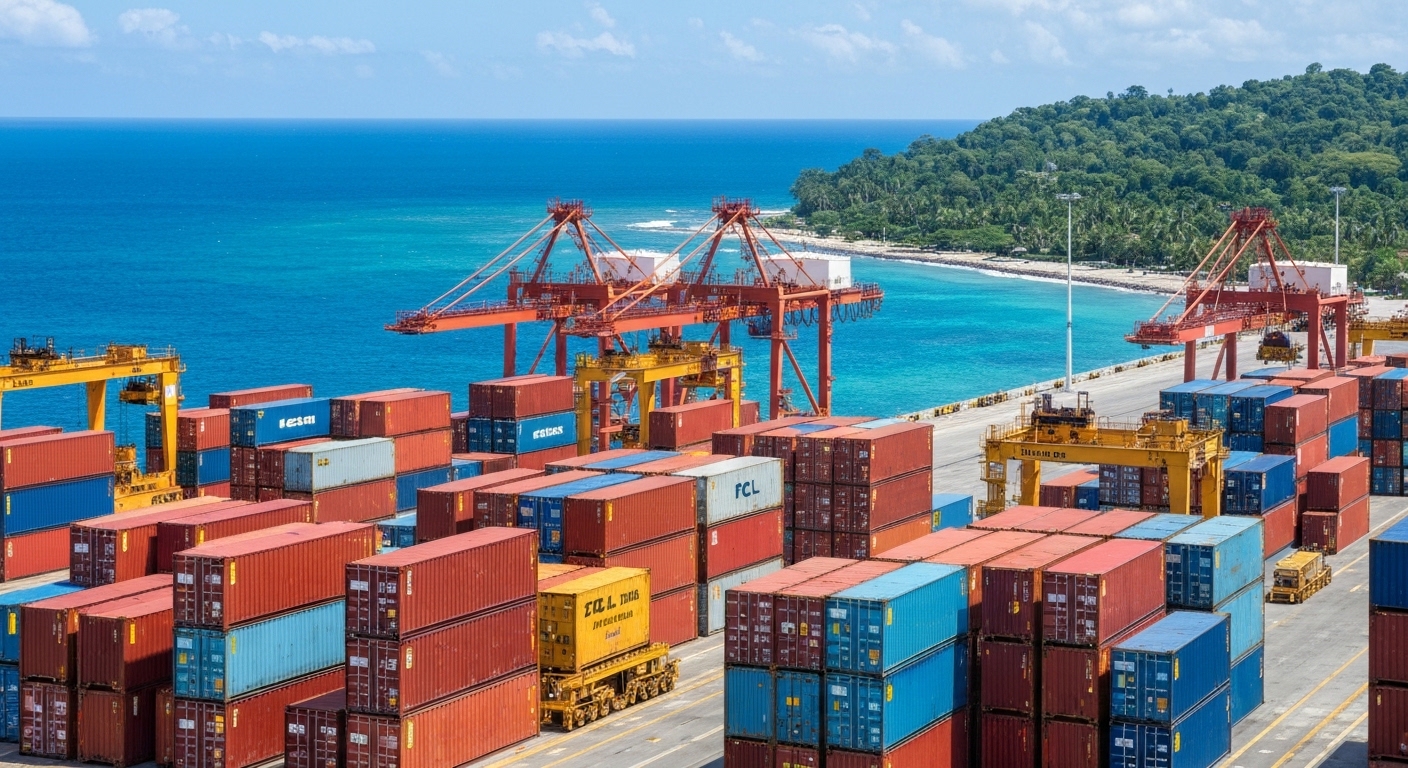
Many companies start with a single trial shipment before committing to Bali as a regular supply route. This is a reasonable way to test the process: it lets you see firsthand how documentation, classification, and delivery play out for your specific goods before scaling to recurring volumes. As shipment frequency increases, our desk can also advise on whether a standing commercial import arrangement or bonded storage makes more sense than handling each shipment as a one-off transaction, depending on your inventory and cash flow needs.
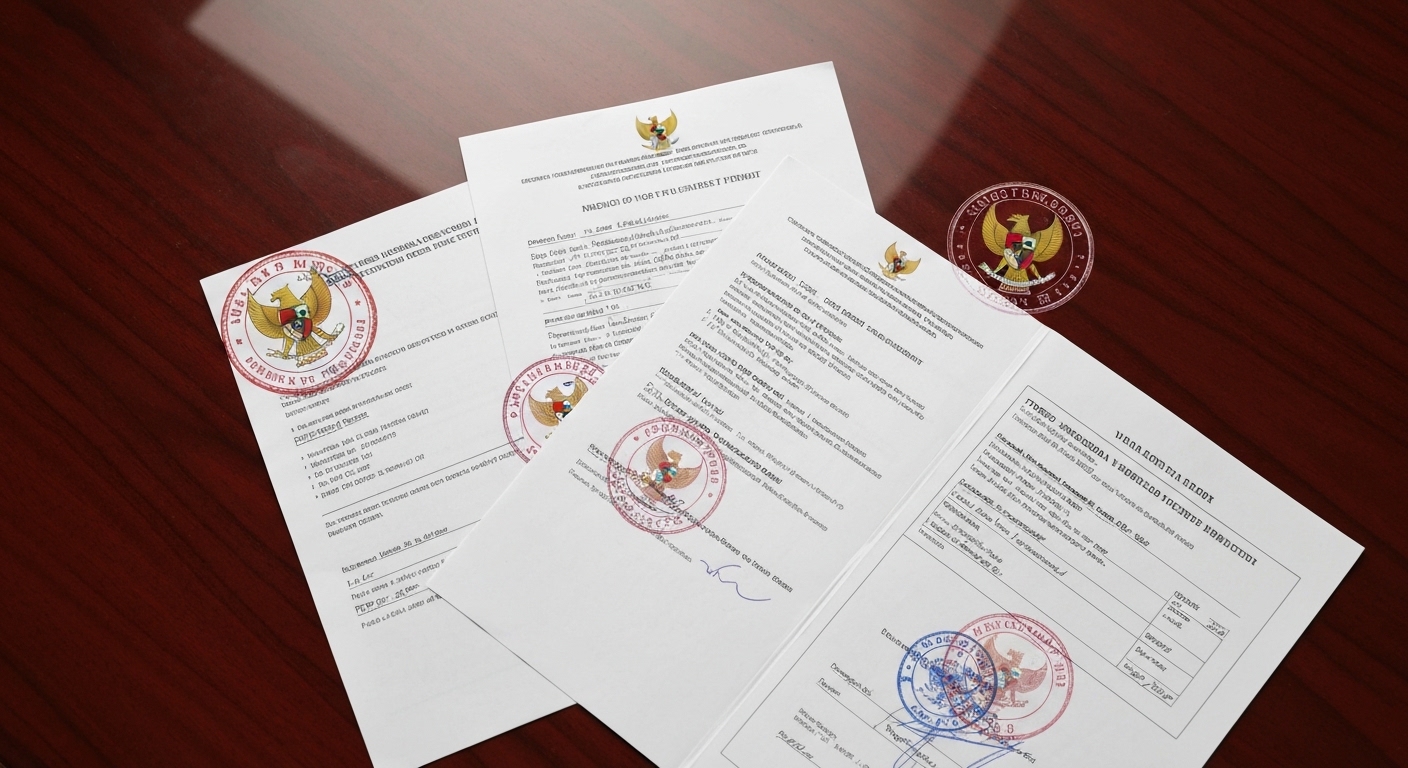
| Question | Short answer |
|---|---|
| Can you guarantee a fixed clearance timeline? | No — timing depends on the customs risk-based inspection channel assigned to each shipment, which is outside any provider's control. |
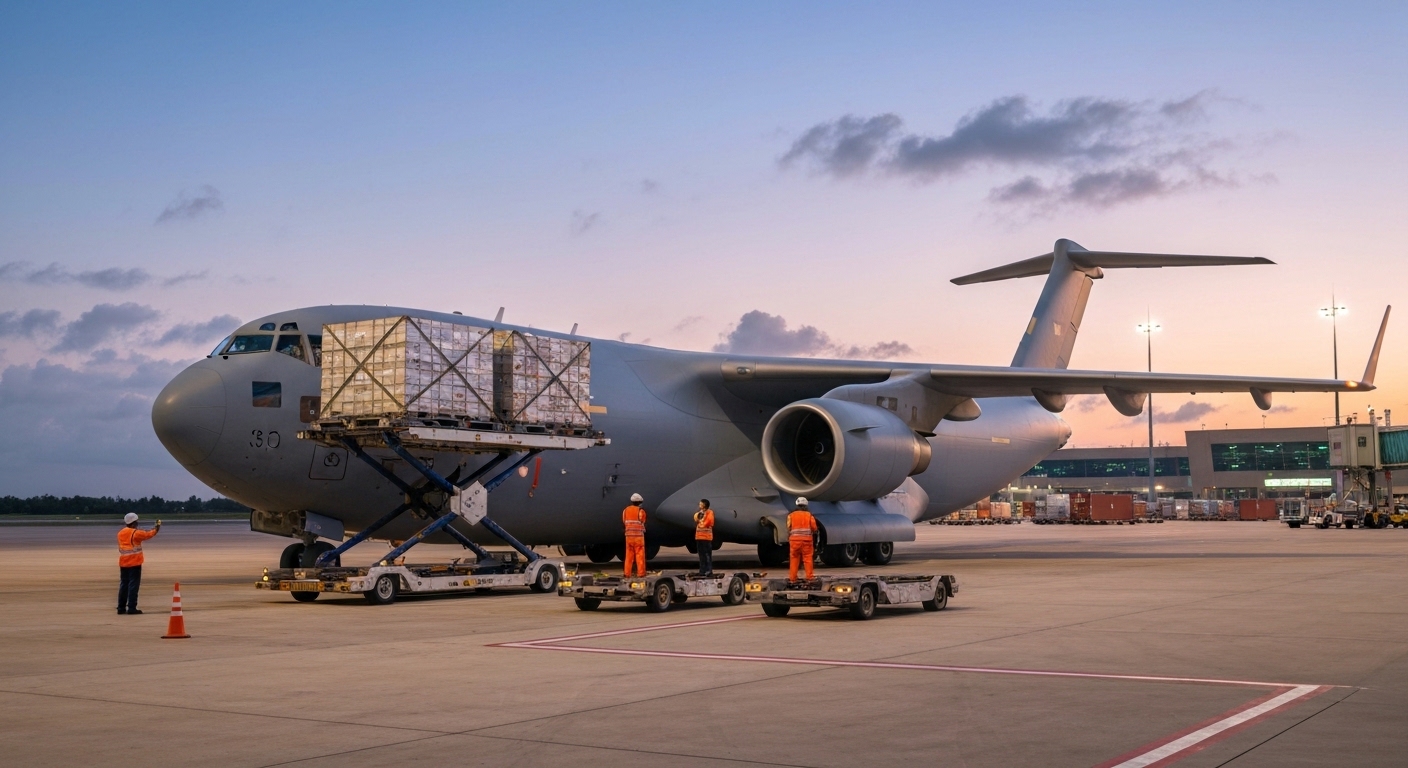
| Do you handle both air and sea shipments in one engagement? | Yes, and mixed shipments (some by air, some by sea) can be coordinated under one project if needed. |
| Is warehousing mandatory? | No — it is offered for companies that need staging time before final delivery or distribution. |
To discuss an integrated logistics and customs solution for your company, contact our business desk via WhatsApp +62 811-3941-4563 or email [email protected].

Our Workflow

Send us the invoice, packing list and bill of lading. We confirm the HS code, estimate landed cost and flag any permit needed before the cargo sails.
Import licence, LARTAS permits and supporting certificates prepared and lodged, so nothing stalls the consignment on arrival.
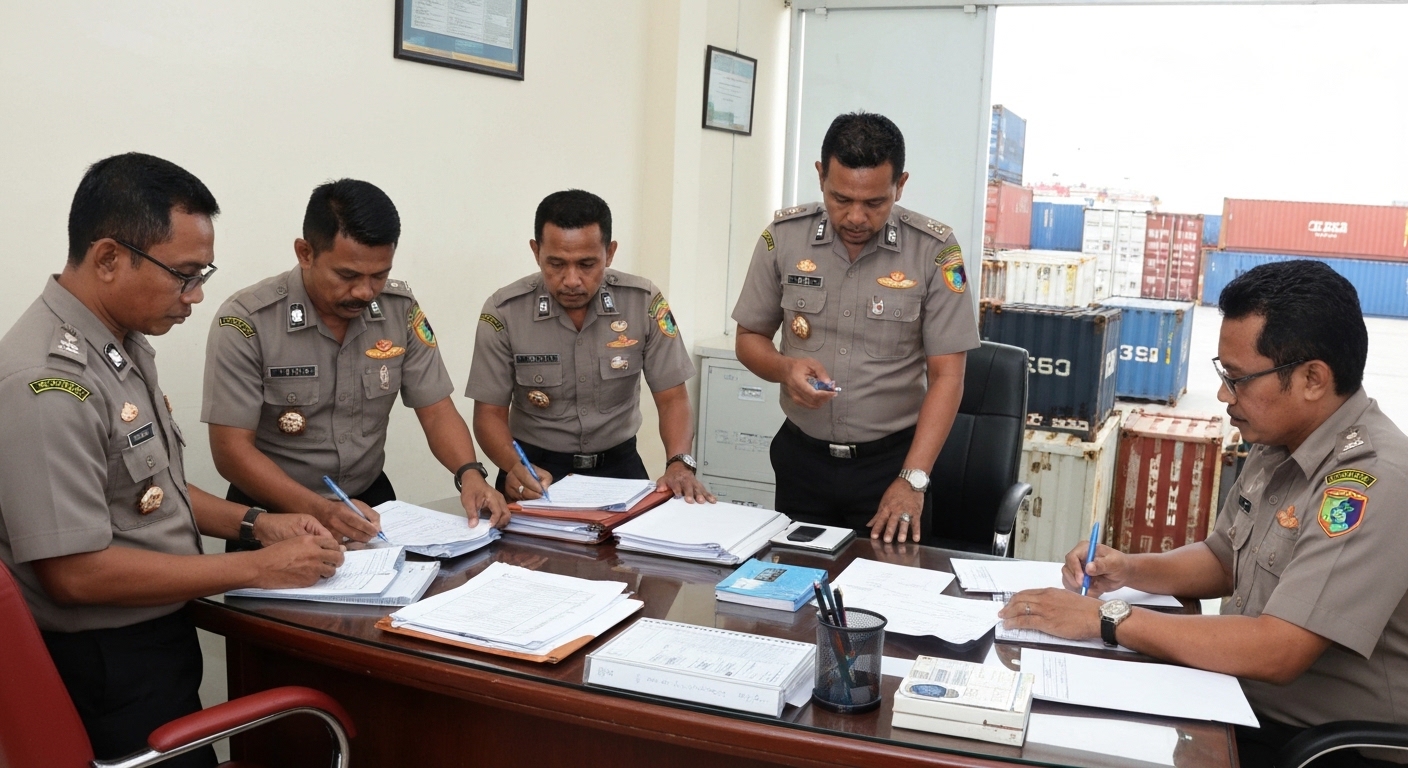
PIB filed through CEISA, channel assignment monitored, and import duty, VAT and PPh 22 settled on your behalf.
Cargo released from the terminal and delivered to your address anywhere in Bali, with the full document set handed back to you.
On the Ground
Keep Reading
Get in Touch
Send your documents and we will come back with the realistic route, timeline and landed cost — reviewed by a licensed PPJK broker, not an estimate bot.
Handled by BD Juara Holding Group