


KITAS Customs Benefits: Duty-Free Personal Effects Guide
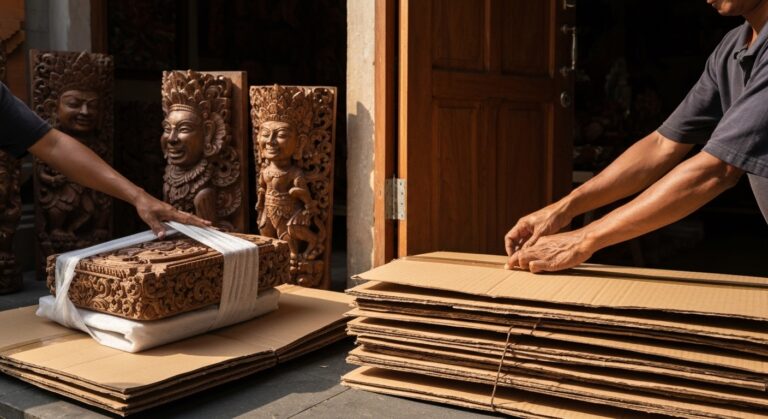
Moving to Bali for an extended stay, whether for work, investment, or retirement, often involves bringing your essential personal belongings. Navigating Indonesian customs regulations can seem daunting, especially potential import duties and taxes. Fortunately, for those holding a KITAS (Kartu Izin Tinggal Terbatas – Limited Stay Permit Card), there are significant benefits that can alleviate these concerns. This guide will into the specifics of kitas customs duty free import, helping you understand how to bring your personal effects into Indonesia without incurring unnecessary charges. We will explore the eligibility criteria, the types of goods that qualify, and the process involved to ensure a smooth and cost-effective relocation to the Island of the Gods.
Understanding KITAS and its Customs Implications
A KITAS is an official document issued by the Indonesian immigration authorities that grants a foreigner the right to reside in Indonesia for a limited period. It is typically required for expatriates working, investing, or joining family members in the country. Beyond immigration, a KITAS can also unlock certain customs privileges, most notably the ability to import personal effects without paying import duties and taxes. This benefit is designed to facilitate the relocation of individuals who are establishing a life in Indonesia, making the transition more manageable and cost-effective. It acknowledges that these individuals are not importing goods for commercial purposes but rather to furnish their new homes and support their daily lives.
Eligibility Criteria for Duty-Free Import
To avail of the duty-free import of personal effects under a KITAS, several key criteria must be met. These are primarily governed by Indonesian Directorate General of Customs and Excise (DJBC) regulations. The most crucial aspects include:
- Valid KITAS: You must possess a valid KITAS or KITAP (Kartu Izin Tinggal Tetap – Permanent Stay Permit Card) at the time of import. The permit should be active and officially recognized.
- Ownership and Usage Period: The personal effects must have been owned and used by you in your previous country of residence for a minimum period, typically at least six months to one year prior to your relocation. This is to distinguish personal belongings from commercial goods.
- Timing of Import: The goods must generally be imported within a specific timeframe before or after your arrival in Indonesia. This window is usually around three months before your arrival and up to three months after. It’s essential to confirm these exact periods with customs authorities or a customs clearance agent.
- Non-Commercial Nature: The items must be for personal use and not intended for sale, commercial distribution, or any other business activity. This includes household goods, furniture, personal electronics, and clothing.
- Declaration and Documentation: A comprehensive inventory list of all items being imported, along with their estimated values, is mandatory. This list, often referred to as a packing list, needs to be declared to customs.
What Personal Effects Qualify for Duty-Free Import?
The scope of personal effects that can be imported duty-free under a KITAS is broad, encompassing most items necessary for daily living and establishing a household. Common examples include:
- Household Furniture: Tables, chairs, sofas, beds, wardrobes, etc.
- Kitchenware: Utensils, crockery, appliances (e.g., refrigerators, washing machines, microwaves) that are for personal use.
- Personal Electronics: Televisions, computers, sound systems, and other personal gadgets. Note that restrictions may apply to certain high-value or sensitive electronics.
- Clothing and Personal Accessories: All your apparel, shoes, bags, and personal adornments.
- Books and Reading Materials: Personal libraries and educational materials.
- Tools of Trade (limited): In some cases, tools and equipment necessary for your profession might be allowed, provided they are for personal use and not for commercial operations. This often requires specific approvals and detailed justification.
- Vehicles: Importing a vehicle duty-free is a more complex process and often subject to stricter regulations and specific conditions, sometimes tied to investment or diplomatic status. For most KITAS holders, it’s generally not a straightforward duty-free import.
It is crucial to understand that items intended for commercial resale, prohibited goods, or certain controlled items (like firearms, explosives, and large quantities of alcohol or tobacco) are not eligible for duty-free import. Always consult the latest DJBC regulations or a professional for clarification on specific items.
The Customs Clearance Process for KITAS Holders
The process for clearing your personal effects as a KITAS holder involves several steps, and having a reliable customs clearance Bali agent can significantly simplify matters. Here’s a general overview:
- Pre-Arrival Preparation: Before shipping your belongings, prepare a detailed inventory list (packing list) in English. This list should include a description of each item and its estimated value.
- Shipping and Documentation: When your goods arrive at the Indonesian port or airport, the shipping agent will notify you. You will need to provide your valid KITAS, passport, and other relevant documents to your chosen customs broker or agent.
- Customs Declaration: Your agent will file the necessary customs declarations on your behalf, declaring the goods as personal effects for a KITAS holder. This includes submitting the packing list and other supporting documents.
- Customs Inspection: Customs authorities may choose to inspect your shipment. This is standard procedure to verify that the declared items match the actual contents and that they comply with regulations.
- Duty Exemption Approval: If all conditions are met, the customs authorities will grant an exemption from import duties and taxes for your eligible personal effects.
- Delivery: Once clearance is granted, your goods can be released and delivered to your new residence.
The exact procedures and required documents can vary, so engaging a professional freight forwarder or shipping agent experienced in handling expatriate relocations is highly recommended. They can guide you through each stage, ensure all paperwork is correctly submitted, and help avoid potential delays or unexpected charges, especially concerning Bali import tax.
Navigating Potential Challenges and Best Practices
While the duty-free import of personal effects is a significant benefit for KITAS holders, there are potential challenges to be aware of. Overlooking details can lead to delays, additional costs, or even the confiscation of goods. Here are some best practices to ensure a smooth process:
- Accurate Inventory: Be meticulously accurate with your inventory list. Under-declaring or over-declaring values can cause issues. Ensure the list is comprehensive and reflects the actual contents of your shipment.
- Timeliness: Adhere strictly to the import timelines. Missing the window for duty-free import can result in your goods being subject to standard import duties and taxes.
- Prohibited Items: Familiarize yourself with a list of prohibited and restricted items in Indonesia. This includes certain types of plants, animals, medications, and cultural artifacts.
- Professional Assistance: As mentioned, a reputable customs clearance Bali agent or shipping agent can be invaluable. They understand the nuances of Indonesian customs law and can navigate the bureaucracy efficiently.
- Communication: Maintain open communication with your shipping company, customs agent, and Indonesian immigration. Any discrepancies or required clarifications should be addressed promptly.
- Keep Records: Retain copies of all documents submitted to customs, including your packing list, KITAS, passport, and any communication from the authorities.
Understanding the role of a freight forwarder in coordinating the logistics and ensuring compliance is crucial. They can manage the movement of your goods from origin to destination while ensuring all regulatory requirements are met, including accurate declarations for kitas customs duty free import.
Frequently Asked Questions
Q1: Can I import a new car duty-free with my KITAS?
A1: Generally, importing new vehicles duty-free with a standard KITAS is not permitted. The regulations for vehicle imports are more stringent and often tied to specific investment visas or diplomatic statuses. It’s advisable to consult with customs authorities or a specialized agent for specific guidance.
Q2: How long does the customs clearance process usually take?
A2: The duration of customs clearance can vary depending on the volume of shipments, the complexity of the goods, and the efficiency of the customs authorities and your agent. Typically, for personal effects, it can take anywhere from a few days to a couple of weeks once all documentation is correctly submitted.
Q3: What if I want to import items that are not considered personal effects?
A3: Items not classified as personal effects, such as those intended for commercial use or new items purchased for immediate resale, will be subject to standard Indonesian import duties, taxes (including VAT of 11%), and potentially other import regulations. You will need to follow the procedures for commercial imports.
Q4: Can I send my personal effects before my KITAS is officially issued?
A4: While you can ship your belongings before your KITAS is finalized, the duty-free import privilege is typically granted only once you possess a valid KITAS or KITAP. You might need to pay provisional duties or arrange for warehousing until your permit is issued and you can claim the exemption. It’s best to coordinate the shipping timeline with your KITAS application status.