15+
Years Experience
5,000+
Shipments Cleared
98%
On-Time Rate
24/7
Support Available
Overview
Embarking on the journey to car import Bali is an exciting prospect, whether you're a resident planning to bring your beloved vehicle to the Island of the Gods or a business looking to import fleet vehicles. intricate Indonesian customs regulations can be daunting, but with the right guidance, the process of importing a vehicle to Indonesia becomes significantly smoother. This guide is designed to provide you with a clear understanding of what's involved, from initial planning to final clearance, ensuring your vehicle arrives without unnecessary delays or complications.
 Licensed PPJK
Quick Answer
Quick Answer: Importing a car to Bali (Indonesia) involves obtaining necessary permits, paying import duties and taxes, and complying with specific regulations overseen by the Directorate General of Customs and Excise (DJBC). Bali Customs Clearance acts as your expert partner to manage this complex process efficiently.
What We Handle
complexities of car import Bali requires expertise, local knowledge, and a trusted partner. Bali Customs Clearance offers service, ensuring your vehicle import process is smooth, efficient, and compliant with all Indonesian regulations.
Yes, it is possible to import used cars to Bali, but the regulations are often more stringent than for new vehicles. You may need to provide additional documentation such as a technical inspection certificate from the country of origin and proof that the vehicle meets Indonesian emission standards. The DJBC has specific guidelines for used vehicle imports, and it's advisable to consult with a customs broker like us to ensure compliance.
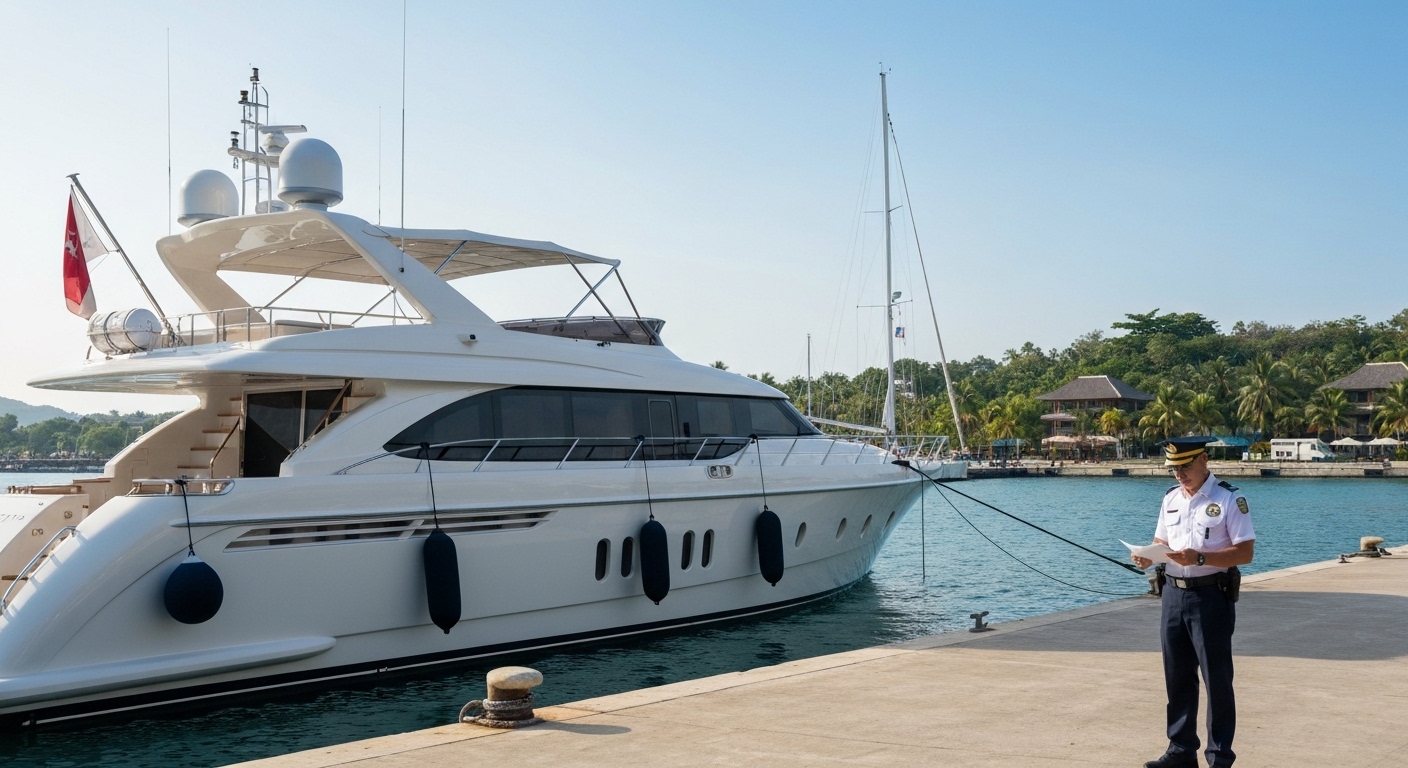
The costs can vary significantly based on the vehicle's value, type, and engine capacity. You can expect to pay an 11% VAT, import duties ranging from 5% to 40%, and potentially a luxury goods sales tax. Other costs may include port handling fees, inspection fees, and brokerage fees. We can provide a detailed breakdown of the estimated Bali import tax and other charges upon receiving your vehicle's details. We also work with licensed PPJK (Pengusaha Pengurusan Jasa Kepabeanan) to ensure all declarations are handled correctly.
The duration of the car import process can vary depending on the completeness of your documentation, the efficiency of customs processing, and any potential inspections required. Generally, with all necessary documents in order and timely payment of duties and taxes, the process can take anywhere from a few days to a couple of weeks. Engaging an experienced customs clearance Bali agent like Bali Customs Clearance can significantly expedite the process.
Car import Bali refers to the legal process of bringing a motor vehicle, such as a car, motorcycle, or other four-wheeled vehicles, into Indonesia, specifically targeting the popular island of Bali as its destination. This process is governed by strict regulations set forth by the Indonesian government, primarily through the Directorate General of Customs and Excise (DJBC). The intention behind these regulations is to manage the influx of vehicles, protect the domestic automotive industry, and ensure that all applicable taxes and duties are collected. Understanding these regulations is crucial for anyone considering importing a vehicle, as non-compliance can lead to significant penalties, including confiscation of the vehicle.
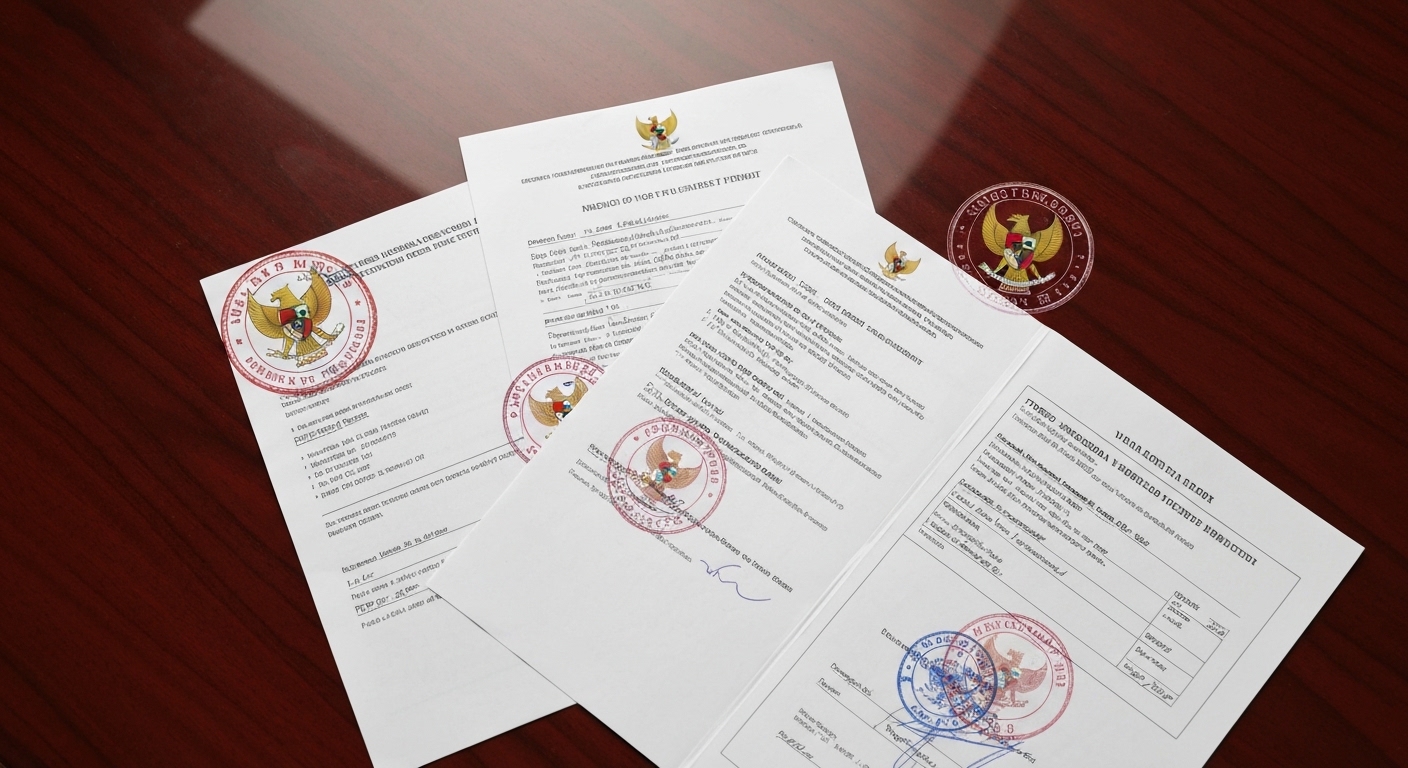
Importing a vehicle to Indonesia, and subsequently to Bali, requires a structured approach. Our expertise as a leading customs clearance Bali service provider ensures we can guide you through each phase seamlessly.
Before your vehicle even leaves its country of origin, meticulous preparation is key. This involves obtaining an Import Approval Letter (Surat Persetujuan Impor - SPI) from the Ministry of Trade if you are importing a new vehicle for commercial purposes, or specific permits for personal vehicle imports, often requiring residency proof. You will also need to gather all essential documentation, including the Bill of Lading (B/L) or Air Waybill (AWB), commercial invoice, packing list, and certificate of origin. For used vehicles, additional inspection certificates might be required. Working with a knowledgeable shipping agent Bali is vital at this stage to ensure all paperwork is accurate and complete.
Upon arrival at the Indonesian port or airport, your vehicle will be held at customs. The next critical step is to submit a Customs Declaration ( Pemberitahuan Impor Barang - PIB) to the DJBC. This declaration details the vehicle's specifications, value, and intended use. Our role as your dedicated freight forwarder involves expertly preparing and submitting this declaration on your behalf, ensuring all information is accurate to avoid any discrepancies. We work closely with the relevant customs authorities to expedite this process.
Once the PIB is accepted, the DJBC will assess the applicable import duties and taxes. For vehicles, this typically includes an 11% Value Added Tax (VAT), import duties ranging from 5% to 40% depending on the vehicle type and engine capacity, and potentially luxury goods sales tax (PPnBM). You will need to pay these assessed amounts. As your trusted Bali customs clearance agent, we will calculate these costs accurately and facilitate the payment process. After payment and successful inspection, the DJBC will issue a release order, allowing you to take possession of your imported vehicle.
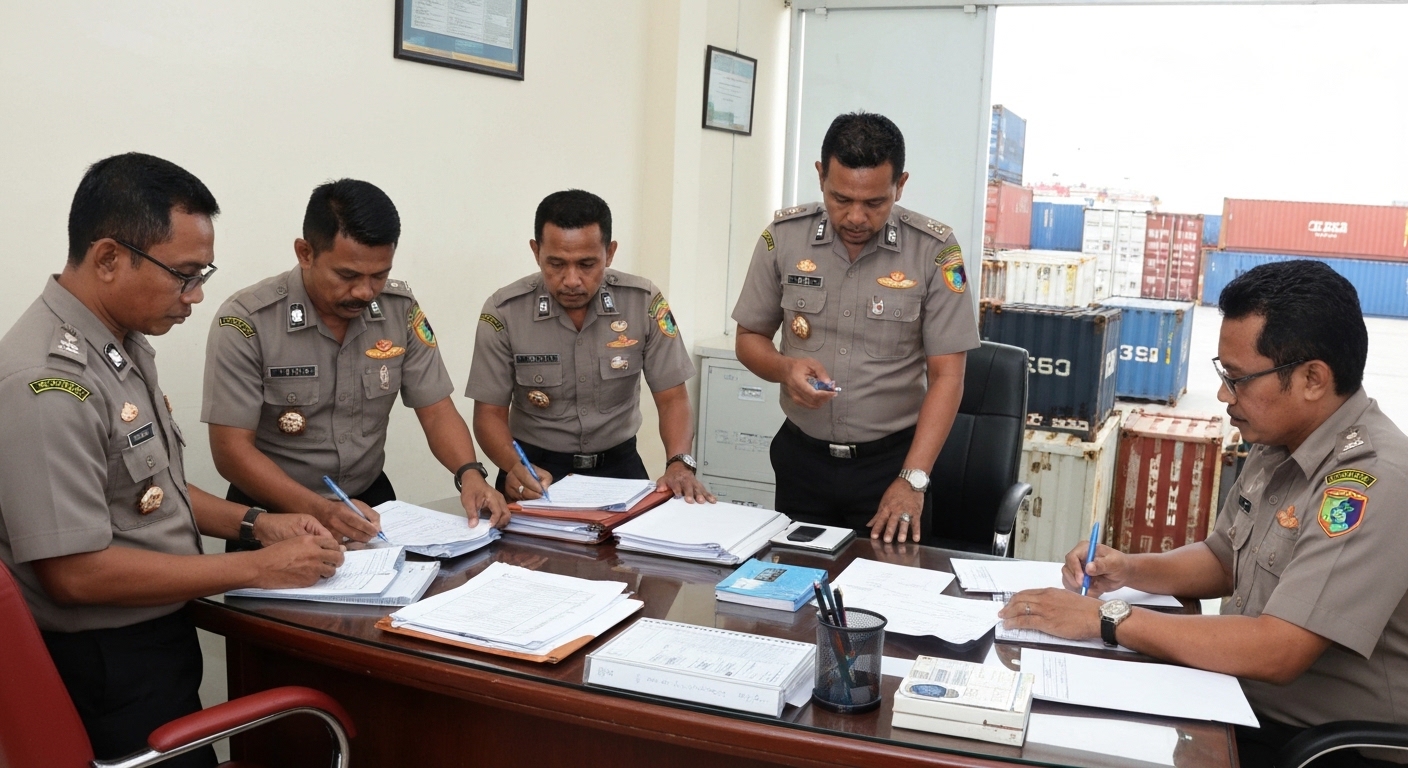
The following documents are generally required for car import Bali. Accuracy and completeness are paramount. Bali Customs Clearance can assist in ensuring all your paperwork is in order.
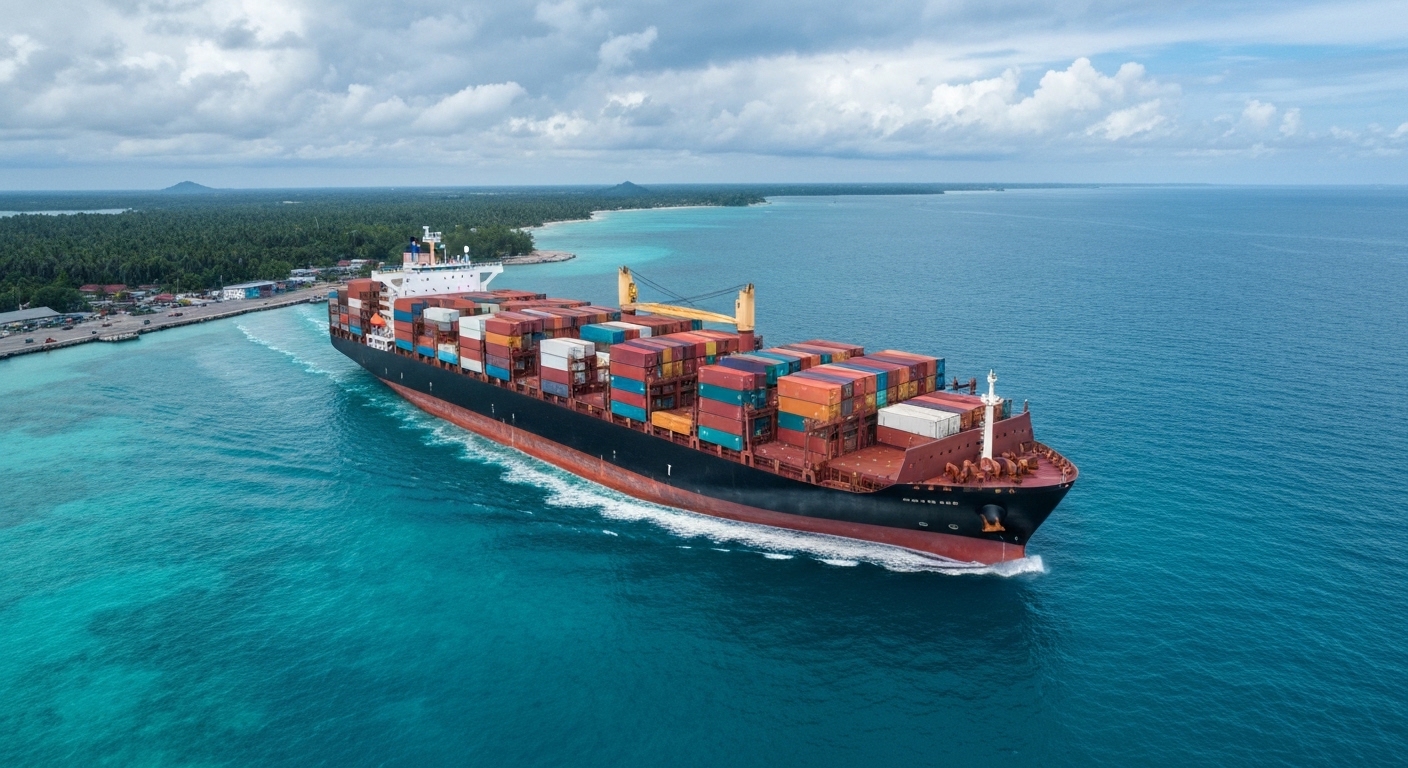
Our Workflow
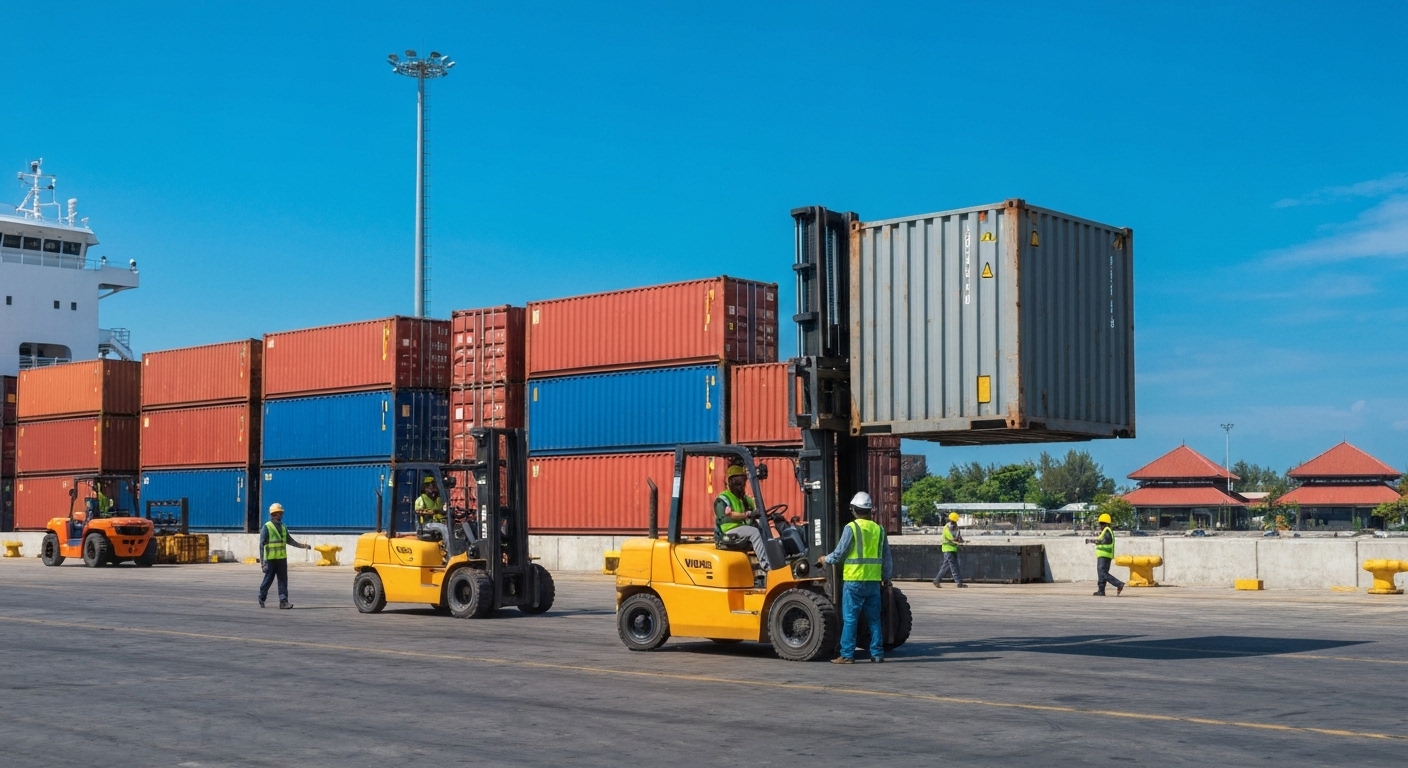
Send us the invoice, packing list and bill of lading. We confirm the HS code, estimate landed cost and flag any permit needed before the cargo sails.
Import licence, LARTAS permits and supporting certificates prepared and lodged, so nothing stalls the consignment on arrival.
PIB filed through CEISA, channel assignment monitored, and import duty, VAT and PPh 22 settled on your behalf.
Cargo released from the terminal and delivered to your address anywhere in Bali, with the full document set handed back to you.
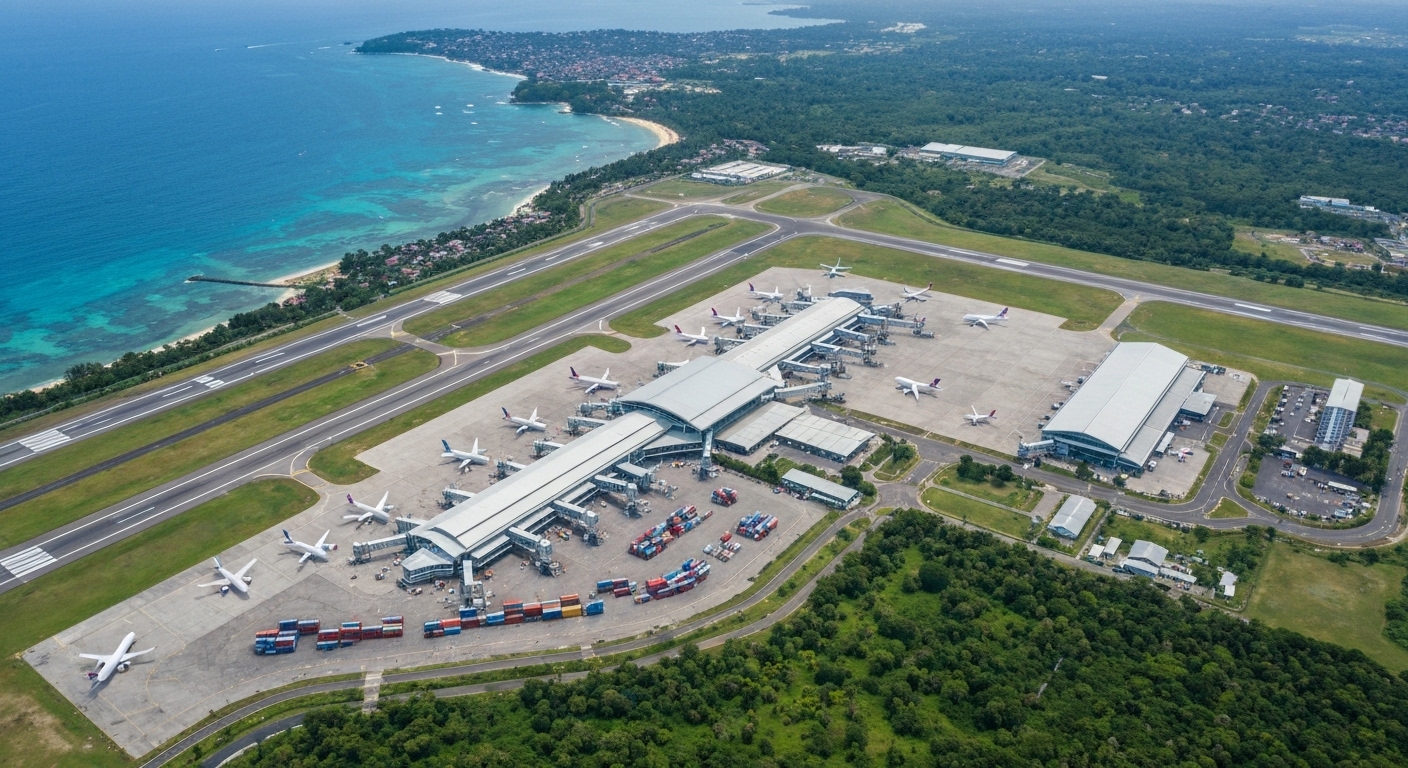
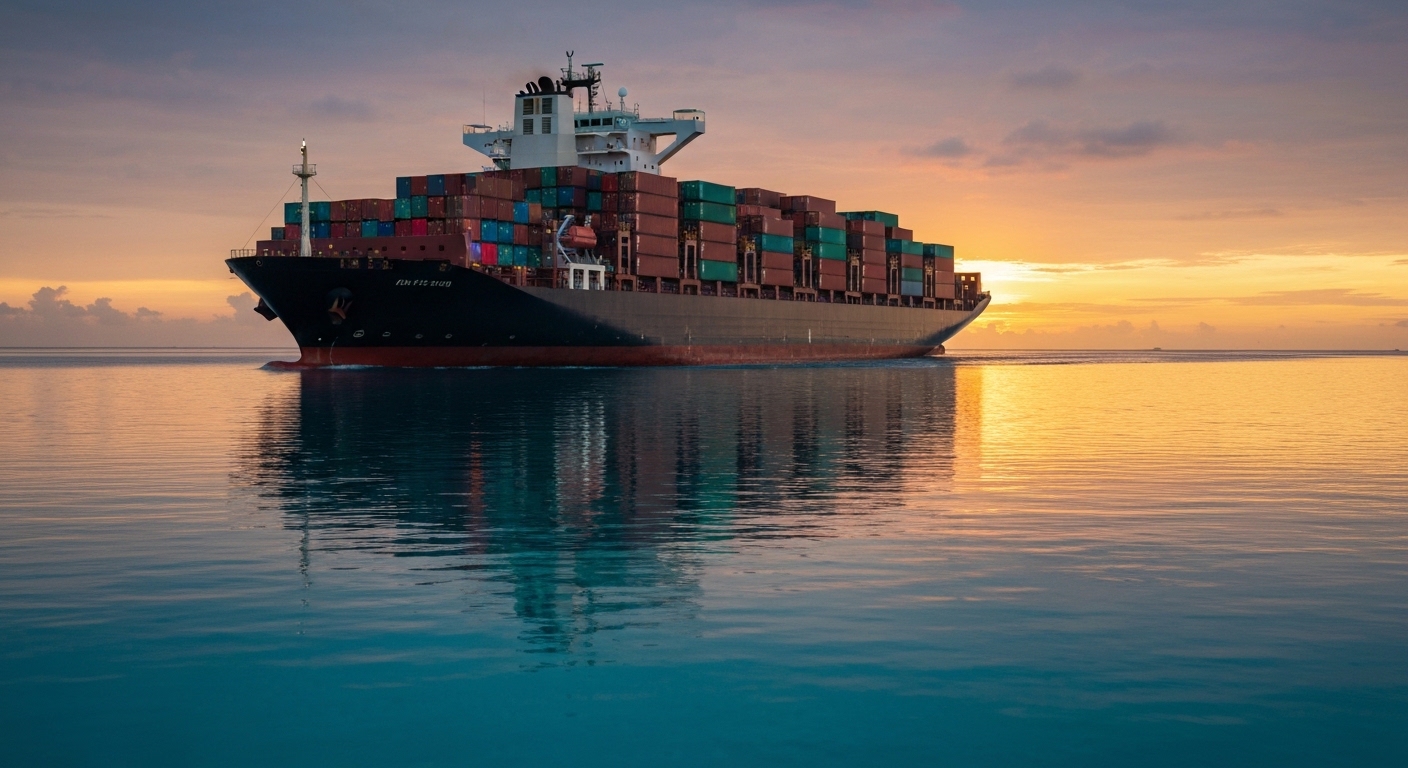
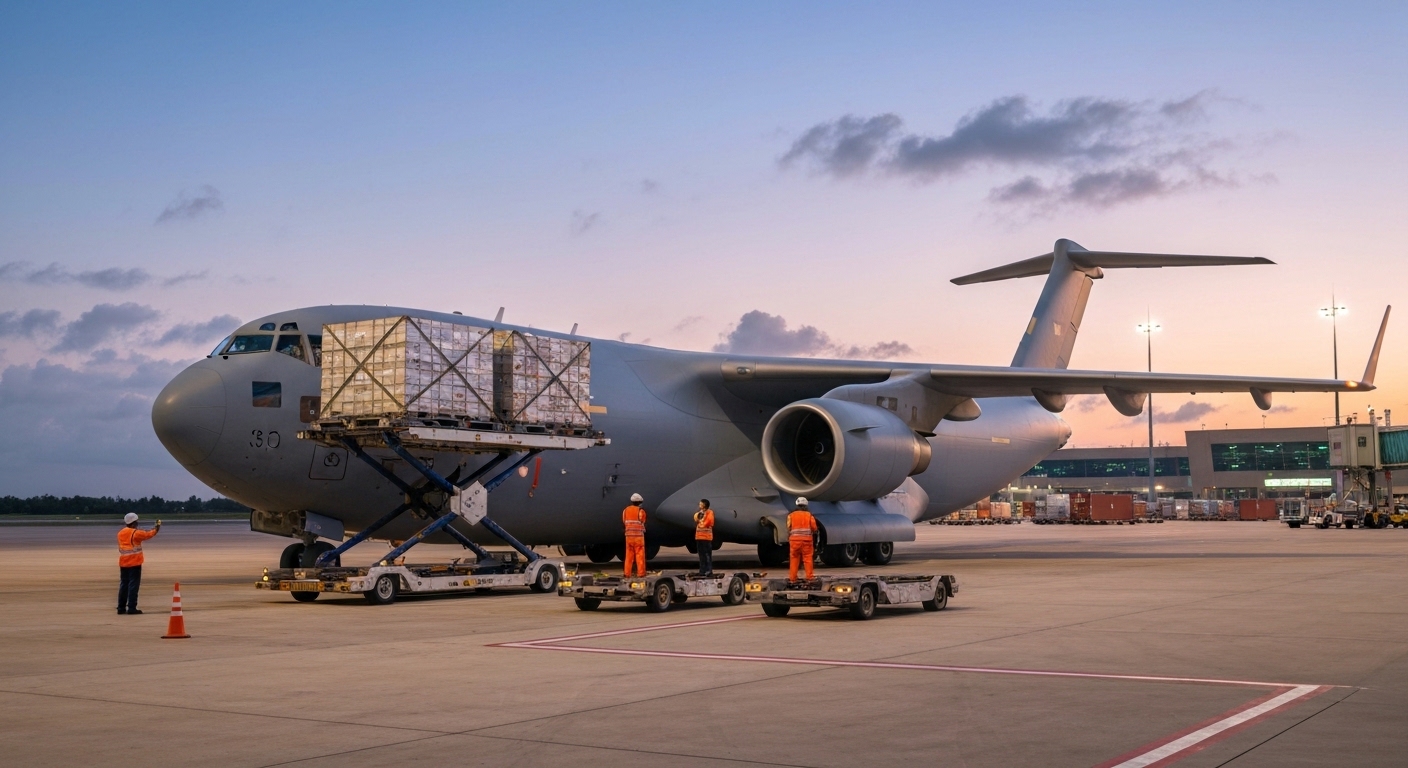
On the Ground

Keep Reading
Get in Touch
Send your documents and we will come back with the realistic route, timeline and landed cost — reviewed by a licensed PPJK broker, not an estimate bot.
Handled by BD Juara Holding Group