



Most customs problems in Bali are preventable, and the ones that aren’t preventable are usually resolvable faster with proper documentation from the start. This 2027 guide covers the practical steps companies and serious shippers can take to reduce the risk of a customs hold, along with what to do if a shipment is already stuck — while being clear that Indonesian customs procedures are applied case by case and outcomes cannot be guaranteed by any provider, including us.
Why do shipments get held at customs in the first place?
A shipment is typically flagged for extended review when documentation is incomplete, when the declared value or description doesn’t match the physical goods, when the HS code classification looks questionable for the described item, or simply as part of the customs system’s routine risk-based inspection process — which can select any shipment for review regardless of how clean its paperwork is. Understanding these categories helps focus prevention effort on the things actually within a shipper’s control.
Documentation habits that reduce hold risk
- Match quantities and values exactly across the commercial invoice, packing list, and bill of lading or airway bill — inconsistencies between these documents are one of the most common triggers for additional review.
- Classify goods correctly before shipping, ideally through a proper HS code consultation rather than guessing or reusing a classification from a different product.
- Identify restricted categories early — goods on the lartas restricted/prohibited list need permits from a technical ministry that take time to obtain, and shipping before securing them is a common cause of extended holds.
- Keep supporting documents ready — certificates of origin, health certificates, or product registrations relevant to your goods, organized and available if customs requests them.
Our broader checklist on required documents for importing to Bali 2027 covers this in more depth across different shipment types.
High season timing and delay risk
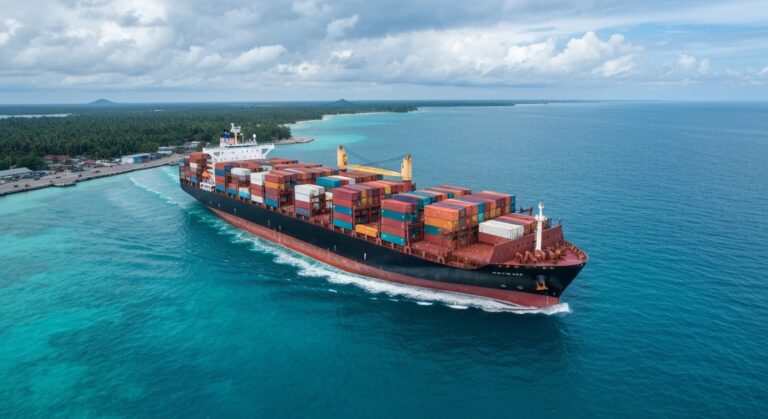
Cargo volume at Ngurah Rai and Benoa tends to increase during peak tourist and holiday seasons, which can extend processing times industry-wide simply due to higher terminal traffic, not because of any issue with a specific shipment. Companies with flexibility in their shipping schedule can sometimes reduce risk by avoiding the busiest weeks, though this isn’t always practical for time-sensitive goods. If your shipment must move during a high-volume period, building in extra buffer time before your goods are actually needed is a more realistic strategy than expecting faster-than-normal processing.
“Help, my shipment is being held — what should I do?”
If a shipment is already flagged for extended review, the first step is understanding exactly what customs is requesting — a missing document, a classification query, or a physical inspection requirement. Responding quickly and completely to that specific request is more effective than general follow-up, since customs typically needs the actual missing item resolved before the shipment can move forward. Our dedicated support for shipments already in this situation is covered at customs hold assistance in Bali, where we work directly on resolving the specific issue flagged rather than attempting to bypass the review itself.
“Why is my package stuck in Bali customs and who can clear it?”
Courier and express shipments — including packages sent via international couriers — go through the same underlying customs framework as freight shipments, even though the process may feel less visible to the sender. If a courier package is stuck, the courier company itself is usually the first point of contact since they hold the shipping documentation, but for higher-value or complex packages, engaging a customs clearing agent to review the specific hold reason can speed up resolution. What no legitimate service can do is guarantee release without addressing whatever documentation or classification issue triggered the hold in the first place.
Preventing problems for recurring shipments
Companies that ship to Bali regularly benefit from establishing a consistent documentation process rather than treating each shipment as a one-off. Using the same verified HS code classifications, maintaining updated supplier documentation, and working with a single point of contact who understands your product categories all reduce the chance of a new hold appearing on a shipment similar to ones that have cleared smoothly before. This consistency is one of the practical benefits of using an integrated logistics and customs partner rather than switching providers between shipments.
What we cannot promise, and why
We do not guarantee a specific clearance timeline, promise that a shipment will avoid physical inspection, or offer any way to bypass the customs risk assessment process — no legitimate service can make these promises, because the inspection channel assignment and final duty determination are made by Indonesian customs authorities based on their own criteria, which can vary by case and are not disclosed to service providers in advance. Being upfront about this distinction is part of why our advice focuses on documentation quality and preparation rather than promised outcomes.
A pre-shipment checklist to reduce risk
- Confirm HS code classification and duty estimate before goods leave origin.
- Verify invoice, packing list, and transport document match exactly.
- Check whether goods fall under any restricted category and secure permits in advance if needed.
- Plan extra buffer time if shipping during a known high-volume period.
- Establish a single point of contact who can respond quickly if customs requests clarification.
Getting ahead of potential customs problems
The most effective way to avoid customs problems in Bali is a pre-shipment review with our desk before goods depart origin — not after a hold has already occurred. This lets us flag documentation gaps, classification questions, or permit requirements while there is still time to address them without adding storage costs or missed deadlines to an already-moving shipment.
The fast-track question: does paying more speed things up?
Companies sometimes ask whether paying a premium fee guarantees faster clearance. It does not, and any provider claiming otherwise should be treated with caution — the inspection channel and review depth are assigned by the customs risk management system, not purchased. What a higher service fee typically buys is more thorough document preparation and faster response to any customs query, which indirectly reduces the chance of a self-inflicted delay, but it does not and cannot purchase preferential treatment from customs itself.
How our desk approaches prevention differently
Rather than treating each shipment as an isolated transaction, our desk reviews documentation with an eye toward patterns we have seen trigger holds in similar shipments — a particular product category that often needs extra certification, a classification that customs has scrutinized more closely in recent periods, or a documentation format that tends to raise questions. This pattern awareness, built from handling a range of shipment types through Ngurah Rai and Benoa, is not a guarantee of smooth clearance, but it does inform where we focus review effort before a shipment departs.
To review your shipment before it departs, or for help resolving a shipment already held, contact our business desk via WhatsApp +62 811-3941-4563 or email [email protected].