



“`html
moving to bali from europe, bali customs clearance, shipping to bali, import to bali, bali import tax, customs agent bali, freight forwarder bali, relocating to bali, europe to bali, indonesian customs, moving house bali”>
Moving to Bali from Europe: Customs, Shipping & Costs
The allure of Bali, with its vibrant culture, stunning landscapes, and relaxed lifestyle, is drawing an increasing number of Europeans to its shores. Whether you’re dreaming of a permanent residency, a long-term sabbatical, or a thriving business venture, the prospect of moving to Bali from Europe is exciting. However, intricacies of international relocation, particularly Indonesian customs and shipping regulations, can be daunting. This guide is designed to demystify the process, providing you with essential information on customs clearance, shipping options, and the associated costs to ensure your transition to the Island of the Gods is as smooth and stress-free as possible.
1. Understanding Indonesian Customs Regulations for Personal Belongings
When relocating to Bali from Europe, the most significant hurdle is often understanding and complying with Indonesian customs regulations. The Indonesian Directorate General of Customs and Excise (DJBC) has specific rules regarding the import of personal effects. The primary objective is to differentiate between genuine personal belongings and items intended for commercial sale.
Key Considerations:
- Personal Use Declaration: To qualify for duty-free or reduced duty import of your personal effects, you must declare them as such. This typically requires a detailed inventory list, proof of ownership, and evidence that you have resided outside Indonesia for a specified period (usually at least one year).
- Prohibited and Restricted Items: Certain items are strictly prohibited or require special permits for import into Indonesia. This includes narcotics, firearms, explosives, certain types of plants and animals, and potentially large quantities of alcohol and tobacco. Always check the latest regulations before shipping.
- Age of Belongings: Items that are considered old and used personal effects are generally viewed more favorably by customs. Brand new items, especially in large quantities, may be flagged as commercial goods and subject to full import duties and taxes.
- Vehicle Imports: Importing vehicles is a complex process with high duties and strict regulations. It’s generally not cost-effective for personal relocation unless you are moving a classic or luxury vehicle with specific intentions.
- Documentation is Crucial: A comprehensive and accurate inventory list is paramount. This should include a detailed description of each item, its approximate age, and its value. This document will be your primary tool when dealing with customs.
2. Shipping Options: From Sea Freight to Air Cargo
Choosing the right shipping method is critical when moving to Bali from Europe. Your decision will depend on factors such as the volume of your belongings, your budget, and how quickly you need your items to arrive.
Sea Freight:
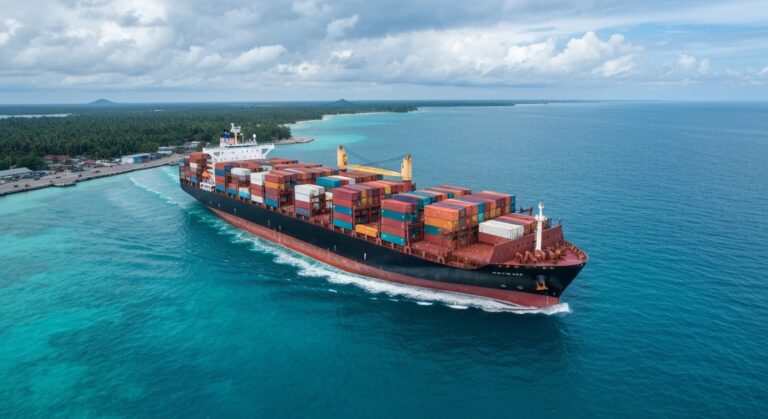
- Container Shipping: This is the most common and cost-effective method for large volumes of household goods. You can opt for a Full Container Load (FCL) if you have enough to fill a 20ft or 40ft container, or a Less than Container Load (LCL) if your shipment is smaller and will be consolidated with other goods. Sea freight is slower, typically taking 4-8 weeks from Europe to Bali, but significantly cheaper.
- Ro-Ro (Roll-on/Roll-off): Primarily for vehicles, this method involves driving your car onto a specialized ship.
Air Cargo:
- Express Air Freight: This is the fastest but most expensive option. It’s ideal for essential items you need immediately or for smaller shipments. Delivery can take a few days to a week.
- Standard Air Freight: A balance between speed and cost, suitable for items that aren’t immediately urgent but you don’t want to wait for sea freight.
Choosing a Freight Forwarder: Regardless of your chosen method, working with a reputable freight forwarder is highly recommended. They will manage the logistics, documentation, and coordination between your departure point in Europe and your arrival in Bali, acting as your shipping agent.
3. Calculating the Costs: Import Duties, Taxes, and Fees
The financial aspect of moving to Bali from Europe is a significant consideration. Beyond the shipping costs, you’ll need to account for Indonesian import duties, taxes, and potential fees levied by customs and other authorities.
Import Duties:
- The Indonesian government applies import duties on goods entering the country. The rates vary depending on the type of goods, often determined by their Harmonized System (HS) codes. Personal effects that are clearly declared and meet the criteria for personal use may be exempt from duties or subject to reduced rates.
- However, if customs deems items as not being purely personal effects, standard import duty rates will apply.
VAT (Value Added Tax):
- Indonesia currently has a VAT rate of 11%. This is applied to the CIF (Cost, Insurance, and Freight) value of the goods, plus any import duties.
- For personal effects, there are provisions for exemptions or reduced VAT under specific circumstances, especially when accompanied by valid documentation proving your relocation status.
PPh Pasal 22 (Import Income Tax):
- This is an income tax on imports. The rates vary, but for individuals importing personal goods, it can range from 2.5% to 7.5% depending on whether you have an import permit (API) or not. For genuine personal effects, this may also be subject to specific exemptions or lower rates.
Other Potential Costs:
- Customs Clearance Fees: Your customs broker or customs clearance Bali agent will charge fees for their services.
- Port Charges and Handling Fees: These are levied by the port authorities and shipping lines upon arrival.
- Storage Fees: If your shipment is held at the port for any reason, storage fees can accrue.
- Insurance: It is highly advisable to insure your shipment against loss or damage during transit.
It’s essential to get a detailed quote from your chosen shipping company and customs agent that breaks down all anticipated charges. The Bali import tax structure can be complex, making professional guidance invaluable.
4. The Role of a Customs Clearance Agent in Bali
labyrinthine world of Indonesian customs can be overwhelming for expatriates. This is where a professional customs clearance Bali agent becomes indispensable. They are your local experts, ensuring all paperwork is correctly filed and that your belongings pass through customs smoothly.
Why You Need a Customs Agent:
- Expertise in Regulations: Agents are up-to-date with the latest customs laws, regulations, and procedures, which can change frequently.
- Paperwork Management: They handle the preparation and submission of all necessary documentation, including the inventory list, import declarations, and any required permits.
- Liaison with Customs Officials: They act as the point of contact with Indonesian customs officials, resolving any queries or issues that may arise.
- Minimizing Delays and Costs: By ensuring compliance and efficient processing, they help avoid unnecessary delays, storage fees, and potential penalties.
- Understanding Exemptions: A good agent will know how to best present your case to customs to maximize any eligible exemptions or reduced rates for your personal effects.
When selecting an agent, look for experience, good reviews, and clear communication. They are your best ally in ensuring a hassle-free customs clearance process for your move to Bali.
5. Tips for a Smooth Relocation Process
A successful move to Bali from Europe requires meticulous planning and execution. Here are some practical tips to help you along the way:
Before You Ship:
- Declutter Ruthlessly: The less you ship, the less you pay. Go through your belongings and decide what is truly essential. Consider selling or donating items you no longer need.
- Create a Detailed Inventory: As mentioned, this is crucial. Be as specific as possible, including brand names, model numbers where applicable, and approximate age.
- Understand Prohibited Items: Double-check the latest list of prohibited and restricted items from the DJBC.
- Get Multiple Quotes: Compare quotes from several reputable international moving companies and freight forwarders to get the best value for your shipping needs.
- Arrange Insurance: Ensure your shipment is adequately insured for its entire journey.
Upon Arrival in Bali:
- Be Present (or Have Representation): If possible, be present at the port when your shipment arrives or ensure your customs agent is fully authorized to represent you.
- Cooperate Fully: Respond promptly to any requests for information or documentation from customs officials or your agent.
- Inspect Your Goods: Once cleared, carefully inspect your belongings for any damage before signing off.
- Keep Records: Maintain copies of all documentation related to your move, including inventory lists, invoices, and customs declarations.
By following these tips and leveraging the expertise of professionals, your move to Bali from Europe can be a significantly less stressful and more enjoyable experience.
Frequently Asked Questions about Moving to Bali from Europe
Q1: Can I ship my car to Bali from Europe?
A1: While technically possible, importing a car to Bali from Europe is generally very expensive due to high import duties and taxes. It’s usually only cost-effective for very high-value or classic vehicles, and requires extensive paperwork and permits. Most expats opt to purchase a vehicle locally or rely on transportation services.
Q2: How long does it take for personal belongings to clear customs in Bali?
A2: The customs clearance time can vary significantly. If all documentation is in order and there are no issues, it can take anywhere from a few days to a couple of weeks. However, if there are discrepancies, or if customs requires further inspection, it can take longer.
Q3: What is
Keep reading
More from the Journal
Bali to Komodo Tour 2026: How to Choose the Safest Route
The fastest reliable way to reach Komodo Island from Bali in 2026 is a short flight to Labuan Bajo followed…
Read StoryJasa Kepabeanan Denpasar untuk Impor Ekspor 2027
Jasa kepabeanan di Denpasar dan sekitar Bali pada 2027 melayani kebutuhan impor-ekspor bagi bisnis lokal maupun perusahaan asing yang beroperasi…
Read StoryPaket Tertahan Bea Cukai Bali? Solusi Cepat 2027
Jika paket Anda tertahan di Bea Cukai Bali pada 2027, langkah pertama yang perlu dilakukan adalah mengecek alasan penahanan lewat…
Read StoryGet in Touch
Turn this guide into a cleared shipment
Send us your documents and we will come back with the realistic route, timeline and cost — reviewed by a licensed PPJK broker, not an estimate bot.
Handled by BD Juara Holding Group