



“`html
Shipping from USA to Bali: Complete Guide 2026
Planning to send goods from the United States to the beautiful island of Bali? Whether you’re relocating, sending personal effects, or importing commercial products, intricacies of international shipping and Indonesian customs can be a daunting task. This comprehensive guide, updated for 2026, aims to demystify the process of shipping from USA to Bali, covering everything from regulations and documentation to costs and finding reliable services. Prepare yourself for a smooth and successful shipment with our expert insights.
1. Understanding Indonesian Customs Regulations for Imports
Indonesia, including Bali, has specific regulations governing imports. The Directorate General of Customs and Excise (DJBC) is the governing body, and adherence to their rules is paramount. For 2026, key aspects to be aware of include:
- Prohibited and Restricted Items: Certain items are banned outright, while others require special permits or licenses. This includes narcotics, weapons, certain chemicals, and some types of media. Always check the latest DJBC list before shipping.
- Personal Effects: If you are moving to Bali, personal effects are generally allowed with reduced duties, provided they are used items and not intended for sale. You will likely need to provide proof of residency or a visa.
- Commercial Goods: Importing goods for commercial purposes requires a business license (NIB – Nomor Induk Berusaha) and adherence to specific import procedures.
- Documentation: Accurate and complete documentation is crucial. This typically includes:
- Commercial Invoice
- Packing List
- Bill of Lading (for sea freight) or Air Waybill (for air freight)
- Certificate of Origin (if applicable)
- Import Declaration (PIB – Pemberitahuan Impor Barang), usually handled by your shipping agent or freight forwarder.
- HS Codes: Harmonized System (HS) codes are used to classify goods for customs purposes. Ensure your goods are correctly classified with the appropriate HS code, as this impacts duty and tax calculations.
2. Navigating Bali Import Tax and Duties
When shipping from USA to Bali, you will encounter import taxes and duties. As of 2026, Indonesia levies several types of taxes on imported goods:
- Import Duty: This is a percentage of the CIF (Cost, Insurance, Freight) value of your goods. Rates vary significantly based on the HS code of the product. Some goods may have duty-free status under specific trade agreements or for certain types of imports (e.g., essential raw materials for manufacturing).
- Value Added Tax (VAT): The standard VAT rate in Indonesia is 11%. This is applied to the CIF value plus the import duty.
- PPh Pasal 22 (Income Tax Article 22): This is an import income tax, typically ranging from 2.5% to 7.5% of the CIF value plus import duty and VAT. The rate depends on whether the importer has an NPWP (Nomor Pokok Wajib Pajak – Taxpayer Identification Number) and their business classification.
- PPnBM (Luxury Goods Sales Tax): This applies to specific luxury goods, with rates varying from 10% to 50% depending on the item’s classification.
It’s essential to get an accurate estimate of these costs beforehand. Your Bali import tax calculation will depend on the declared value of your goods and their classification. Be aware of potential penalties for undervaluation.
3. Choosing the Right Shipping Method
The method you choose for shipping from USA to Bali will depend on the volume, value, and urgency of your shipment. The two primary international shipping methods are:
- Sea Freight:
- Full Container Load (FCL): Ideal for large shipments where you can utilize an entire shipping container (20ft or 40ft). Offers better security and cost-effectiveness per unit for bulk.
- Less than Container Load (LCL): Suitable for smaller shipments where you share container space with other shippers. More economical for smaller volumes but can involve longer transit times and more handling.
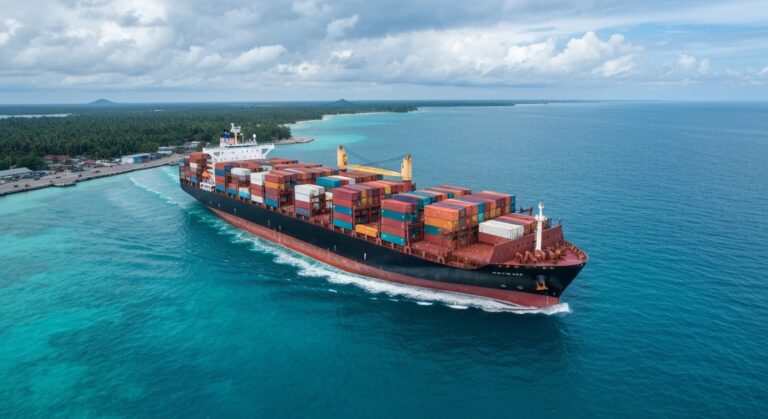
Sea freight is generally slower but more cost-effective for larger quantities. Transit times can range from 4-8 weeks.
- Air Freight:
Air freight is significantly faster but also more expensive. It’s best for time-sensitive goods, high-value items, or smaller shipments where speed is a priority. Transit times are typically 3-7 days.
Consider using a reputable freight forwarder who can advise on the best method for your specific needs and handle the logistics.
4. The Role of a Customs Clearance Agent and Freight Forwarder
complexities of Indonesian customs, especially for first-time shippers, can be challenging. This is where a professional customs clearance Bali agent and a freight forwarder become invaluable.
- Freight Forwarder: A freight forwarder acts as an intermediary between you and the shipping carriers. They can arrange for the pick-up of your goods, book space on ships or planes, manage documentation, and often provide warehousing and insurance. They have the expertise to find the most efficient and cost-effective shipping routes.
- Customs Clearance Agent: A customs clearance agent specializes in clearing your goods through Indonesian customs. They are experts in customs laws, regulations, and procedures. They will prepare and submit the necessary import declarations (PIB), liaise with customs officials, pay duties and taxes on your behalf, and ensure your goods are released promptly. Having a local agent is crucial for a smooth process.
Working with an integrated service provider who offers both freight forwarding and customs brokerage can simplify the entire process of shipping from USA to Bali.
5. Tips for a Smooth Shipping Experience
To ensure your shipment arrives in Bali without unnecessary delays or complications, keep these tips in mind:
- Accurate Declarations: Be truthful and precise with your declarations of goods and their value. Any discrepancies can lead to delays, fines, or confiscation.
- Thorough Documentation: Ensure all required documents are complete, accurate, and submitted on time. Missing or incorrect paperwork is a common cause of customs holds.
- Understand Incoterms: If you are involved in a commercial transaction, understand the Incoterms (International Commercial Terms) that define the responsibilities of the buyer and seller regarding shipping costs, insurance, and risk.
- Get Insurance: Always insure your shipment against loss or damage during transit.
- Communicate with Your Agent: Maintain open communication with your shipping agent or freight forwarder. Ask questions and stay informed about the status of your shipment.
- Factor in Time: International shipping and customs clearance can take time. Plan your shipment well in advance of when you need the goods to arrive.
- Research Bali Customs: Familiarize yourself with the latest regulations from the DJBC. Customs rules can change, so staying updated is essential.
Frequently Asked Questions
Q1: How much does it cost to ship from USA to Bali?
A1: The cost varies significantly based on the shipping method (air vs. sea), weight, volume, destination within Bali, and the value of goods. Sea freight is generally cheaper for larger shipments, while air freight is faster but more expensive. It’s best to get a personalized quote from a freight forwarder.
Q2: What are the prohibited items when shipping to Bali?
A2: Prohibited items include narcotics, psychotropic substances, firearms, ammunition, explosives, offensive weapons, certain chemicals, and printed materials that are pornographic or violate Indonesian law. Always check the latest DJBC regulations.
Q3: How long does it take to ship from USA to Bali?
A3: Sea freight typically takes 4-8 weeks from the USA to Bali. Air freight is much faster, usually taking 3-7 days. Customs clearance can add additional time to both methods.
Q4: Do I need a customs clearance agent in Bali?
A4: While not always legally mandatory for all types of shipments, it is highly recommended. A professional customs clearance Bali agent will ensure your shipment is processed efficiently, avoid costly mistakes, and navigate the complex Indonesian customs procedures correctly.
process of shipping from USA to Bali requires careful planning and attention to detail. By understanding the regulations, taxes, and choosing the right partners, you can ensure a successful and stress-free experience. For expert assistance with your import needs, including customs clearance Bali, understanding Bali import tax, and finding the right freight forwarder or shipping agent, contact us today.