


Importing Alcohol to Bali: SIUP-MB Licence & Duties Explained
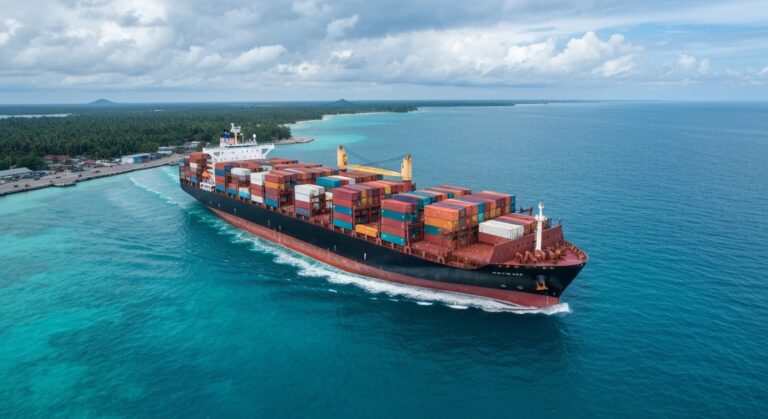
Dreaming of bringing your favourite spirits or wines to Bali for a business venture? Whether you’re a hotel, restaurant, or a specialized liquor retailer, regulations for importing alcohol to Bali can seem daunting. Indonesian customs, overseen by the Directorate General of Customs and Excise (DJBC), have specific requirements, particularly concerning the SIUP-MB (Surat Izin Usaha Perdagangan Minuman Beralkohol) licence and the associated duties and taxes. This comprehensive guide will demystify the process, ensuring your alcoholic beverages make it to the Island of the Gods smoothly and legally. We’ll cover everything from the essential permits to calculating the financial implications of your import.
Understanding the SIUP-MB Licence for Alcohol Imports
The cornerstone of legally importing alcohol to Bali for commercial purposes is the SIUP-MB licence. This licence, issued by the relevant Indonesian authorities, specifically permits businesses to trade in alcoholic beverages. Without this crucial permit, any attempt to import alcohol for resale will be met with seizure and potential penalties. The application process for a SIUP-MB is rigorous and involves demonstrating that your business is legitimate, has the necessary infrastructure, and adheres to all Indonesian business and health regulations. Typically, this licence is required for entities such as hotels, restaurants, bars, nightclubs, and retail liquor stores. The application usually involves submitting a business registration certificate (NIB), tax identification number (NPWP), and other supporting documents that prove your company’s legal standing and operational capacity. It’s imperative to consult with local authorities or a professional customs clearance Bali agent to ensure all requirements are met accurately.
Key Steps in the Alcohol Import Process
The process of importing alcohol to Bali involves several critical stages:
- Obtain the SIUP-MB Licence: As detailed above, this is the prerequisite.
- Secure Import Approval: Once you have the SIUP-MB, you’ll need to obtain specific import approvals or quotas from the Ministry of Trade or relevant bodies, depending on the type and volume of alcohol.
- Select a Reputable Freight Forwarder: Engaging a reliable freight forwarder is essential. They will manage the logistics of shipping, documentation, and liaise with customs on your behalf.
- Prepare all Necessary Documentation: This includes the commercial invoice, packing list, bill of lading/air waybill, certificate of origin, SIUP-MB, import approval, and any specific product certifications required.
- Customs Declaration and Clearance: Your customs clearance Bali agent will file the import declaration (PIB) with the DJBC.
- Duty and Tax Payment: Once assessed, all applicable duties and taxes must be paid.
- Release of Goods: After successful clearance and payment, your goods will be released.
Each step requires meticulous attention to detail to avoid delays and complications.
Understanding Bali Import Tax and Duties on Alcohol
When importing alcohol to Bali, you’ll encounter a complex web of taxes and duties that significantly impact the final cost. The primary components are:
- Import Duty: This is a percentage levied on the CIF (Cost, Insurance, Freight) value of the imported goods. The rates vary depending on the Harmonized System (HS) code of the specific alcoholic beverage. For most alcoholic beverages, import duties can range from 10% to 150%.
- Excise Tax (Cukai): Indonesia imposes a substantial excise tax on alcoholic beverages. This tax is calculated based on the volume and alcohol content of the product. Rates can be very high, often exceeding 100% of the product’s value, making it a significant cost factor.
- Value Added Tax (VAT): A standard VAT of 11% is applied to the sum of the CIF value, import duty, and excise tax.
- Income Tax (PPh Pasal 22): Importers may also be subject to a withholding income tax, typically around 2.5% for importers with an NPWP, or 7.5% for those without.
The exact calculation of Bali import tax and duties can be intricate, and it’s advisable to use an online calculator or consult with a freight forwarder who specialises in alcohol imports to get an accurate estimate.
HS Codes and Their Importance in Alcohol Imports
Harmonized System (HS) codes are internationally recognized product classification codes used by customs authorities worldwide. For importing alcohol to Bali, correctly identifying the HS code for your specific product is paramount. These codes determine the applicable import duties, excise tax rates, and any other regulatory requirements. For example:
- HS Code 2204: Wine of fresh grapes.
- HS Code 2208: Spirits, liqueurs, and other spirituous beverages.
Each sub-category within these codes can have different duty and tax percentages. Mistakes in HS code classification can lead to incorrect duty assessments, delays, penalties, and even confiscation of goods. It is crucial to work with your customs clearance Bali agent or shipping agent to ensure the correct HS codes are used for all imported alcoholic products.
Navigating Potential Challenges and Best Practices
The path to importing alcohol to Bali is not without its potential pitfalls. Common challenges include:
- Documentation Errors: Inaccurate or incomplete paperwork is a leading cause of import delays.
- Licensing Issues: Failing to secure the correct SIUP-MB or other necessary permits before shipping.
- Customs Valuations: Disagreements on the declared value of goods can lead to disputes and delays.
- Changes in Regulations: Indonesian customs regulations can be updated, requiring importers to stay informed.
Best Practices:
- Engage Professionals Early: Work with experienced freight forwarder and customs clearance Bali agents from the outset.
- Double-Check All Documents: Ensure every piece of paperwork is accurate and complete before submission.
- Understand the Costs: Get a clear breakdown of all duties, taxes, and fees involved.
- Maintain Good Relationships: Foster clear communication with your shipping agent and customs brokers.
- Stay Updated: Keep abreast of any changes in Indonesian import regulations.
Frequently Asked Questions About Importing Alcohol to Bali
Q1: Can individuals import alcohol to Bali for personal use?
A1: While there are allowances for personal baggage, importing significant quantities of alcohol for personal use is generally restricted and subject to customs scrutiny and potential duties. Commercial import is strictly regulated.
Q2: How long does the alcohol import process typically take in Bali?
A2: The duration can vary significantly, but with all documentation in order and a reliable customs clearance Bali agent, it can take anywhere from a few days to a couple of weeks for clearance after arrival. Delays can occur due to documentation issues or customs inspections.
Q3: What happens if my alcohol shipment is seized?
A3: If your alcohol shipment is seized, it is usually due to a lack of proper licensing, incorrect documentation, or failure to pay duties and taxes. You will likely face penalties, forfeiture of the goods, and potentially further legal action. It’s crucial to address the issue promptly with the relevant authorities and your shipping agent.
Q4: Are there any restrictions on the types of alcohol that can be imported into Bali?
A4: While most types of alcohol can be imported, certain regulations may apply to specific categories or brands, and quotas might be in place. It’s essential to verify with the Ministry of Trade or your freight forwarder for any specific restrictions.