

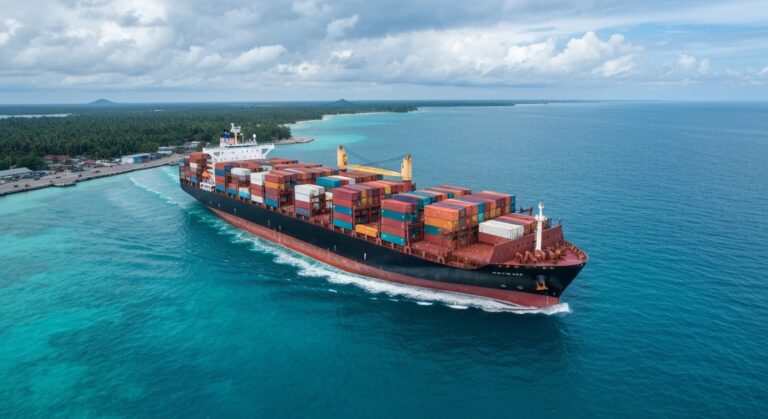

Sea freight remains the most cost-effective way to import goods from China to Bali, but the customs process at Benoa Port involves several steps that first-time importers often underestimate. This 2027 guide walks through the documents, HS code classification, duty considerations, and typical timelines you should plan for when shipping by sea from China to Bali.
Why Choose Sea Freight for China–Bali Shipments?
Sea freight is generally the preferred option for bulky or high-volume shipments such as furniture, construction materials, and stock inventory, since the cost per cubic meter is significantly lower than air freight. The trade-off is transit time, which is considerably longer than air freight. For businesses that plan shipments in advance and don’t need urgent delivery, sea freight combined with proper import services from China to Bali often makes the most financial sense.
What Documents Are Typically Required?
While exact document requirements depend on the goods being shipped and can change over time, importers should generally prepare the following before their cargo departs China:
- Commercial invoice — a detailed breakdown of the goods, quantities, and declared value from the supplier.
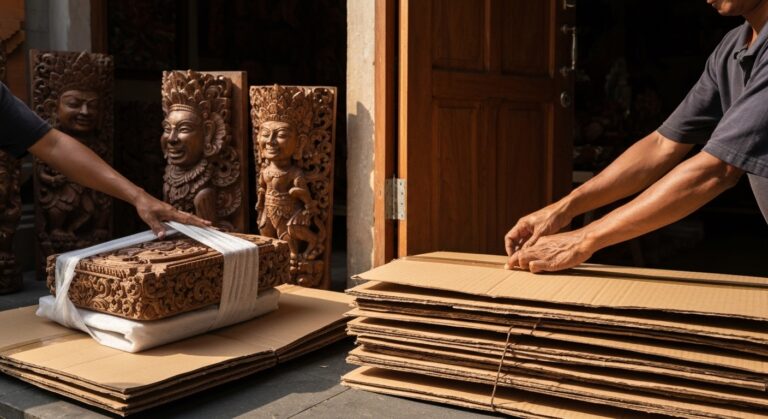
- Packing list — itemized description of how goods are packed, useful for both logistics and customs review.
- Bill of lading — the shipping document issued by the ocean carrier confirming the cargo details and consignee.
- Certificate of origin — sometimes required depending on the product category and applicable trade agreements.
- Import identification documents — required for commercial importers, with different requirements for personal versus business shipments.
Because document requirements are set by Indonesian customs authorities and can be adjusted over time, our team reviews your specific shipment before confirming exactly what will be needed for your case.
Understanding HS Code Classification
Every imported item must be classified under a Harmonized System (HS) code, which determines the applicable duty rate and any restrictions that may apply. Misclassification is one of the most common causes of delays and disputes during customs clearance, since it can trigger additional review or reassessment of duties. We recommend confirming the correct HS code with our team before your shipment leaves China, rather than after it arrives at Benoa Port, so that potential issues can be addressed early.
What Determines Duty and Tax Rates?
Duty and tax rates in Indonesia vary by product category, declared value, and current government policy, all of which can change over time. We deliberately avoid quoting fixed percentages here because rates are confirmed case by case based on the actual goods, their classification, and the regulations in force at the time of clearance — not based on outdated tables or generic online estimates. If you need a working estimate for budgeting purposes, our team can review your invoice and provide guidance based on the current framework.
Typical Process Timeline at Benoa Port
The overall process from departure in China to cargo release in Bali generally follows these stages:
| Stage | What Happens |
|---|---|
| Booking & departure | Cargo is booked with an ocean carrier and departs from a Chinese port. |
| Transit | Vessel transit time depends on route and shipping line schedule. |
| Arrival at Benoa | Cargo arrives and is registered for customs processing. |
| Document submission | Import declaration and supporting documents are submitted to customs. |
| Inspection (if applicable) | Some shipments are selected for physical inspection based on the customs risk-assessment system. |
| Release & delivery | Once cleared, cargo is released and forwarded to the final destination. |
We never promise a fixed number of days for clearance, since the actual timeline depends on documentation accuracy, the inspection channel assigned by the system, and the nature of the goods.
Common Mistakes to Avoid
Importers new to this route often make avoidable mistakes: ordering goods without confirming HS code and estimated duty first, underestimating total landed cost, using vague invoice descriptions that slow down classification, or assuming that a supplier’s CIF quote already covers Indonesian customs charges (it typically does not). Confirming these details with our team before goods leave China helps prevent surprises once cargo reaches Benoa Port.
Working with Suppliers: What to Confirm Before You Order
Before placing an order with a Chinese supplier for goods bound for Bali, it helps to confirm a few things upfront: whether the quoted price is FOB (you arrange shipping) or CIF (supplier arranges shipping and insurance to the destination port), whether the invoice will include a detailed product description suitable for HS code classification, and whether the supplier can provide a certificate of origin if your product category requires one. Getting clarity on these points before goods leave the factory saves considerable back-and-forth once the shipment is already in transit and harder to adjust.
Who Typically Uses This Route?
Sea freight from China to Bali is commonly used by hospitality businesses sourcing furniture and fittings for villas and hotels, restaurant owners importing kitchen equipment, e-commerce sellers building inventory, and contractors sourcing specific construction materials not readily available locally. Because each of these use cases involves different documentation and risk profiles, our team tailors the approach based on the actual purpose of the shipment rather than applying a one-size-fits-all process.
Documents Our Team Reviews Before Departure
Before your cargo leaves China, we typically ask to review the commercial invoice, packing list, and any product specifications relevant to classification. This early review lets us flag potential issues — an incomplete product description, a category that may require additional permits, or a valuation that looks inconsistent with market pricing — while there is still time to correct them. Waiting until cargo has already arrived at Benoa Port to address these issues almost always results in longer clearance times and additional costs.
Coordinating Sea Freight with Local Delivery
Once cargo clears customs at Benoa Port, it still needs to reach its final destination — a warehouse, project site, or business address elsewhere in Bali. Coordinating this final leg alongside the customs process, rather than treating them as separate tasks handled by different parties, generally results in fewer handoff delays. Our team manages both the clearance and the onward delivery so shipments move directly from the port to your location without unnecessary storage time.
Frequently Asked Questions
Is sea freight always cheaper than air freight? Generally yes for bulky, non-urgent shipments, but total cost depends on volume, weight, and how quickly you need the goods.
Can duty rates be confirmed before shipping? We can provide guidance based on HS code and current regulations, but the final assessed amount is always determined by customs at the time of clearance.
What happens if my shipment is selected for inspection? Our team coordinates directly with customs officers and keeps you informed throughout the process rather than promising a specific outcome in advance.
Planning a sea freight shipment from China to Bali? Contact our team on WhatsApp at +62 811-3941-4563 or email [email protected] for a document review before your cargo departs.