



Exporting Furniture from Bali: SVLK Certification & Shipping
Bali, renowned for its exquisite craftsmanship and unique artistic flair, is a global hub for furniture exports. From intricate carved wood pieces to stylish rattan creations, Balinese furniture graces homes and businesses worldwide. However, exporting these beautiful items involves navigating a landscape of regulations, certifications, and logistical challenges. This guide will demystify the process, focusing on the crucial SVLK certification and the essential steps for seamless customs clearance Bali for your furniture shipments. Understanding these requirements is paramount to ensuring your valuable cargo reaches its destination without delays or complications.
Understanding SVLK Certification: The Cornerstone of Wood Product Exports
The Sistem Verifikasi Legalitas Kayu (SVLK), or Timber Legality Verification System, is a mandatory certification for all wood products exported from Indonesia, including furniture. Its primary purpose is to ensure that the timber used in your furniture originates from legal and sustainable sources, combating illegal logging and promoting responsible forest management. For furniture exporters in Bali, obtaining SVLK certification is not merely an option; it’s a prerequisite for international trade. The process involves rigorous audits of your supply chain, from timber sourcing to manufacturing. Independent certification bodies accredited by the Indonesian government conduct these audits. Once granted, the SVLK certificate validates the legality of your wood products, opening doors to markets that demand verifiable sustainable sourcing, such as the European Union and the United States. Without this certification, your furniture shipments will likely be refused entry by customs authorities in importing countries, leading to significant financial losses and reputational damage. The DJBC relies heavily on SVLK to streamline customs procedures for wood products.
Key aspects of SVLK certification include:
- Traceability: Demonstrating the origin and chain of custody of all timber used.
- Documentation: Maintaining comprehensive records of timber purchases, processing, and sales.
- Compliance: Adhering to Indonesian forestry laws and regulations.
- Independent Audit: Undergoing regular inspections by accredited third-party verifiers.
Navigating Indonesian Customs Regulations for Furniture Exports
The Directorate General of Customs and Excise (DJBC) in Indonesia oversees all export and import activities. For furniture exporters in Bali, understanding their procedures is vital for a smooth shipping process. This involves accurate declaration of goods, proper classification using Harmonized System (HS) codes, and submission of all required export documents. A reliable freight forwarder or shipping agent can be invaluable in navigating these complexities. They will assist in preparing the necessary paperwork, including the Export Declaration (PEB – Pemberitahuan Ekspor Barang), commercial invoices, packing lists, and the SVLK certificate. Incorrectly declared goods or missing documentation can lead to significant delays, penalties, and even seizure of your cargo. It is crucial to work with experienced professionals who are up-to-date with the latest DJBC regulations and requirements. Remember that while Indonesia has a Value Added Tax (VAT) of 11% on most goods and services, export of goods is generally zero-rated for VAT. However, understanding any potential Bali import tax or duties in the destination country is also part of the exporter’s responsibility.
Essential documents for furniture export include:
- Commercial Invoice: Detailing the buyer, seller, description of goods, quantities, unit prices, and total value.
- Packing List: Specifying the contents of each package, including dimensions and weights.
- Export Declaration (PEB): The official document submitted to the DJBC.
- SVLK Certificate: Verifying the legality of the wood used.
- Bill of Lading (B/L) or Air Waybill (AWB): Issued by the shipping carrier.
- Certificate of Origin (if required by the importing country).
HS Codes and Their Importance in Furniture Exports
Harmonized System (HS) codes are an internationally standardized system of names and numbers to classify traded products. For furniture exports from Bali, assigning the correct HS code is critical for customs clearance in both Indonesia and the destination country. These codes determine applicable duties, taxes, and statistics. Indonesian customs, governed by DJBC, uses these codes to identify and categorize your furniture shipments. Common HS code categories for furniture include those for wooden furniture (Chapter 94), seats, tables, and other household furniture. For example, HS codes starting with 9403 typically relate to furniture. It is imperative to accurately classify your furniture based on its material, design, and intended use. Misclassification can lead to incorrect duty assessments, penalties, and delays. Consulting with your freight forwarder or a customs specialist is highly recommended to ensure the correct HS codes are used for your specific furniture products. Being precise with HS codes facilitates a smoother and more efficient customs process.
Examples of common HS code prefixes for furniture:
- 9401: Seats (e.g., chairs, sofas)
- 9403: Other furniture and parts thereof (e.g., tables, cabinets, beds)
- 9404: Mattress supports; articles of bedding and similar furnishing (e.g., mattresses)
Shipping and Logistics: Getting Your Balinese Furniture to Market
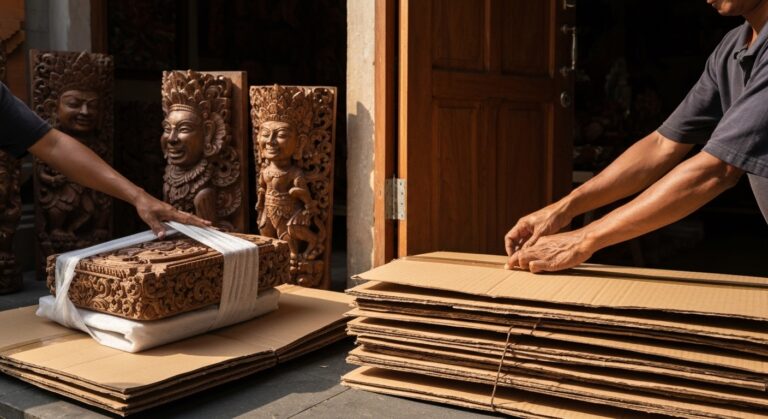
Once your furniture has the necessary SVLK certification and all export documentation is in order, the next crucial step is shipping and logistics. Bali offers various shipping options, including sea freight and air freight. Sea freight is generally more cost-effective for larger, heavier shipments like furniture, while air freight is faster but more expensive, suitable for urgent or high-value items. Working with a reputable freight forwarder is essential. They will help you choose the most suitable shipping method, negotiate freight rates, arrange for cargo insurance, and manage the entire transportation process from your factory in Bali to the port of destination. Packaging is also a critical consideration. Balinese furniture, often made from delicate materials or featuring intricate details, requires robust and appropriate packaging to protect it from damage during transit. This might involve custom crating, bubble wrap, and secure strapping. Your shipping agent can advise on the best packaging solutions to ensure your furniture arrives in pristine condition.
Key considerations for furniture shipping:
- Method of Transport: Sea freight vs. air freight based on cost, speed, and volume.
- Packaging: Ensuring adequate protection against damage during transit.
- Cargo Insurance: Protecting your investment against loss or damage.
- Transit Times: Understanding the estimated delivery schedule.
- Destination Port Handling: Coordinating with the receiving agent at the destination.
The Role of a Bali Customs Clearance Agent
intricacies of international trade and customs regulations can be daunting. This is where a professional customs clearance agent in Bali becomes indispensable. These experts possess in-depth knowledge of Indonesian customs laws, procedures, and documentation requirements. They act as your representative, liaising with the DJBC and other relevant authorities on your behalf. A good customs clearance agent will ensure that all your export documents are accurate and complete, that the correct HS codes are applied, and that your SVLK certification is properly presented. They can also assist with any inspection requirements and help resolve any issues that may arise during the clearance process, thereby minimizing delays and potential fines. For businesses exporting furniture from Bali, partnering with a reliable customs clearance agent is a strategic move that ensures compliance, efficiency, and peace of mind. They are your bridge to a smooth and successful export journey.
Benefits of hiring a Bali customs clearance agent:
- Expertise in Indonesian customs laws and procedures.
- Ensuring accurate and complete documentation.
- Streamlining the clearance process.
- Resolving customs-related issues promptly.
- Minimizing delays and potential penalties.
Frequently Asked Questions about Exporting Furniture from Bali
Q: Is SVLK certification always required for exporting furniture from Bali?
A: Yes, SVLK certification is mandatory for all wood-based products, including furniture, being exported from Indonesia. It verifies the legality of the timber used.
Q: What are the main costs involved in exporting furniture from Bali?
A: Costs typically include SVLK certification fees, manufacturing costs, packaging, freight forwarding fees, shipping costs, insurance, and potential import duties/taxes in the destination country.
Q: How long does the SVLK certification process take?
A: The SVLK certification process can vary depending on the complexity of your supply chain and the chosen certification body, but it generally takes several weeks to a few months.
Q: Can a foreign company obtain SVLK certification directly?
A: While foreign companies can export Indonesian wood products, the SVLK certification is typically obtained by the Indonesian producer or exporter who is directly responsible for the timber’s legality. Foreign buyers will require their Indonesian partners to provide this certification.