

Corporate travelers, private jet passengers, and delegations arriving through Ngurah Rai International Airport increasingly ask for coordinated support that goes beyond a standard arrival — someone who understands both the airport’s VIP handling process and the customs formalities that apply to high-value personal items, business samples, or accompanying cargo. Bali Customs Clearance, operated by the business desk of Juara Holding Group, provides that coordination role for companies and individuals who need customs guidance layered on top of VIP ground services, without duplicating what dedicated fast-track operators already provide.
What does VIP customs coordination actually cover?
This is not a fast-track or expediting service that bypasses procedure — no service can legitimately do that. What we coordinate is the customs-specific side of a VIP arrival: preparing documentation for items that fall outside standard passenger allowances, liaising on classification questions for business equipment or samples carried by a delegation, and connecting clients with the appropriate private jet ground handling and VIP airport service providers who manage the physical arrival experience. Where a client’s needs are purely about ground handling, arrival lounges, or immigration fast-track, we point them to the dedicated resource at the Bali airport arrival guide covering customs and visa rather than duplicating that service ourselves.
Who typically needs this kind of support?
- Corporate delegations carrying business equipment, presentation materials, or product samples that require declaration and, in some cases, temporary import documentation.
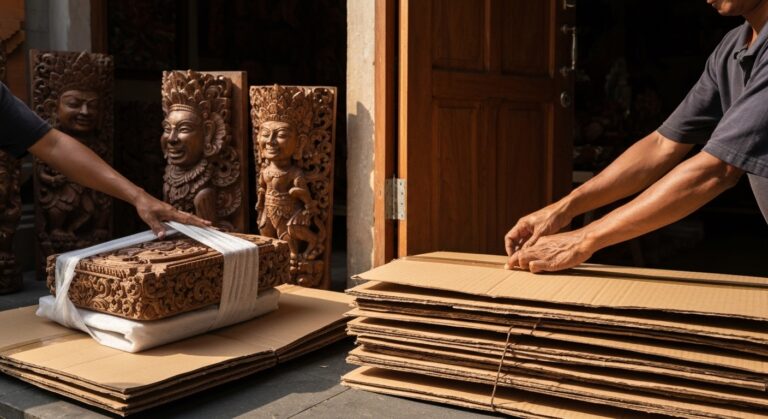
- Private jet passengers bringing personal effects, gifts, or high-value items above standard passenger duty-free allowances.
- Companies coordinating executive travel who want customs questions answered before arrival rather than discovered at the counter.
- Event organizers and production teams bringing equipment for a limited period that may qualify for temporary import treatment rather than full commercial import.
How does the coordination process work in practice?
The process starts with a pre-arrival consultation: what is being carried, its approximate value, whether it is for personal use, temporary event use, or commercial purposes, and the expected date of arrival. Based on that information, our desk outlines what documentation is typically expected and flags any category that may require additional clearance from customs or another technical authority. This is guidance, not a guarantee — final determination of duty, required paperwork, and whether an item is restricted always rests with Indonesian customs authorities at the airport, and can vary by case even for similar-looking shipments.
For items that exceed standard passenger allowances or fall into a commercial gray area, our desk can help prepare supporting paperwork in advance so the arrival process moves as smoothly as procedure allows. This often overlaps with clients who also need standard customs clearance for a parallel commercial shipment arriving separately by air or sea freight.
What we do not do
We do not offer, imply, or arrange any way to bypass customs inspection, avoid duty payment, or expedite clearance outside the normal procedural channel. We do not name individual customs officers or describe internal agency procedures, and we do not guarantee a specific clearance time — those variables depend on the case, the item, and the customs authority’s own risk-based assessment on the day. Any company or individual seeking that kind of shortcut should understand it is not something a legitimate customs desk can provide, and requesting it puts the traveler at legal risk.
How this differs from a fast-track ground handling service
Fast-track and VIP ground handling services manage the physical experience of arrival — a private terminal, expedited immigration queue, luggage handling, and transport coordination. Those services are valuable and widely available through dedicated ground handling providers. Our role sits alongside that: we focus specifically on the customs paperwork and classification questions that a ground handling team is not typically equipped to resolve, particularly for business cargo, samples, or high-value personal items that need proper documentation regardless of how quickly the traveler themselves moves through the terminal.
Planning ahead for a 2027 arrival
Companies planning executive travel, product launches, or corporate events in Bali during 2027 should raise customs questions during the planning stage rather than a day before arrival. This gives enough lead time to confirm whether temporary import treatment applies, whether any item needs pre-clearance documentation, and what the realistic expectations should be for the day of arrival — since Indonesian customs rules, duty treatment, and documentation requirements are confirmed case by case and can change, and our desk always verifies current requirements before finalizing any advice.
What information should you have ready before contacting the desk?
To make the first consultation useful, it helps to have a clear picture of a few things before reaching out: a general description of what is being carried and its approximate value, whether the trip is personal, corporate, or event-related, the expected arrival date, and whether any cargo is arriving separately by air or sea freight. With that picture, our desk can flag likely documentation needs early rather than leaving them to be discovered at the terminal.
Overflight and landing permit questions for private aircraft
Operators arranging a private aircraft arrival sometimes also need overflight and landing permit coordination alongside the customs side of the trip. While permit processing itself sits with aviation authorities rather than customs, our desk can point operators to the right coordination channel so the customs and permit tracks move in parallel rather than becoming a bottleneck for each other closer to the arrival date.
Marine arrivals and yacht clearance
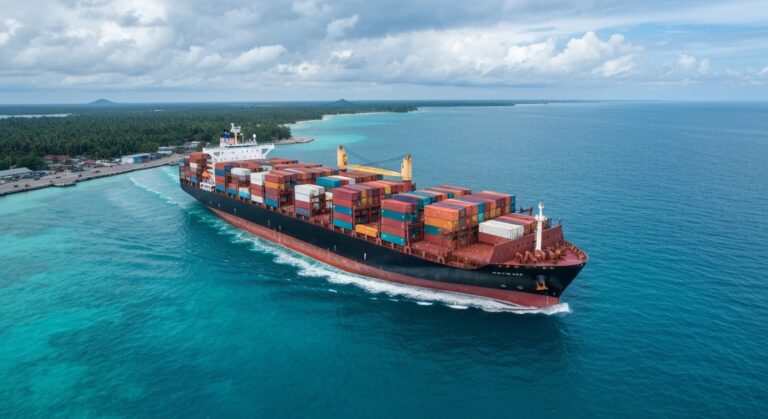
For clients arriving by sea rather than air — superyachts, chartered vessels, or corporate marine transport calling at Benoa — customs treatment follows a different track from airport arrivals, covered separately under yacht and marine clearance. If your itinerary includes both an air arrival for some members of the party and a vessel arrival for equipment or additional guests, it is worth flagging both legs during the initial consultation so documentation for each is prepared on its own timeline.
Why case-by-case confirmation matters for VIP arrivals
Two shipments that look similar on paper — same category of item, similar declared value — can be treated differently by customs depending on documentation quality, the specific classification applied, and factors outside any service provider’s control. This is why our desk avoids quoting fixed clearance times or guaranteed outcomes for VIP arrivals. What we can commit to is thorough preparation ahead of the trip and responsive coordination if a question comes up with customs on the day, always working within the procedure that Indonesian customs authorities require.
Documentation categories that commonly apply
While our desk does not publish a fixed checklist that applies to every arrival, the categories that typically come up include proof of ownership or purchase for high-value personal items, a description and declared value for business samples, and any relevant permit documentation for equipment that will remain in Indonesia beyond a short visit. Which of these apply to a specific trip depends entirely on what is being carried and the traveler’s stated purpose, which is why the pre-arrival consultation matters more than a generic template.
To discuss a VIP arrival or delegation shipment, contact our business desk via WhatsApp +62 811-3941-4563 or email [email protected].