



“`html
Shipping from UK to Bali: Customs, Duties & Timeline
Embarking on the journey of shipping from the UK to Bali is an exciting prospect, whether you’re relocating, sending personal belongings, or importing goods for business. Bali, a tropical paradise, offers a unique destination, but navigating its customs regulations can be complex. Understanding the intricacies of import duties, taxes, prohibited items, and the overall timeline is crucial for a smooth and stress-free experience. This comprehensive guide will equip you with the essential knowledge to ensure your shipment arrives safely and efficiently in the Island of the Gods.
1. Understanding Indonesian Customs Regulations & HS Codes
Indonesia, including Bali, has a structured customs system managed by the Directorate General of Customs and Excise (DJBC). All imported goods are subject to classification using the Harmonized System (HS) codes. These six-digit codes are internationally recognized and are used to determine applicable duties, taxes, and other import restrictions.
- HS Codes: Each product category has a specific HS code. For example, electronics, clothing, furniture, and even personal effects will have distinct codes. It is vital to ensure your items are correctly classified with their corresponding HS codes to avoid delays, penalties, or incorrect duty assessments.
- Import Licenses & Permits: Depending on the nature of the goods, specific import licenses or permits may be required. This is particularly true for commercial goods, food products, pharmaceuticals, and certain electronics. Businesses shipping commercial goods should consult with a freight forwarder or a customs clearance agent in Bali to verify these requirements.
- Prohibited & Restricted Items: Indonesia has a list of prohibited and restricted items. These typically include illegal drugs, weapons, certain publications, and items that may be harmful to public health or the environment. It is essential to check the latest regulations on the DJBC website or with your shipping partner before sending anything.
2. Calculating Bali Import Tax & Duties
When shipping from the UK to Bali, you will likely encounter several types of taxes and duties levied by the Indonesian government. The primary tax is Value Added Tax (VAT), which is currently set at 11% for most goods.
- Import Duty: This is a percentage of the value of the imported goods. The rate varies significantly depending on the HS code of the product. For example, luxury goods may attract higher import duties than essential items.
- VAT (Value Added Tax): As mentioned, this is a standard 11% applied to the CIF (Cost, Insurance, and Freight) value of the goods, plus any import duty and other taxes.
- PPh Pasal 22 (Income Tax Article 22): For certain goods, an income tax may also be applicable. The rate can vary, and it often depends on whether the importer has an import license.
- Luxury Goods Sales Tax (PPnBM): For specific high-value or luxury items (e.g., certain vehicles, high-end electronics), an additional Luxury Goods Sales Tax may apply.
The total cost of importing will be the sum of the item’s value, shipping costs, insurance, import duty, VAT, and any other applicable taxes. Accurate valuation of your goods is paramount, as customs authorities may challenge undervaluation. It is advisable to have invoices and proof of purchase readily available.
3. Shipping Methods & Their Impact on Timeline
The choice of shipping method from the UK to Bali directly influences the transit time and cost. Each has its pros and cons, and understanding these will help you plan your shipment effectively.
- Air Freight: This is the fastest option, typically taking anywhere from 3 to 10 days for transit. It’s ideal for urgent shipments, high-value items, or when minimizing transit time is a priority. However, air freight is generally the most expensive option.
- Sea Freight (Consolidated/LCL – Less than Container Load): If you have a smaller volume of goods, LCL shipping allows you to share container space with other shipments. This is a more economical choice than air freight but takes longer, usually between 4 to 8 weeks for transit, plus customs clearance time.
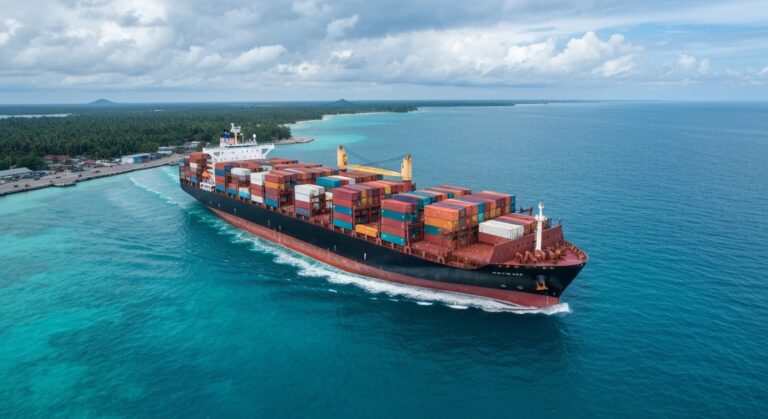
- Sea Freight (Full Container Load/FCL): For larger shipments, renting an entire shipping container (20ft or 40ft) offers efficiency and security. Transit times are similar to LCL, ranging from 4 to 8 weeks, but it can be more cost-effective per cubic meter for substantial volumes.
Remember that transit times are only part of the equation. Customs clearance in both the UK (export) and Bali (import) adds to the overall timeline. Delays can occur due to incomplete documentation, inspections, or high volumes at customs.
4. The Customs Clearance Process in Bali
customs clearance process in Bali requires meticulous attention to detail. Engaging a professional customs clearance agent in Bali or a reliable freight forwarder is highly recommended. They will handle the complex paperwork and liaison with customs authorities on your behalf.
- Documentation: The essential documents typically include:
- Bill of Lading (for sea freight) or Air Waybill (for air freight)
- Commercial Invoice (detailing goods, quantities, value, and HS codes)
- Packing List
- Import Declaration (PPJK – if not handled by the agent)
- Import License/Permits (if required)
- Certificate of Origin (sometimes required)
- Customs Declaration: Your agent will submit the import declaration to the DJBC, including all relevant HS codes and declared values.
- Inspection: Customs may select your shipment for physical inspection to verify the declared contents against the documentation. This is a common procedure.
- Duty & Tax Assessment: Based on the declared goods and their HS codes, customs will calculate the applicable duties and taxes.
- Payment: Once assessed, the duties and taxes must be paid to release the goods.
- Release: After payment and successful clearance, your goods will be released for delivery to your final destination in Bali.
The entire process can take anywhere from a few days to several weeks, depending on the complexity of the shipment, accuracy of documentation, and the workload at customs.
5. Tips for a Smooth Shipping Experience
To ensure your shipping from the UK to Bali is as smooth as possible, consider these essential tips:
- Accurate Valuation: Be honest and precise with the declared value of your goods. Undervaluing can lead to penalties and delays.
- Proper Documentation: Ensure all documents are complete, accurate, and submitted promptly. Any discrepancies can cause significant delays.
- Understand Prohibited Items: Double-check the list of prohibited and restricted items in Indonesia.
- Hire a Reputable Agent: Partner with an experienced customs clearance agent in Bali or a trusted freight forwarder. Their expertise is invaluable.
- Factor in All Costs: Beyond the shipping cost, include import duties, taxes, agent fees, and potential warehousing charges in your budget.
- Communicate Clearly: Maintain open communication with your shipping company and customs agent throughout the process.
- Allow Ample Time: Do not underestimate the time required for customs clearance. Plan your shipment well in advance of when you need your items to arrive.
- Insurance: Ensure your shipment is adequately insured against loss or damage during transit.
Frequently Asked Questions
Q1: How much duty will I pay when shipping from the UK to Bali?
A1: The amount of duty depends on the type of goods and their HS code classification. Import duties can range from 0% to over 100% for certain luxury items. VAT of 11% is applied to the CIF value plus duty.
Q2: Can I ship personal effects to Bali?
A2: Yes, personal effects can be shipped to Bali, but they are still subject to customs inspection and potential duties/taxes if deemed not for personal use or if they fall into specific categories. It’s best to consult with a shipping agent in Bali for specific guidance on personal effects.
Q3: What is the average timeline for shipping from the UK to Bali?
A3: Air freight typically takes 3-10 days, while sea freight (LCL or FCL) takes 4-8 weeks for transit, plus customs clearance time which can add several days to weeks.
Q4: Do I need a special license to import goods into Bali for commercial purposes?
A4: Yes, for commercial imports, you will likely need an import license (API – Angka Pengenal Impor) and potentially other specific permits depending on the product. A freight forwarder can guide you through this process.
“`