



“`html
Bali Customs Rules for Tourists 2026: What You Can Bring
Planning your dream vacation to the Island of the Gods? Bali, Indonesia, welcomes millions of tourists each year, drawn by its stunning beaches, vibrant culture, and spiritual allure. As you pack your bags, it’s crucial to navigate the bali customs rules tourists must adhere to in 2026. Understanding what you can and cannot bring into the country will ensure a smooth and stress-free arrival, allowing you to focus on enjoying your Balinese adventure. This comprehensive guide will break down the essential regulations, from personal belongings to prohibited items, helping you pack wisely and avoid any unwelcome surprises at customs.
1. Personal Belongings and Duty-Free Allowances
When entering Bali as a tourist, you are permitted to bring personal belongings that are intended for your own use during your stay. This typically includes:
- Clothing and Footwear: A reasonable quantity for personal use.
- Toiletries: Standard personal hygiene items.
- Personal Electronics: Such as cameras, laptops, and mobile phones.
- Medicines: For personal use, ideally with a doctor’s prescription if the quantity is significant or the medicine is controlled.
In addition to personal items, tourists are also granted duty-free allowances for certain goods. As of 2026, these allowances generally include:
- Alcoholic Beverages: Up to 1 liter per adult.
- Tobacco Products: Up to 200 cigarettes, 50 cigars, or 100 grams of tobacco per adult.
- Perfumes and Eau de Toilette: A reasonable quantity for personal use.
It’s important to note that exceeding these allowances may result in the assessment of import duties and taxes, which is a key aspect of bali customs rules tourists. If you have items that might fall into a grey area or exceed these limits, consider consulting with a professional regarding Bali import tax.
2. Prohibited and Restricted Items
To maintain safety, security, and public health, the Indonesian government, including Bali, strictly prohibits or restricts certain items from being imported. Familiarizing yourself with these is paramount to avoiding confiscation and potential legal repercussions. Key categories include:
- Narcotics and Psychotropic Substances: Absolutely forbidden. Severe penalties apply.
- Firearms, Ammunition, and Explosives: Unless specifically authorized by the Indonesian authorities for official purposes.
- Pornographic Materials: Including printed matter, visual media, and digital content.
- Chinese Medicine and Certain Food Products: Some traditional medicines, herbs, and foodstuffs may require permits or are prohibited due to sanitary and phytosanitary concerns. This includes certain types of meat, fish, and plant products.
- Pre-recorded Cassettes, Films, Records, and Compact Discs: If deemed to be of a seditious nature or likely to disturb public order.
- Unlicensed Radio Transmitters and Equipment: May require special permits.
Always double-check the latest regulations on the Directorate General of Customs and Excise (DJBC) website or consult with a local expert to ensure compliance with bali customs rules tourists.
3. Bringing in Large Amounts of Cash
Indonesia has regulations regarding the amount of cash you can bring into the country without declaring it. As of 2026, if you are carrying cash, bank drafts, or other similar instruments exceeding:
- IDR 100,000,000 (one hundred million Indonesian Rupiah) or its equivalent in foreign currency,
you are legally required to declare these amounts to customs. Failure to declare can lead to confiscation of the undeclared funds and potential penalties. This declaration process is a crucial part of adhering to bali customs rules tourists.
4. Importing Goods for Commercial Purposes
The bali customs rules tourists are designed for personal use. If you intend to import goods for commercial purposes, such as samples for a business, items for resale, or equipment for a professional project, you will be subject to different regulations. These typically involve:
- Import Licenses: You may need specific import permits depending on the nature of the goods.
- Customs Duties and Taxes: Commercial goods are generally subject to import duties, VAT (currently 11% in Indonesia), and potentially other taxes.
- HS Codes: Each commodity is assigned a Harmonized System (HS) code, which determines the applicable duties and taxes. Understanding these codes is vital for commercial imports.
For commercial imports, it is highly recommended to engage a professional freight forwarder or a shipping agent who can manage the complex procedures, ensure compliance, and handle the logistics efficiently. Navigating these aspects is a specialized service that goes beyond typical tourist regulations.
5. Special Considerations for Specific Items
Beyond the general categories, there are specific items that often require closer attention under bali customs rules tourists:
- Pets: Importing pets into Bali is a complex process involving health certificates, vaccination records, quarantine periods, and specific permits. It’s advisable to research these requirements well in advance and work with specialized pet relocation services.
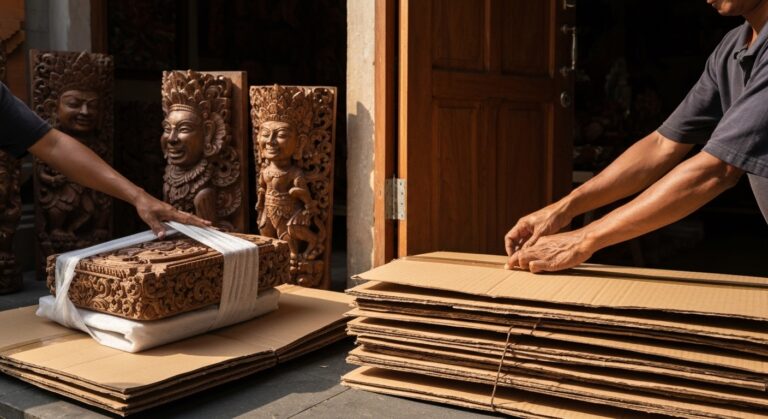
- Antiques and Cultural Artifacts: Exporting or importing genuine antiques or cultural artifacts may require special permits and documentation to prevent illicit trade and preserve heritage.
- Alcohol and Tobacco for Personal Consumption: While there are duty-free allowances, remember these are strictly for personal use. Bringing large quantities for gifting or distribution could be misconstrued as commercial activity.
- Electronic Devices: While personal electronics are generally allowed, be aware that certain high-powered radio transmitters or drones might require specific permits.
Always verify the latest regulations with official sources or a professional customs clearance Bali service before your travel.
Frequently Asked Questions about Bali Customs Rules for Tourists
Q1: Can I bring prescription medication into Bali?
A1: Yes, you can generally bring prescription medication for personal use. It’s highly recommended to carry a copy of your prescription and keep the medication in its original packaging. If you are bringing a large quantity, it’s wise to have a doctor’s note.
Q2: What happens if I bring something that is prohibited?
A2: Prohibited items will be confiscated. Depending on the item, you may also face fines or other legal penalties, especially for serious offenses like drug smuggling.
Q3: How much alcohol can I bring into Bali as a tourist?
A3: Tourists are generally allowed to bring up to 1 liter of alcoholic beverage per adult duty-free. Exceeding this limit will likely incur import duties and taxes.
Q4: Do I need to declare my laptop and camera?
A4: Generally, personal laptops and cameras for your own use do not need to be declared. However, if you are bringing a very large number of electronic devices, especially for commercial purposes, it’s best to be prepared for potential scrutiny.
Navigating international customs can be daunting, especially when planning a trip to a popular destination like Bali. Understanding the bali customs rules tourists need to follow is the first step towards a smooth and enjoyable experience. From personal belongings and duty-free allowances to prohibited items and cash declarations, staying informed is key. For any specific concerns, commercial imports, or complex clearance needs, remember that expert assistance is available. Don’t let customs complexities overshadow your Bali adventure; ensure you are well-prepared.