

“`html
Importing Goods into Indonesia for Foreign Businesses
Embarking on business ventures in the dynamic Indonesian market requires a thorough understanding of its import procedures. For foreign businesses, intricacies of importing goods into Indonesia can seem daunting, with a complex web of regulations, documentation, and potential duties. However, with the right knowledge and preparation, the process can be streamlined, ensuring your products reach their destination efficiently. This comprehensive guide is designed to equip foreign businesses with the essential information needed for successful customs clearance and importation into Indonesia, a nation brimming with economic opportunity.
1. Understanding Indonesian Import Regulations and Key Authorities
Indonesia, with its vast archipelago and growing economy, has established a robust framework for controlling the flow of goods. The primary authority overseeing customs and excise matters is the Directorate General of Customs and Excise (DJBC), a part of the Ministry of Finance. Foreign businesses must be aware of several key regulatory aspects:
- Import Licenses and Permits: Depending on the type of goods being imported, specific import licenses or permits may be required. These can range from general import permits (API – Angka Pengenal Impor) to specific permits issued by relevant ministries (e.g., Ministry of Trade, Ministry of Health, Ministry of Agriculture). For certain goods, such as food, pharmaceuticals, and hazardous materials, stringent health and safety certifications are mandatory.
- Prohibited and Restricted Goods: The DJBC maintains lists of goods that are prohibited from being imported or are subject to restrictions. These often include items that pose a threat to public health, safety, national security, or the environment, as well as goods that compete unfairly with domestic industries. It’s crucial to verify the status of your intended imports well in advance.
- Customs Valuation: The value of imported goods for customs purposes is typically based on the transaction value, which is the price actually paid or payable for the goods when sold for export to Indonesia. This value forms the basis for calculating import duties and taxes.
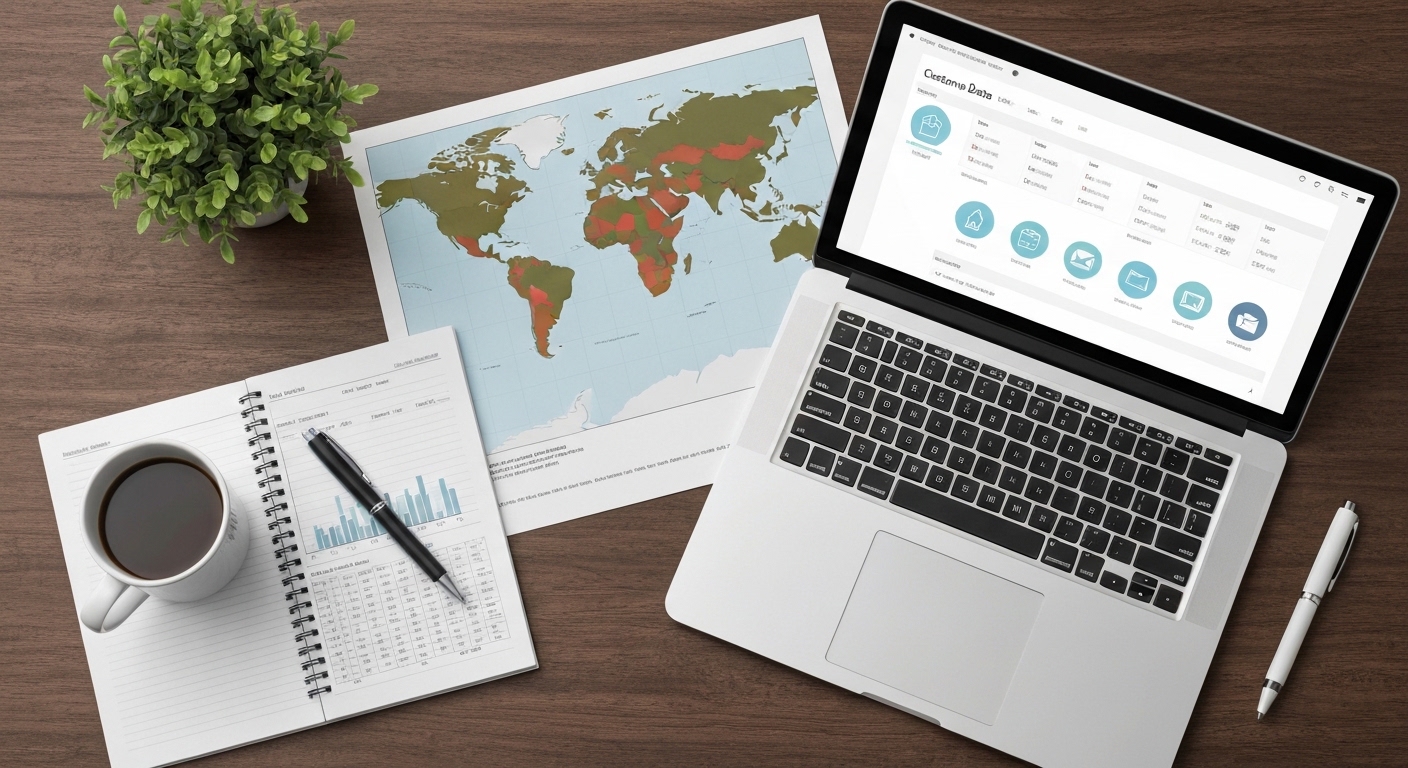
- Documentation Requirements: Accurate and complete documentation is paramount. Common documents include the Commercial Invoice, Packing List, Bill of Lading/Air Waybill, Certificate of Origin, and any required permits or licenses. Any discrepancies can lead to delays and penalties.
2. Harmonized System (HS) Codes and Tariff Classification
The Harmonized System (HS) is an internationally standardized system of names and numbers to classify traded products. Indonesia, like most countries, uses the HS code system to determine applicable import duties and taxes. Correctly classifying your goods is a critical step:
- What are HS Codes? HS codes are typically six-digit codes, but countries often extend them with additional digits to specify more detailed product categories. Indonesia uses a 10-digit system (BTKI – Buku Tarif Kepabeanan Indonesia).
- Importance of Accurate Classification: Misclassifying goods can lead to incorrect duty and tax assessments, potentially resulting in overpayment or underpayment, which can incur penalties, fines, and significant delays.
- How to Find the Right HS Code: You can find the relevant HS codes through the official DJBC website, by consulting your freight forwarder, or by engaging a customs specialist. It’s essential to have detailed product descriptions and specifications to ensure accurate classification.
- Impact on Duties and Taxes: Different HS codes carry different duty rates. Understanding these rates will help you accurately forecast your import costs and budget effectively.
3. Navigating Import Duties and Taxes in Indonesia
Indonesia levies several types of duties and taxes on imported goods, which are crucial for foreign businesses to factor into their costings. As of 2026, these generally include:
- Import Duty: This is a percentage of the CIF (Cost, Insurance, and Freight) value of the goods. Import duty rates vary significantly depending on the HS code and can range from 0% to over 30%.
- Value Added Tax (VAT) – PPN: The standard VAT rate in Indonesia is 11%. VAT is calculated on the sum of the CIF value, import duty, and any other applicable taxes.
- Income Tax (PPh Pasal 22 Impor): This is a withholding tax on imports, levied at rates typically ranging from 2.5% to 7.5% of the CIF value plus import duty. The rate can be lower for businesses that have obtained an import facility or are registered as Authorized Economic Operators (AEOs).
- Luxury Goods Sales Tax (PPnBM): This tax applies to specific luxury goods, with rates varying between 10% and 50%, depending on the classification of the item.
- Understanding Your Obligations: It is vital to accurately calculate these charges to avoid unexpected costs or compliance issues. Consulting with a Bali import tax expert or your shipping agent can provide clarity on specific liabilities.
4. The Customs Clearance Process: Step-by-Step
The actual customs clearance process in Indonesia involves several key stages. While the specifics can vary based on the type of goods and the importer’s status, a general overview includes:
- Pre-Arrival Notification: For most shipments, an electronic declaration known as the “CEISA” system is used to submit import documents to the DJBC before the goods arrive.
- Submission of Import Declaration (PIB): Once goods arrive at the port or airport, a formal Import Declaration (Pemberitahuan Impor Barang – PIB) must be submitted to customs. This declaration contains detailed information about the goods, their value, origin, and intended use.
- Document Verification and Inspection: Customs authorities will review the submitted documents. Depending on the risk assessment, goods may be subject to a physical inspection (red channel or yellow channel).
- Assessment of Duties and Taxes: Based on the PIB and inspection results, customs will assess the applicable import duties and taxes.
- Payment of Duties and Taxes: The importer is required to pay the assessed duties and taxes within a specified timeframe.
- Release of Goods: Upon successful verification, payment, and completion of any necessary procedures, customs will issue a release order, allowing the importer to take possession of their goods.
Working with an experienced customs clearance Bali agent can significantly expedite this process by ensuring all documentation is accurate and submitted correctly, and by liaising effectively with customs officials.
5. Choosing the Right Partners: Freight Forwarders and Customs Agents
For foreign businesses, partnering with reliable local experts is not just beneficial; it’s often essential for smooth operations in Indonesia. These partners act as your eyes and ears on the ground, navigating complex local procedures and regulations.
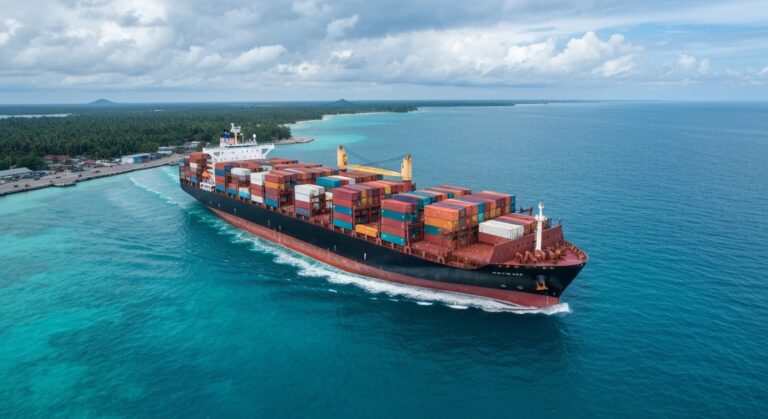
- Freight Forwarders: A freight forwarder manages the logistics of your shipment from origin to destination. They can arrange for transportation, consolidate shipments, handle shipping documentation, and advise on the best routes and modes of transport. A good freight forwarder will also have strong relationships with shipping lines and airlines.
- Customs Clearance Agents: These specialists are experts in Indonesian customs regulations and procedures. They prepare and submit all necessary import declarations, liaise with customs officials, and ensure compliance with all legal requirements. A reputable customs clearance Bali agent will help prevent delays and penalties.
- Shipping Agents: A shipping agent often acts on behalf of the shipping line or airline at the destination port or airport. They can assist with port formalities, cargo handling, and obtaining necessary release documents.
- Due Diligence is Key: When selecting partners, conduct thorough due diligence. Look for agents with a proven track record, good communication skills, transparency in their pricing, and a deep understanding of the specific types of goods you are importing.
Frequently Asked Questions
Q1: What is the average time it takes for customs clearance in Indonesia?
A1: The time for customs clearance can vary significantly, typically ranging from 1 to 5 working days for standard shipments with all documentation in order. However, shipments requiring inspection or facing regulatory hurdles can take longer.
Q2: Can a foreign company import directly into Indonesia without a local entity?
A2: While it’s possible in some cases, it’s often more straightforward and legally compliant for foreign companies to establish a presence or work through a local partner or importer of record. This ensures proper registration and tax compliance.
Q3: What are the penalties for incorrect customs declarations?
A3: Penalties for incorrect customs declarations can include fines, seizure of goods, and even criminal charges in severe cases. It is crucial to ensure all information provided to customs is accurate and truthful.
Q4: How can I ensure my imported goods comply with Indonesian standards?
A4: Ensure your goods meet Indonesian National Standards (SNI) where applicable. For food, pharmaceuticals, and cosmetics, obtaining Halal certification and adhering to BPOM (National Agency of Drug and Food Control) regulations is essential. Consult with your freight forwarder or a customs specialist for guidance on specific product compliance.
“`