



Shipping Container to Bali: FCL vs LCL Explained
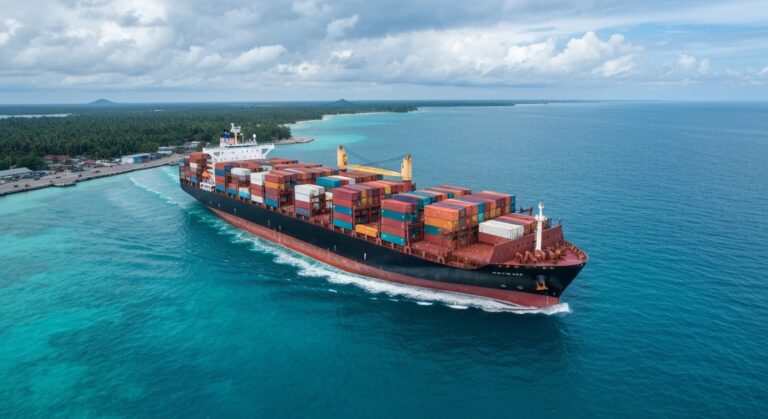
Planning to send a shipping container to Bali? Whether you’re relocating, importing goods for your business, or sending personal belongings, understanding the options for transporting your cargo is crucial. The two primary methods for shipping a container are Full Container Load (FCL) and Less than Container Load (LCL). Each offers distinct advantages and disadvantages depending on the volume of your goods, your budget, and your timeline. complexities of international shipping and customs clearance in Bali requires careful consideration of these choices. This guide will break down FCL and LCL shipping to help you make the most informed decision for your shipping container Bali journey.
Understanding Full Container Load (FCL)
Full Container Load (FCL) shipping means you hire an entire shipping container exclusively for your goods. This is the most straightforward method when you have enough items to fill a standard container, typically a 20-foot or 40-foot unit. With FCL, your cargo is loaded directly into your dedicated container at your origin point, sealed, and transported to Bali. It remains sealed until it reaches its final destination and is unpacked by you or your designated agent.
Benefits of FCL Shipping:
- Speed: FCL shipments generally move faster as they don’t require consolidation or deconsolidation at ports. The container is loaded and sent directly.
- Security: Your goods are the only ones in the container, minimizing the risk of damage, loss, or theft from other cargo. The seal remains unbroken throughout transit.
- Cost-Effectiveness for Large Shipments: While the upfront cost is higher than LCL, if you have a substantial volume of goods, FCL becomes more economical per cubic meter than LCL.
- Flexibility: You have more control over loading and unloading schedules, although this is often managed by your freight forwarder.
- Reduced Handling: Less physical handling of your goods means a lower chance of damage.
When to Choose FCL:
- You have enough goods to fill at least half of a standard container (20ft or 40ft).
- Your items are fragile or valuable and require maximum security.
- You prioritize speed and efficiency in delivery.
- You are importing a significant volume of goods for commercial purposes.
Understanding Less than Container Load (LCL)
Less than Container Load (LCL) shipping is ideal for smaller shipments that do not require a full container. In LCL shipping, your goods are consolidated with shipments from other individuals or businesses into a single container. This shared space arrangement makes it a more affordable option for those with limited cargo volume.
How LCL Works:
- Consolidation: Your goods are picked up and taken to a consolidation warehouse.
- Container Loading: Your items are packed into a shared container alongside other shipments heading to Bali.
- Transit: The consolidated container travels to Bali.
- Deconsolidation: Upon arrival, the container is taken to a deconsolidation warehouse where your goods are separated from the other shipments.
- Delivery: You then collect your goods or arrange for local delivery.
Benefits of LCL Shipping:
- Cost Savings for Small Shipments: You only pay for the space your goods occupy, making it significantly cheaper for smaller volumes.
- Flexibility: Suitable for sending smaller quantities of goods without the commitment of a full container.
- Accessibility: Opens up international shipping options for individuals and small businesses that might not have the volume for FCL.
Potential Downsides of LCL:
- Longer Transit Times: The consolidation and deconsolidation processes add time to the overall shipping duration.
- Increased Handling: Your goods are handled multiple times during packing, unpacking, and loading, increasing the risk of damage.
- Less Control: You have less control over the packing and transit of your goods as they are mixed with others.
- Potential for Delays: Delays in one shipment within the consolidated container can affect others.
Comparing FCL and LCL: Key Differences
The choice between FCL and LCL hinges on several factors, with volume and cost being primary drivers. Let’s break down the key distinctions:
1. Volume of Goods:
- FCL: Best for shipments that occupy a significant portion of a container (e.g., 10 cubic meters or more for a 20ft container, or 20 cubic meters or more for a 40ft container).
- LCL: Ideal for shipments that are considerably less than a full container’s capacity, often ranging from a few boxes to several pallets.
2. Cost Structure:
- FCL: You pay a flat rate for the entire container, regardless of whether it’s completely full. This becomes more economical per unit of volume when the container is nearly full.
- LCL: You pay based on the volume (cubic meters) or weight of your shipment, whichever is greater, often referred to as “chargeable weight.” This is more cost-effective for smaller quantities.
3. Transit Time:
- FCL: Generally faster due to fewer handling points and direct transit.
- LCL: Slower due to the need for consolidation and deconsolidation at origin and destination ports.
4. Security and Risk:
- FCL: Higher security as the container is sealed and dedicated to your goods. Lower risk of damage due to less handling.
- LCL: Higher risk of damage and potential loss due to multiple handling points and shared space with other cargo.
The Role of Customs Clearance in Bali
Regardless of whether you choose FCL or LCL for your shipping container Bali, navigating Indonesian customs is a critical step. The Directorate General of Customs and Excise (DJBC) in Indonesia enforces import regulations, duties, and taxes. As of 2026, the standard VAT (Value Added Tax) on imported goods is 11%. Other duties and taxes may apply depending on the HS code classification of your goods.
A reliable customs clearance Bali agent or a professional shipping agent is invaluable in this process. They will ensure all necessary documentation is in order, accurate declarations are made, and that your goods comply with Indonesian import laws. This helps avoid costly delays, fines, or even confiscation of your shipment.
Navigating Import Duties and Taxes in Bali
Understanding Bali import tax is essential for budgeting your shipment. Indonesian import regulations are comprehensive and can be complex. The primary taxes and duties you may encounter include:
- Import Duty: Varies based on the HS (Harmonized System) code of the imported product. Rates can range from 0% to 175%, with most common goods falling within the 5-30% range.
- Value Added Tax (VAT): Currently set at 11% of the CIF (Cost, Insurance, and Freight) value of the goods plus import duty.
- Income Tax (PPh Pasal 22): A withholding tax on imports, often ranging from 2.5% to 7.5% depending on whether the importer has an API (Import Identification Number) and is a registered taxpayer.
- Luxury Goods Sales Tax (PPnBM): Applicable to specific luxury items, with rates varying by category.
It is crucial to work with a knowledgeable freight forwarder or a local shipping agent who can accurately determine the applicable duties and taxes based on your specific cargo. Incorrect declarations can lead to penalties and significant financial implications. For businesses, obtaining an API is often recommended to benefit from lower import tax rates.
Frequently Asked Questions about Shipping to Bali
A1: Transit times vary greatly. FCL shipments can take anywhere from 2-6 weeks depending on the origin port and shipping route. LCL shipments typically take longer, often 4-8 weeks or more, due to consolidation and deconsolidation processes.
A2: Essential documents usually include a Bill of Lading or Air Waybill, Commercial Invoice, Packing List, Certificate of Origin, and any specific permits or licenses required for your goods (e.g., for food, electronics, or vehicles). Your customs clearance Bali agent will guide you through the specifics.
A3: Yes, you can ship personal effects and household goods. However, there are specific regulations and potential restrictions on certain items. It’s advisable to consult with a shipping agent experienced in handling personal relocations to Bali to ensure compliance and avoid issues with customs.
A4: A freight forwarder typically handles the logistics of your shipment from origin to destination, including booking space, managing documentation, and coordinating transport. A shipping agent in Bali often specializes in handling the local aspects of your shipment, particularly customs clearance and port formalities on arrival. They can be one and the same or distinct roles depending on the service provider.
Ready to ship your container to Bali? Whether you’ve decided on FCL or LCL, partnering with the right experts is key to a smooth and efficient process. From intricacies of customs clearance Bali to understanding Bali import tax, our team is here to assist. As experienced freight forwarder and shipping agent professionals, we offer comprehensive solutions tailored to your needs. Contact us today for a free consultation and let us handle the complexities of your Bali shipment.