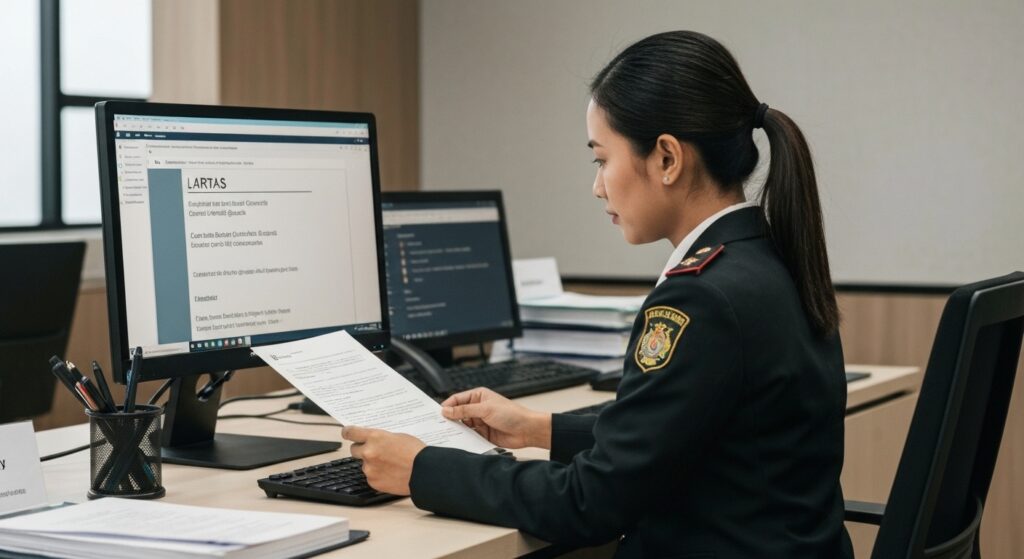
LARTAS Restricted Goods Compliance in Bali
LARTAS — an abbreviation of Larangan dan Pembatasan (Prohibitions and Restrictions) — is Indonesia’s regulatory framework governing the import and export of goods that require special permits, licenses, or certifications beyond standard customs documentation. Understanding and complying with LARTAS regulations is critical for any business importing or exporting through Bali, as non-compliance can result in cargo detention, seizure, substantial fines, and even criminal prosecution. BaliCustomsClearance.com provides expert LARTAS compliance services, guiding businesses through the complex web of restrictions administered by over 20 Indonesian government ministries and agencies.
The LARTAS system applies to thousands of product categories identified by specific HS codes, and the regulations are frequently updated as government policies evolve. Products commonly affected include food and beverages (BPOM), pharmaceuticals and cosmetics (BPOM), textiles and garments (Ministry of Trade), electronics (Ministry of Trade/SNI), telecommunications equipment (Ministry of Communication), hazardous materials (Ministry of Environment), steel and iron products (Ministry of Trade), and agricultural products (Ministry of Agriculture). Our LARTAS compliance team maintains a continuously updated database of all restricted product categories and their associated permit requirements, ensuring your shipments are fully compliant before they arrive at Indonesian customs.
LARTAS Categories
Import Restrictions
Products requiring import permits include food (BPOM ML number), electronics (SNI certification), textiles (PI-Tekstil verification report), steel (automatic approval), pharmaceuticals (import license), cosmetics (BPOM notifikasi), telecommunications equipment (SDPPI certification), and used capital goods (Surveyor report).
Export Restrictions
Controlled exports include certain minerals and raw materials (export duty/ban), timber products (SVLK/V-Legal), wildlife products (CITES permits), cultural artifacts (heritage clearance), certain agricultural commodities (export permits), and strategic goods (dual-use technology controls). We ensure all export restrictions are identified and addressed.
Prohibited Items
Certain products are completely prohibited from import or export. These include narcotics and precursor chemicals, certain weapons and ammunition, counterfeit goods, products containing banned substances (asbestos, certain chemicals), pornographic materials, and products from sanctioned countries. We screen all shipments against prohibition lists.
Our LARTAS Compliance Process
Our LARTAS compliance service begins with a thorough product screening. Before any shipment is dispatched to or from Indonesia, we analyze each product’s HS code against the current LARTAS database to identify all applicable restrictions. This pre-shipment screening prevents the common and costly mistake of shipping goods to Indonesia only to discover at customs that the products require permits that haven’t been obtained — a situation that can result in weeks of delay and significant demurrage charges while permits are processed.
For products identified as LARTAS-restricted, we initiate the permit acquisition process with the relevant government agency. Each agency has its own application procedures, documentation requirements, processing timelines, and fees. Our LARTAS team is experienced with all major regulatory bodies and maintains working relationships that facilitate efficient application processing. We prepare all required documentation, submit applications, respond to any agency queries, and track processing status until permits are issued.
Once permits are in hand, we integrate them into the customs clearance documentation to ensure seamless processing. During customs examination, officials verify that LARTAS permits match the imported or exported goods in terms of product description, quantity, country of origin, and other permit-specific parameters. Any discrepancy between the permit and the actual goods can result in clearance failure. Our documentation team performs detailed pre-clearance verification to catch and resolve any discrepancies before customs submission.
Common LARTAS Challenges in Bali
Bali’s diverse economy creates unique LARTAS compliance challenges. The hospitality industry frequently imports food products, wines, and cosmetics that fall under BPOM and quarantine restrictions. Furniture manufacturers export timber products requiring SVLK certification. The yachting community imports marine equipment and spare parts that may require Ministry of Trade permits. Art galleries and cultural exports must navigate heritage protection regulations. Our Bali-specific expertise ensures that the particular LARTAS challenges relevant to the island’s key industries are handled efficiently and without disruption to business operations.
Related Services
See our Customs Clearance for comprehensive import/export services. We handle HS Code Consultation for product classification, Import Permits & Licensing for regulatory approvals, Pharmaceutical Import for BPOM-regulated products, and Dangerous Goods Handling for hazmat compliance.
Frequently Asked Questions
How do I know if my product is LARTAS-restricted?
Every product’s LARTAS status is determined by its HS code. Our team performs a LARTAS screening by classifying your product under the correct HS code and checking it against the INSW (Indonesia National Single Window) LARTAS database. We recommend screening all products before shipping to avoid delays. Send your product details to sales@balipremiumtrip.com for a free LARTAS pre-screening assessment.
How long does it take to obtain LARTAS permits?
Processing times vary significantly by agency and permit type. BPOM product registration can take 2-6 months for new products. SNI certification requires 1-3 months including testing. Ministry of Trade import verification letters take 3-7 business days. SVLK timber certificates take 1-2 weeks. We advise starting the permit process well in advance of planned shipments. Our team provides estimated timelines for each specific permit requirement.
What happens if goods arrive without LARTAS permits?
Goods arriving without required LARTAS permits will be held by customs and cannot be released. The importer faces several options: obtain the required permits while goods remain in customs storage (incurring daily storage and demurrage charges), re-export the goods (at the importer’s expense), or in some cases, the goods may be seized by customs. This is why pre-shipment LARTAS screening is so important. Call +628113809193 for emergency LARTAS assistance.
Do LARTAS requirements change frequently?
Yes, Indonesian LARTAS regulations are updated regularly through Ministry of Trade regulations, BPOM directives, and inter-ministerial coordination decrees. Major updates typically occur annually, but individual agency requirements can change at any time. Our team monitors all LARTAS regulatory updates through official government channels and the INSW platform, ensuring our clients always have current information for their product categories.
Navigate LARTAS Regulations
Contact our compliance team at sales@balipremiumtrip.com or +628113809193.